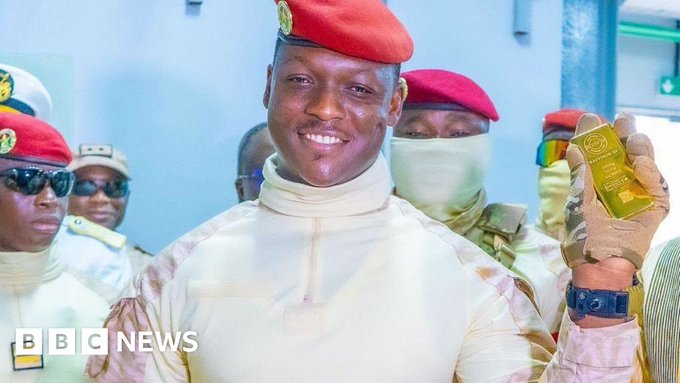
The inauguration of Burkina Faso’s first national gold refinery, RAFFINOR-BF, on 28 September 2026 in Ouagadougou has ignited a vigorous public debate. While President Ibrahim Traoré and his government present the facility as a cornerstone of economic sovereignty, critics are raising pointed questions about whether the country will genuinely retain control over its gold once refined. The refinery, with an initial capacity of 164 tonnes per year and a potential expansion to 515 tonnes, represents an investment exceeding 11 billion CFA francs.
The official narrative: a leap toward economic sovereignty
For the authorities, RAFFINOR-BF symbolises a decisive step in capturing more value from Burkina Faso’s mineral wealth. President Traoré has repeatedly emphasised the goal of mastering the entire value chain within national borders, from extraction to refining. The refinery is designed to process gold locally, reducing reliance on foreign refining capacity and retaining a larger share of the economic benefits.
Beyond the ribbon-cutting: the unresolved question of custody
However, the ceremony has not silenced concerns about where the refined gold will ultimately be stored and who will oversee the various stages between refining, storage, certification, marketing, and financial management of reserves. These questions have become the focal point of a growing controversy, with skeptics questioning whether the refinery truly ensures national control over the precious metal.
The Russian storage agreement: a lingering shadow
At the heart of the debate is an agreement reportedly reached in June 2026 between Burkina Faso and a “Moscow-based bank” to store the country’s gold reserves in Russia. Although the exact terms remain undisclosed, the arrangement has fuelled suspicions that the gold, once refined, will be transferred and stored abroad, outside the direct control of Burkinabè authorities.
Strengthened ties with Moscow: a double-edged sword?
The rapprochement between Ouagadougou and Moscow is undeniable. The two nations have deepened cooperation across multiple sectors, including economic, mining, and energy domains. While this partnership may offer strategic advantages, it also raises uncomfortable questions about the extent to which Burkina Faso’s gold its most valuable resource will remain under foreign influence.
Public reactions: scepticism and calls for transparency
The announcement has sparked a wave of reactions across Burkinabè society. Some view the refinery as a bold assertion of independence, while others accuse the government of misleading the public. The controversy has prompted demands for greater transparency regarding the storage and management of gold reserves. The phrase “a new coloniser?” has circulated in public discourse, reflecting fears that the refinery may simply facilitate a different form of external control.
What next for Burkina Faso’s gold?
As RAFFINOR-BF begins operations, the key question remains: will the refinery genuinely serve the interests of the Burkinabè people, or will it become a conduit for foreign powers to access the nation’s wealth? The coming months will be crucial in determining whether the promises of sovereignty translate into tangible benefits or remain a symbolic gesture overshadowed by geopolitical realities.
By Ramatou Soumana — Reporter