In a strategic move to address the deepening challenges facing Mali’s education sector, authorities in Bamako have launched fresh negotiations with the World Bank to secure enhanced support. The collaboration targets key obstacles such as widespread insecurity, mass displacement of communities, and chronic resource shortages that have crippled educational progress across the nation.
key discussions on human capital development
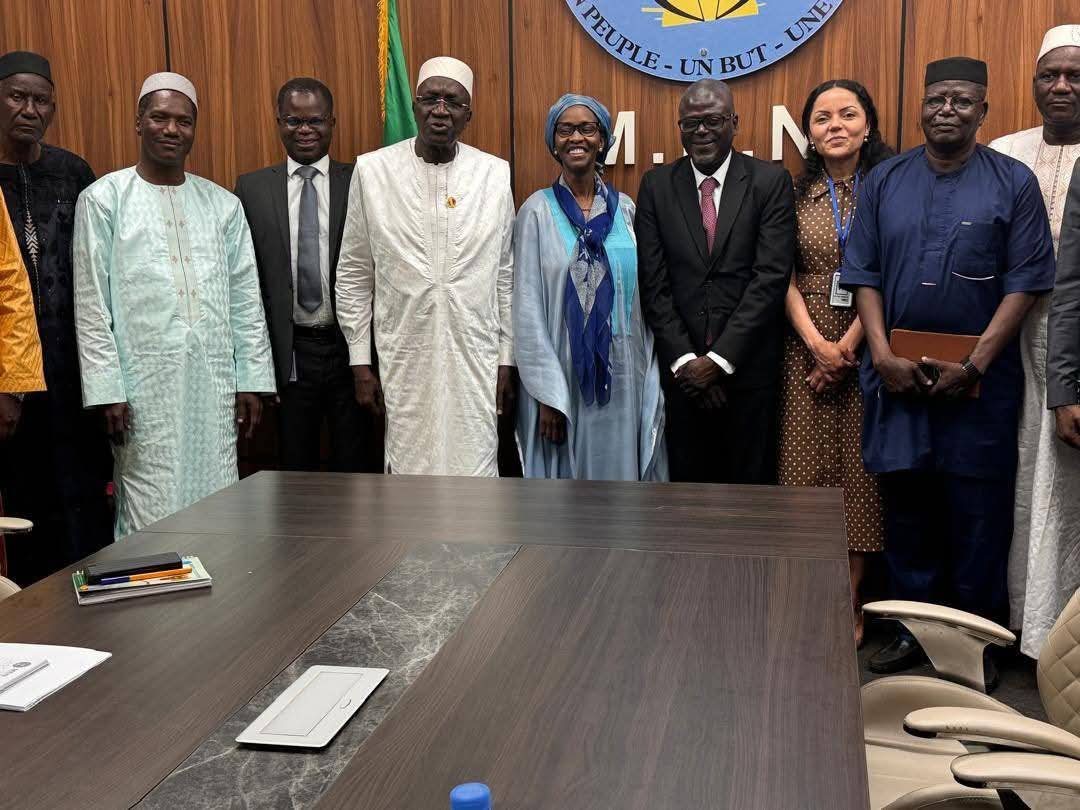
On June 1st, Mali’s Minister of National Education, Amadou Sy Savané, convened with a high-level delegation from the World Bank, led by Awa Cissé Wagué, in the capital city. The talks centered on concrete initiatives designed to bolster human capital and elevate educational outcomes, aligning with broader national development goals.
The World Bank’s renewed commitment extends beyond education, encompassing critical sectors like rural electrification and agricultural modernization. This integrated approach underscores the institution’s confidence in Mali’s long-term growth potential.
unprecedented funding for vital sectors
Mali’s partnership with the World Bank is not new. In March 2026, the institution approved a historic $150 million grant through the International Development Association (IDA) to safeguard essential services in health and education. The funding, aimed at sustaining learning continuity for over a million students, focuses on critical interventions such as school enrollment drives, streamlined national examinations, and upgraded classroom infrastructure.
education under siege: the cost of insecurity
Despite these efforts, Mali’s education system remains under severe strain due to escalating security threats in multiple regions. School closures, mass evacuations, and restricted access to learning have eroded academic performance, leaving countless children without viable educational pathways. The ongoing crisis has forced families to abandon their homes, disrupting generations of students and stalling socioeconomic progress.
roadmap for recovery and growth
With preliminary agreements in place, both parties are now finalizing the frameworks for new projects, including financing mechanisms and implementation timelines. For Bamako, this collaboration represents more than financial aid—it is a lifeline to restore stability and resilience in a sector deemed vital for Mali’s future prosperity.