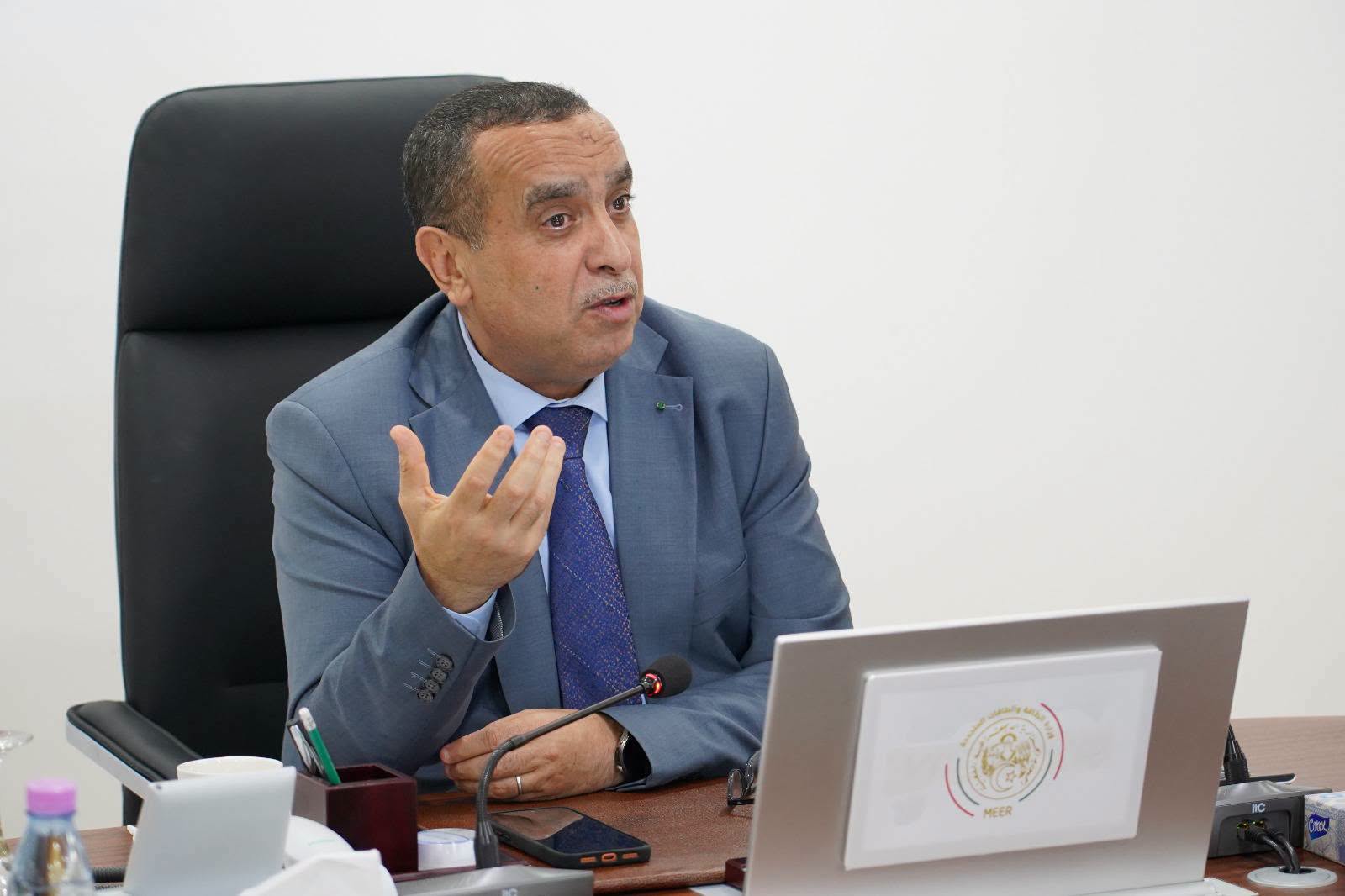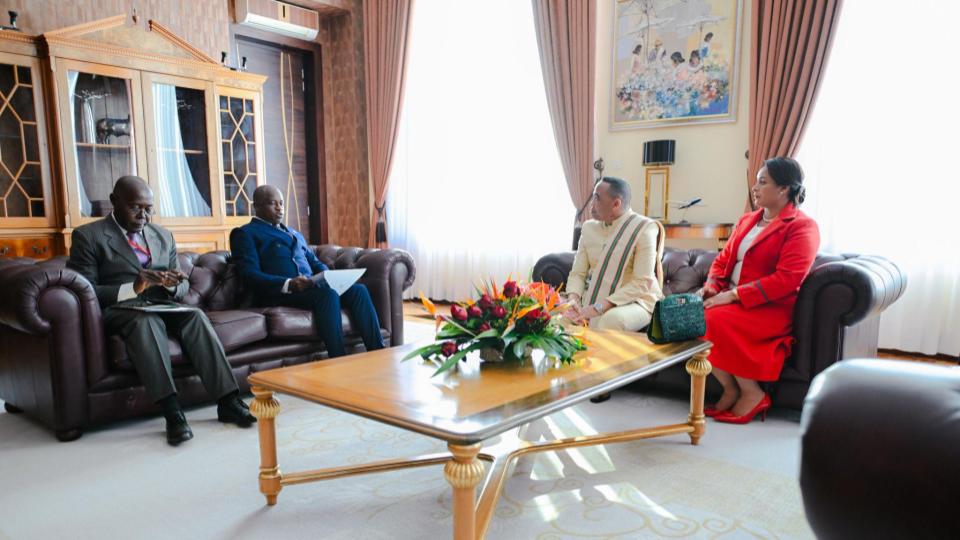
On Friday, July 10, 2026, a significant diplomatic event unfolded at the Palais de la Marina, where President Romuald Wadagni formally welcomed thirteen newly accredited ambassadors to Bénin. This pivotal ceremony marks their official assumption of duties and their engagement with Béninese authorities.

TABLE OF CONTENTS
Diplomacy took center stage on the presidential agenda in Cotonou this Friday. The head of state successively received thirteen new diplomatic representatives who are now poised to undertake their missions in the Republic of Bénin. During these receptions, each ambassador presented their letters of credence, the official document by which their respective nations accredit them to the Béninese president.
This essential protocolary step is fundamental in international relations. It formally acknowledges the ambassador by the host state, empowering them to fully execute their mandate of representation, dialogue, and cooperation with Béninese authorities.
The diverse group of diplomats represents thirteen countries: Mauritania, Thailand, Pakistan, Nigeria, Ghana, Vietnam, India, the United Kingdom, Cuba, Algeria, Israel, Saudi Arabia, and Chad.
A Crucial Diplomatic Sequence at the Marina
Each ambassador, in turn, was received by Romuald Wadagni to present the official documents from their respective governments. This ceremony underscores the regular functioning of bilateral relations between Bénin and its international partners.
Through this series of presentations of Bénin diplomatic credentials, Cotonou officially inaugurates new diplomatic interlocutors from various global regions. This also initiates a fresh phase of collaboration between the Béninese government and these nations, focusing on areas such as cooperation, political dialogue, economic ties, security, and development. This event highlights Bénin’s proactive approach to African politics and its commitment to strengthening its position in the global economy.
This sequence occurs as Bénin actively pursues the reinforcement of its external relations, engaging robustly with its African partners, as well as with countries across Asia, Europe, the Middle East, and the Americas. Such initiatives are vital for pan-African journalism and for disseminating Africa news to a wider audience, showcasing the continent’s dynamic diplomatic landscape.