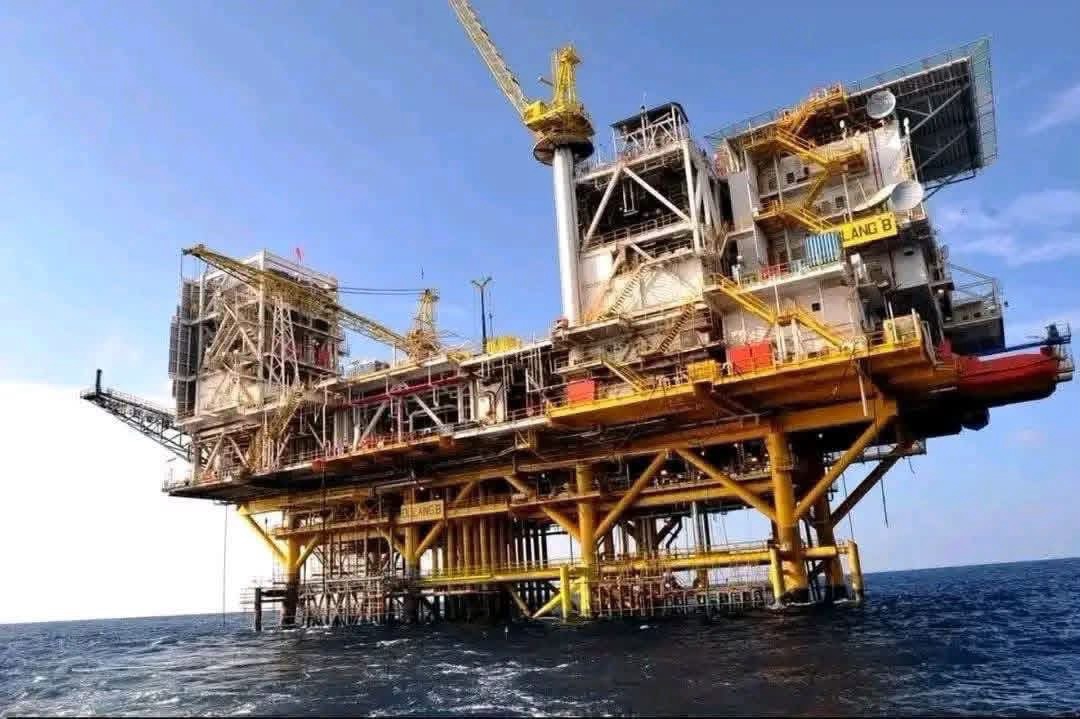
Revival of a dormant giant
Benin has made a historic breakthrough in its energy sector by resuming crude oil exports after nearly 30 years of inactivity. The first shipment of approximately 330,000 barrels from the offshore Sèmè field has been dispatched to international markets, marking a decisive moment in the country’s economic trajectory.
The vessel Kriti Jade, responsible for transporting this cargo, is en route to Rotterdam, Netherlands, with an expected arrival date set for November 18, 2026. This event not only signals the end of decades of stalled production but also represents a strategic re-entry into the global oil trade.
From hibernation to action
The journey from a dormant oil field to a commercially viable asset has been years in the making. The Sèmè offshore field, discovered in 1982, began production in the same year, contributing modestly to Benin’s economy for nearly two decades before operations were suspended in 1998. The shutdown resulted from declining output, technical hurdles, and shifting economic conditions that made extraction unviable at the time.
In 2026, a comprehensive rehabilitation effort led by Akrake Petroleum Benin rejuvenated the field, enabling the first barrel to be pumped in the first quarter. This revival has transformed Sèmè from a relic of the past into a cornerstone of Benin’s economic diversification strategy.
A strategic resource with far-reaching implications
The resumption of oil production offers Benin more than just a new revenue stream it provides a buffer against volatile global energy prices and reduces reliance on imports for refined petroleum products. However, the benefits depend on multiple factors, including production volumes, international crude prices, and the terms of the production-sharing agreements.
The government faces the critical task of ensuring that revenue from oil exports is allocated efficiently. Transparency in financial flows and equitable distribution of profits will be essential to assess the true economic impact. While Benin may not become a major oil power, the sector could significantly bolster the country’s financial resilience if managed effectively.
Catalyzing secondary industries and job creation
Beyond the direct proceeds from oil sales, the revitalization of Sèmè could stimulate several allied sectors. Offshore operations often create ripple effects in maritime logistics, industrial maintenance, engineering, transportation, and local subcontracting. These activities present opportunities for skilled employment and the development of technical expertise within Benin’s workforce.
To maximize local benefits, the government must prioritize content localization, ensuring that Beninese companies especially small and medium-sized enterprises can participate in supply chains. Investments in technical training and knowledge transfer will be crucial for building a sustainable energy services ecosystem and reducing dependence on foreign expertise.
Infrastructure dilemma: exporting raw crude vs. refining at home
A key distinction must be made clear: exporting crude oil does not equate to a domestic supply of refined fuels. The oil extracted from Sèmè is a raw material destined for international markets, not gasoline or diesel for local consumption. Without a functional refinery, Benin will continue to import refined petroleum products to meet internal demand a scenario that does not diminish the strategic value of the new export capacity.
Long-term considerations may explore the feasibility of building refining infrastructure. Such a project would require assessments of production volumes, crude quality, domestic demand, investment costs, and economic viability. The potential to capture additional value by refining locally could strengthen Benin’s industrial base and create even more jobs.
Environmental and operational challenges ahead
Sustaining oil production from Sèmè presents significant operational and environmental challenges. Offshore drilling demands continuous investment in safety protocols, technical oversight, and environmental safeguards to protect marine ecosystems. The risk of spills, equipment failure, or operational lapses requires constant vigilance.
Equally critical is the long-term productivity of the field. Initial success must be followed by consistent output, efficient logistics, and cost-effective production to ensure economic viability. The true test of this project will be its ability to deliver sustainable returns over time, rather than being a short-lived boom.
Building a future rooted in accountability
The success of Benin’s oil sector will ultimately hinge on governance and transparency. Regular disclosure of production data, revenue flows, and expenditure plans will foster public trust and enable citizens to hold authorities accountable. The revenue generated must be channeled into productive investments such as infrastructure, education, health, and renewable energy rather than being squandered on unsustainable projects.
For Benin, the revival of Sèmè represents more than a commercial milestone. It is a turning point that could redefine the nation’s economic narrative. The challenge now is to transform this newfound resource into enduring prosperity, ensuring that the benefits extend beyond the oil sector and reach every citizen.
By Yacouba Boukari — Journalist