Boko Haram’s digital edge: how ai powers terrorist operations

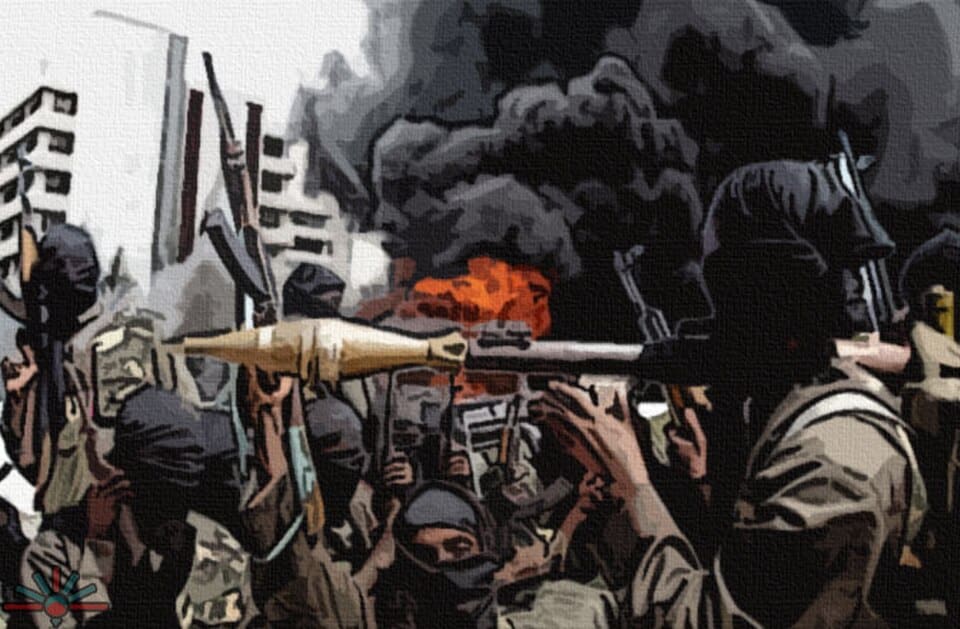
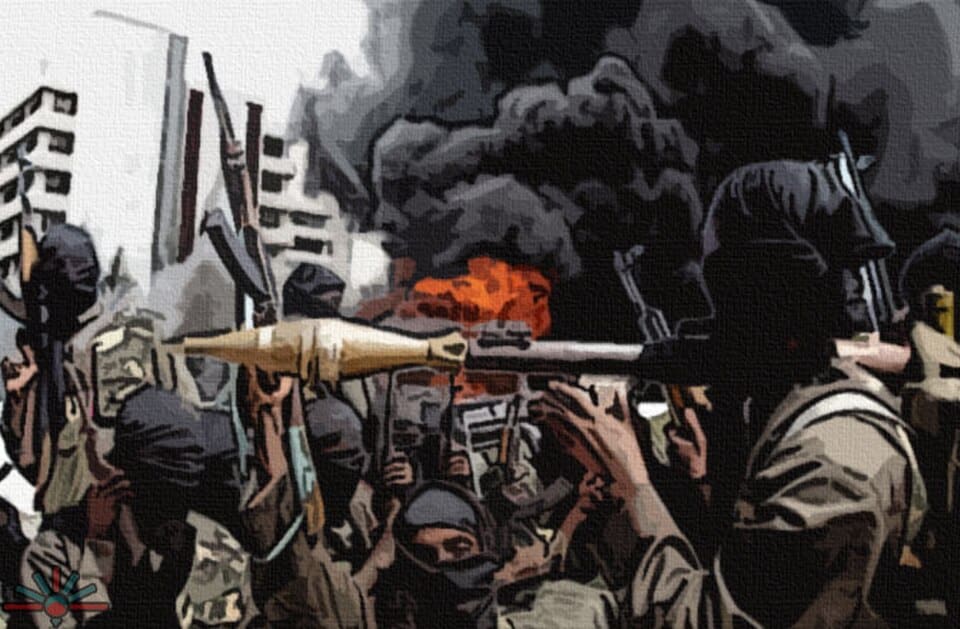
An in-depth investigation, drawing on firsthand accounts from former Boko Haram members, reveals that the jihadist group is actively leveraging chatbots and generative AI models. These advanced tools are being deployed to meticulously plan attacks, troubleshoot technical challenges, and significantly enhance their overall operational capabilities. This alarming development fundamentally alters traditional counter-terrorism strategies and presents an unprecedented challenge to both sovereign nations and leading digital technology companies.
Artificial intelligence: a crucial operational assistant for Boko Haram
For many years, terrorism experts voiced concerns that jihadist organizations would eventually integrate artificial intelligence tools into their operations. This hypothetical threat is now substantiated by concrete evidence gathered directly from the field, marking a critical turning point in African politics and security.
A comprehensive study led by Antonia Juelich, a researcher affiliated with the Cambridge Programme on AI Science and Policy (CASP), is based on dozens of interviews conducted with former Boko Haram operatives. The report definitively shows that certain factions within the group have been utilizing generative artificial intelligence tools since 2023, merely months after the public introduction of platforms like ChatGPT. This highlights a rapid adoption of cutting-edge technology within a prominent African terror group.
According to these testimonies, AI’s role extends far beyond mere propaganda generation or text composition. It is actively integrated into various phases of their operations. Fighters consult conversational AI models for detailed technical explanations, to resolve complex field issues, and to refine specific procedures related to the preparation and execution of their actions.
One former member interviewed asserted that combatants perceive these tools as virtually boundless sources of knowledge, capable of addressing almost any query they might have. This perception significantly bolsters their confidence in employing these technologies, even when the provided responses might contain inaccuracies or be incomplete.
Researchers, however, emphasize that artificial intelligence does not supplant human expertise. Instead, it functions more as a digital advisor, streamlining information retrieval and enhancing decision-making processes. The collected accounts indicate that these AI tools are consulted before an operation, during its planning stages, and even post-execution to analyze any errors or shortcomings. This is critical Africa news for security analysts.
This evolution marks a major paradigm shift. Previously, studies on digital terrorism primarily focused on online propaganda, recruitment, or radicalization. These new observations demonstrate that generative AI is now deeply embedded in the day-to-day operational framework of an active terrorist organization, impacting the entire continent press landscape.
A threat extending far beyond Boko Haram’s specific case
The findings of this research are a cause for significant concern among counter-terrorism specialists, reaching far beyond Nigeria’s borders.
Boko Haram, established in 2002 and responsible for thousands of fatalities across Nigeria, Cameroon, Niger, and Chad, is likely not an isolated incident. Researchers anticipate that other armed groups will follow a similar trajectory as artificial intelligence models continue to advance in performance and become more widely accessible across Africa.
Experts nonetheless highlight that current AI capabilities still possess notable limitations. Models can generate errors, fabricate information, or provide technically incorrect responses. Despite these imperfections, they already significantly reduce the time required for information gathering and solving practical problems.
The widespread availability of generative models fundamentally alters the nature of this threat. Unlike specialized software or sophisticated military equipment, these tools are accessible via a basic computer or an internet-connected phone. They offer assistance capabilities that were once exclusive to highly trained experts or demanded extensive documentary research.
For researchers, this reality also necessitates a re-evaluation of security policies for companies developing these AI models. While filtering mechanisms already block explicit requests related to weapons or explosives, malicious users are constantly seeking ways to circumvent these safeguards through rephrased queries or successive prompts.
The report ultimately emphasizes that intelligence agencies must now integrate artificial intelligence into their assessments of terrorist groups’ operational capacities. The focus must expand beyond merely observing their communication networks or funding streams to include their ability to exploit the most advanced civilian technologies.
A technological race demanding adaptive responses from democracies
The Boko Haram situation exemplifies a broader trend observed in international security. Digital innovations are disseminating at an unprecedented pace, and their adoption is no longer confined solely to states or large corporations. This is a crucial aspect of Africa news and global security.
Terrorism specialists note that armed groups typically adopt new technologies based on their practical utility rather than their innovative nature. While artificial intelligence doesn’t inherently transform their military capabilities, it undeniably saves them time, facilitates easier access to specialized knowledge, and enhances the efficiency of their internal processes.
In response to this evolving landscape, governments must strengthen collaboration among intelligence services, academic researchers, and specialized artificial intelligence companies. The primary objective will be to gain a deeper understanding of how terrorist organizations are genuinely utilizing these tools, to anticipate potential misuse, and to develop more robust protective mechanisms. This cooperative approach is vital for effective African politics English security strategies.
The study on Boko Haram thus stands as one of the first documented demonstrations of generative artificial intelligence’s integration within an active terrorist organization. It confirms that the AI revolution is not only transforming economies and daily life but is also emerging as a significant new challenge for international security across the continent.