Billet de blog
Senegal’s constitutional reforms amid Pastef party split
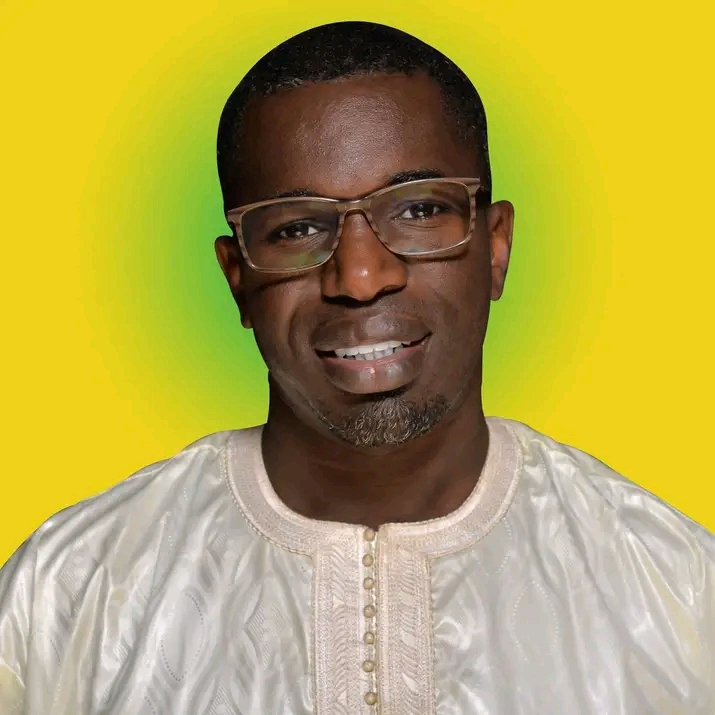
Senior Pastef-Les Patriotes official Madièye MBODJ examines Senegal’s ongoing constitutional revision process, framed by internal party divisions and the establishment of a new political entity by President Diomaye Faye, marking a clear break from his predecessor Ousmane Sonko and the original party structure.
Senegal stands at a constitutional crossroads as the government advances a major reform agenda while facing unprecedented internal political turbulence. The proposed changes to the national charter come at a particularly delicate moment, coinciding with profound fractures within the ruling party that have reshaped the country’s political landscape.
Constitutional revision: A strategic necessity or political gamble?
At the heart of the debate lies the government’s argument that constitutional modernization is essential for Senegal’s development. Proponents of the reforms point to perceived inefficiencies in the current system, suggesting that structural adjustments could enhance governance and accelerate economic growth. The proposed text includes provisions for term limits, institutional checks, and expanded presidential powers, though critics warn these changes could concentrate authority in ways that undermine democratic safeguards.
The timing of these reforms has intensified scrutiny, particularly as they unfold against the backdrop of internal party discord. The creation of a new political formation by President Faye represents more than a simple party realignment—it signifies a fundamental reconfiguration of Senegal’s political power dynamics, with potential consequences for the constitutional reform process itself.
Pastef’s internal fracture: Implications for reform
The division within Pastef-Les Patriotes, once a unified political force championing democratic renewal, has introduced new variables into the constitutional equation. The emergence of a breakaway faction led by President Faye has raised critical questions about the party’s future direction and its ability to maintain cohesion around shared policy objectives.
Senior party official Madièye MBODJ has emerged as a key voice in this internal dialogue, offering a nuanced perspective on the challenges facing the reform process. His analysis highlights the tension between maintaining party unity and accommodating the new political realities created by the split. The question now is whether Pastef can reconcile these competing priorities while advancing the constitutional agenda that was originally a cornerstone of its platform.
Preserving the reform agenda: Challenges ahead
The constitutional revision process faces significant headwinds as political fragmentation complicates consensus-building. The government’s ability to navigate these challenges will depend on several factors: securing broad-based support for the reforms, managing internal party dynamics, and maintaining public confidence in the process.
Critics argue that the reforms risk being perceived as tools for consolidating power rather than instruments for democratic renewal. This perspective is amplified by the timing of the changes, which coincide with the establishment of a new political entity that some view as a strategic move to sidestep traditional party structures.
As Senegal moves forward with its constitutional reforms, the country stands at a pivotal moment in its democratic journey. The outcome of this process could reshape the nation’s political landscape for years to come, determining whether the reforms serve the broader public interest or become entangled in the complexities of party politics.
What’s next for Senegal’s political landscape?
The coming months will be decisive in determining how these competing forces interact. Will the government succeed in building a broad coalition to support its constitutional vision? Can Pastef-Les Patriotes overcome its internal divisions to present a unified front? The answers to these questions will shape not only the reform process but Senegal’s democratic future itself.