Algeria signals economic pivot at Cotonou’s 2026 investment summit
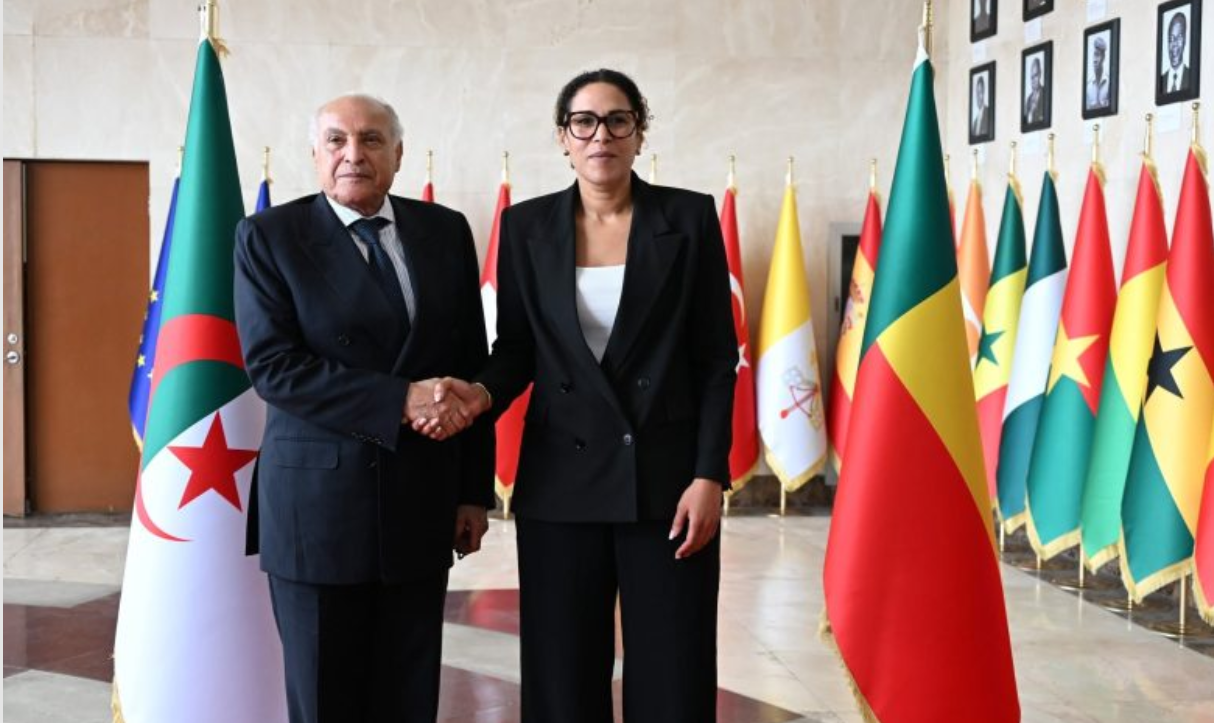
Algeria deployed a high-powered delegation to the Benin Deal Room 2026 in Cotonou last month, sending a clear message that it is shifting from diplomatic posturing to concrete commercial partnerships across West Africa. The three-day forum, championed by Benin’s government, positioned Cotonou as a regional gateway to over $2bn in blended financing requests spanning agro-industry, renewable energy and heavy infrastructure. Yet the Algerian presence also spotlighted a stubborn contradiction at the heart of Africa’s integration drive: closed borders within the same regional bloc.
Cotonou hosts West Africa’s deal-making stage
The Benin Deal Room 2026, held 16–18 September, opened its doors to institutional investors, development financiers, start-ups and state-backed enterprises hungry for bankable opportunities. More than twenty projects with ticket sizes between $100m and $200m each were on the table, covering everything from agro-processing parks to solar mini-grids. The Algerian delegation—led by top brass from Saidal Pharmaceuticals, Sonelgaz’s SAIEG subsidiary and Sonatrach—was one of the most visible, signaling a strategic pivot toward building durable industrial footholds rather than relying on traditional export routes.
From politics to Pan-African industrial alliances
Historically, Algeria’s Africa policy favored security cooperation and mediation. The Cotonou gathering marked a deliberate pivot: economic diplomacy is now front and center. Algerian executives see immediate openings in three sectors. First, pharmaceuticals: Saidal already supplies 40 percent of domestic demand and is eyeing contract manufacturing or joint ventures to meet West Africa’s chronic drug shortages. Second, energy: Sonelgaz’s expertise in grid management, gas distribution and utility-scale solar could plug the region’s 600-million-person energy deficit. Finally, transport and logistics: leveraging Algeria’s geographic depth to revive the Algiers–Lagos corridor and the Trans-Saharan Gas Pipeline could relink North and West Africa once border restrictions ease.
Niger-Benin border closure: the cooperation paradox
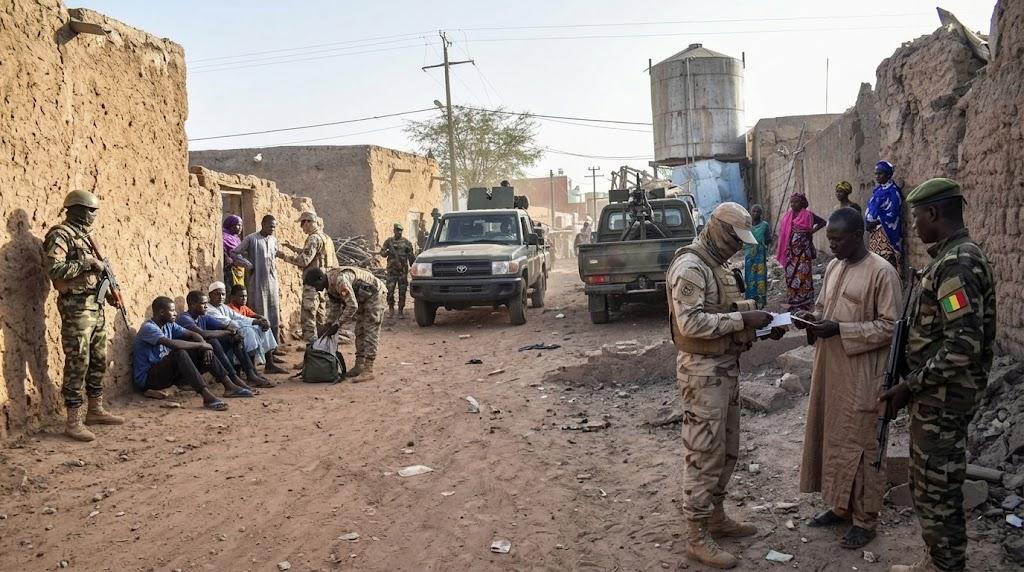
Despite Algeria’s expanding footprint in Niger—where Sonatrach launched oil-block drilling in August and construction on the Trans-Saharan Gas Pipeline began in June—the land border with Benin remains shut. A 2023 coup in Niamey triggered the closure, which has since inflated transit costs for Niger-bound cargo leaving Cotonou and slowed cross-border trade corridors used by Burkina Faso and Mali. Talks between Niamey and Cotonou have produced partial agreements on customs, transit fees and joint patrols, but no firm reopening date has been published. The impasse turns a bilateral spat into a regional liability, squeezing supply chains and discouraging long-term industrial planning.
Closed borders vs. Algeria’s continental ambitions
For Algeria, the stakes are high. Its stated goal is to move from selling goods to building integrated value chains. A functional Algiers–Lagos road, a revived trans-Saharan pipeline and regional power interconnectors would physically underpin that vision. Yet without reliable transit corridors, even the best-laid industrial alliances risk stalling. The paradox is plain: Africa’s largest economies are courting foreign capital while some of their own borders remain sealed, undermining the very integration projects they champion.
What Cotonou’s deal room signals for African ownership
The Algerian delegation’s presence underscores a new trend: intra-African capital flows are beginning to rival traditional donor inflows. Instead of relying on grants or soft loans, African firms—including Algerian state champions—are shopping for minority stakes in local ventures, co-financing infrastructure and embedding technology transfer agreements. Benin gains capital; Algeria secures markets; Niger offers energy resources. The missing piece is predictable transit. Until Niamey and Cotonou restore cross-border movement, Africa’s integration story will remain half-written.
Algeria’s moment to walk the talk on African integration
Cotonou 2026 has given Algeria its first real test: converting conference-room handshakes into signed contracts, pilot plants and operational partnerships. The country now sits at a crossroads. It can deepen industrial cooperation with Benin through direct investment, while simultaneously pressing Niamey to finalize a border-reopening roadmap that also benefits Burkina Faso and Mali. The message is unambiguous: Africa’s future will be built inside its borders—or not at all.