Amid unanswered questions, Malian army acknowledges civilian casualties in troubled operation
The Malian military has officially acknowledged a tragic incident resulting in deaths and injuries during a military operation, yet the statement falls far short of providing critical details. Released on October 14, 2026, the brief communiqué from the General Staff of the Malian Armed Forces confirms human losses but omits essential information: the exact location, date, number of victims, or circumstances surrounding the event.
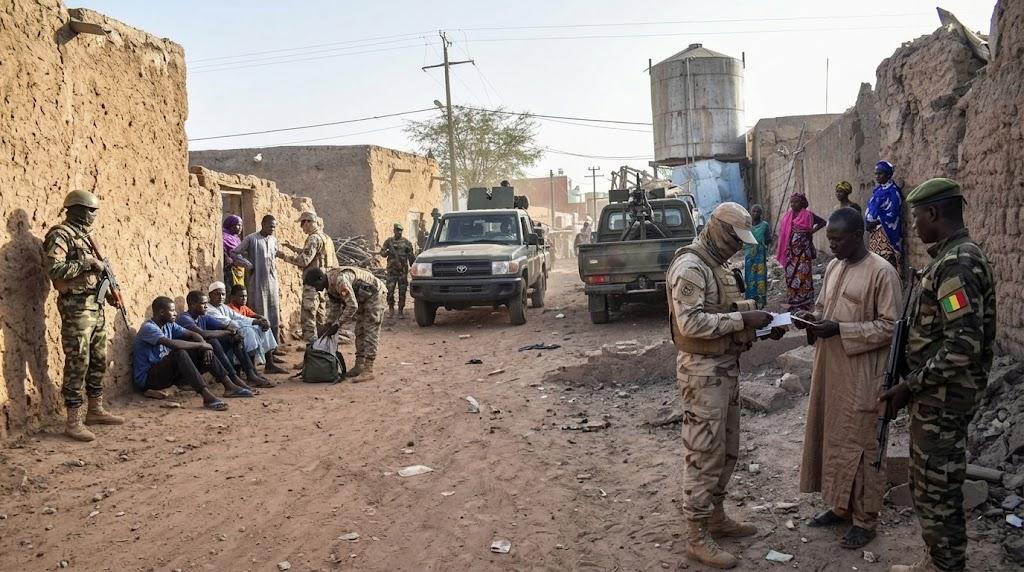
According to the administrative details included, the individuals involved were reportedly traveling on high-powered motorcycles between two settlements. However, no verification or follow-up has been provided to clarify the nature or legitimacy of their movement—leaving communities and observers questioning whether this was a targeted operation, a tragic error, or something in between.
Zanakoro emerges as a flashpoint in rising civilian toll
The statement arrives just days after reports emerged of a deadly airstrike in Zanakoro, a village in the Ségou region. Local testimonies, supported by community leaders and displaced residents, indicate that at least eight people were killed—including women, children, and a pregnant woman—during a raid that occurred shortly after a community baptism ceremony. Another ten individuals suffered severe injuries. Some accounts suggest the death toll could be even higher.
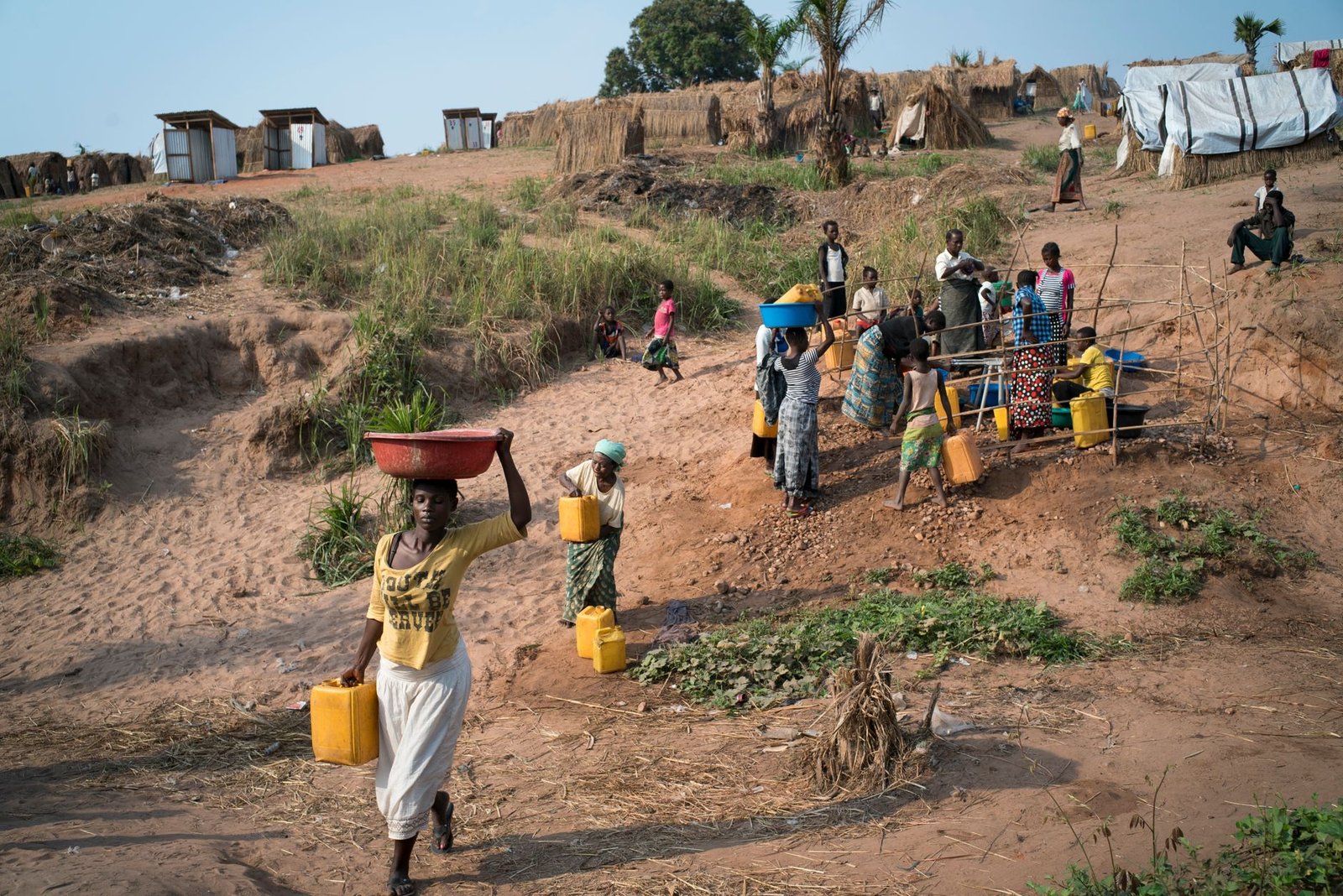
Witnesses describe multiple rounds of bombardment, damaged homes, and mass displacement into nearby bushland and neighboring villages. While the timing and location align with the timeline of the army’s acknowledgment, the military has not explicitly confirmed a link to Zanakoro, nor provided a full casualty list or investigation timeline.
This silence—combined with the lack of detailed casualty data—risks deepening public mistrust and obscuring the truth. Families of the victims, now scattered and traumatized, demand clarity: Who were the targets? Were they civilians? Why has accountability been delayed?
Decades of documented abuses cast long shadow over military operations
The current crisis is not isolated. For years, human rights organizations have documented serious violations linked to Malian military operations, particularly those involving Russian-backed forces. A report released in late September 2026 by a major international body identified at least seven incidents between June 2023 and December 2025, resulting in 34 civilian deaths—many through extrajudicial killings, torture, and arson.
Among the most affected communities are the Fulani, Tuareg, and Arab populations. The report highlights cases where individuals were targeted based on uncorroborated suspicions of collaboration with armed groups—raising grave concerns about indiscriminate violence and collective punishment.
These findings echo previous allegations and underscore a persistent pattern: despite changes in foreign support—from Wagner to the Africa Corps—reports of human rights violations continue unabated. In July 2026, another incident in the village of Kyrnia, Mopti region, saw eight civilians killed, including three children, in an airstrike attributed to Africa Corps. While jihadist presence was noted in the area, witnesses and investigators questioned whether the targets were clearly identified or whether the attack was indiscriminate.
From rhetoric to responsibility: the imperative of credible investigations
The Malian government and its military partners face mounting pressure to demonstrate that counterterrorism operations adhere to international humanitarian law. The principle of distinction—ensuring civilians are not targeted—is not negotiable. Yet repeated violations and delayed accountability risk eroding public faith in state institutions and fueling further instability.
When civilian lives are lost, authorities must act swiftly:
- Establish the full truth: Where, when, and why did the incident occur?
- Acknowledge victims by name: families deserve recognition and closure.
- Launch independent inquiries: ensure impartiality and accountability.
- Provide reparations: when violations are confirmed, victims and affected communities must receive support.
The army’s acknowledgment of casualties marks a potential turning point—but only if it leads to action, transparency, and justice. Without these, the cycle of suspicion and impunity will only intensify.
Civilian safety at a crossroads: why Mali cannot afford another shadow operation
The humanitarian cost of vague military statements is immeasurable. Each unconfirmed death, each missing inquiry, and each delayed response chips away at trust in the authorities charged with protecting civilians.
Groups like the Jama’at Nusrat al-Islam wal Muslimeen (JNIM) pose a real threat, and security forces have a duty to respond. But that duty does not include violating the very rights they claim to defend. The international community and Malian civil society are watching. They demand not just words, but results.
As long as accountability remains elusive, the shadow of abuses will continue to loom over every military operation—and over Mali’s fragile path toward stability.