Major breakthrough in Ivory Coast’s electoral reform stirs political landscape
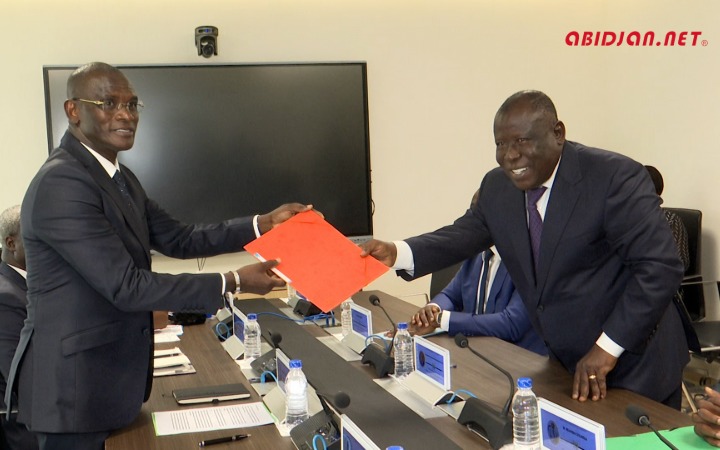
In a decisive move that signals a turning point for democratic processes in Ivory Coast, the ruling RHDP coalition has submitted groundbreaking proposals for a new independent electoral authority to the Interior Ministry. This strategic submission comes at a critical juncture when public trust in electoral integrity has never been more vital for the nation’s stability.
What the proposed electoral authority reforms entail
The RHDP’s proposals represent more than procedural adjustments—they embody a fundamental reshaping of Ivory Coast’s electoral framework. Key components include:
- Independent oversight: Creation of an autonomous body with no government interference, designed to ensure impartiality in voter registration and election administration
- Technological integration: Implementation of advanced digital systems to modernize voter rolls, reduce fraud risks, and accelerate results processing
- Independent verification: Establishment of transparent audit mechanisms to certify election outcomes before official declarations
- Citizen participation: Strengthened mechanisms for civil society and opposition stakeholders to observe and challenge procedures at every stage
The reforms target the persistent concerns that have undermined electoral credibility in previous cycles, particularly regarding voter registration accuracy and dispute resolution timelines.
Why this proposal could mark a watershed moment for Ivory Coast
This initiative arrives when Ivory Coast faces both unprecedented opportunity and vulnerability. The nation stands at a crossroads where past electoral controversies could either continue to erode public confidence or be decisively addressed through these structural changes.
International observers have consistently noted that electoral integrity is foundational to sustained economic growth and social cohesion in emerging democracies. By prioritizing these reforms, the RHDP coalition demonstrates recognition that the new electoral authority isn’t merely about compliance with election laws—it represents Ivory Coast’s commitment to building a future where every vote counts equally.
Political analysts suggest this proposal could reshape the 2026 electoral landscape entirely, particularly by addressing the long-standing grievances that have fueled political tensions in recent cycles.
Challenges ahead: From proposal to implementation
While the submission of these proposals constitutes a significant milestone, several hurdles remain before the reforms can translate into tangible improvements:
- Bipartisan consensus: Ensuring opposition parties endorse and participate in the new authority’s governance structure
- Logistical preparation: Training thousands of new electoral officials and deploying secure systems nationwide
- Public awareness: Educating citizens about their rights and the new procedures to maximize participation
- Legal framework: Fast-tracking parliamentary approval of constitutional amendments required to establish the independent body
The Interior Ministry now faces intense scrutiny over how swiftly it can transform these proposals into operational reality before upcoming electoral cycles begin.
Public reaction: From skepticism to cautious optimism
The announcement has elicited a spectrum of responses across Ivory Coast’s political spectrum. While some opposition leaders cautiously welcome any movement toward transparency, others demand to see concrete evidence of change rather than rhetoric about reform.
Civil society organizations have emphasized that the true test will come during pilot phases before full implementation. Voter education campaigns and transparent pilot elections in selected regions could help build the momentum needed for nationwide adoption.
Meanwhile, international partners monitoring Ivory Coast’s democratic progress are watching closely, linking future development support to visible improvements in electoral credibility.
Looking ahead: What this means for Ivory Coast’s democratic trajectory
More than an administrative adjustment, this electoral reform represents Ivory Coast’s boldest attempt at breaking from its troubled electoral past. The success of these proposals could redefine the nation’s political narrative from one of recurring crises to a model of democratic resilience in West Africa.
The coming months will reveal whether this initiative achieves the momentum needed to overcome entrenched opposition and deliver the electoral integrity that Ivorians have long deserved. One thing is certain: Ivory Coast stands at a pivotal juncture where decisive action on electoral reform could determine its trajectory for decades to come.