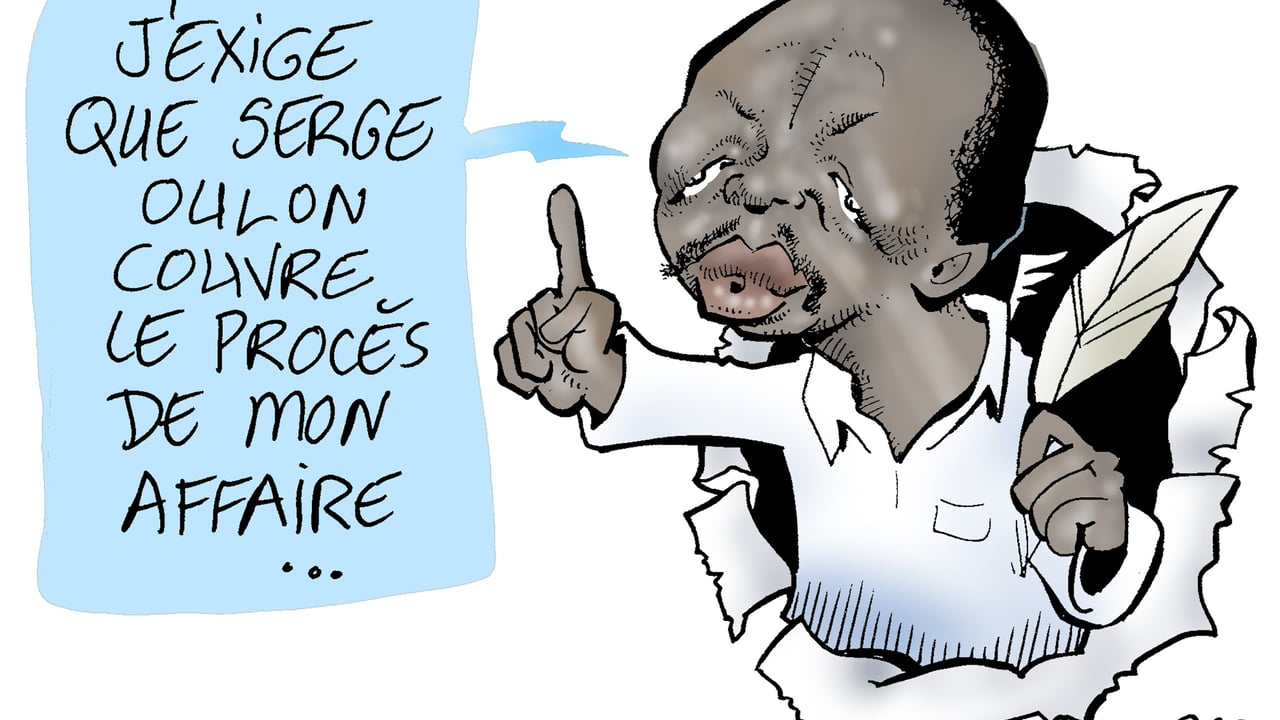
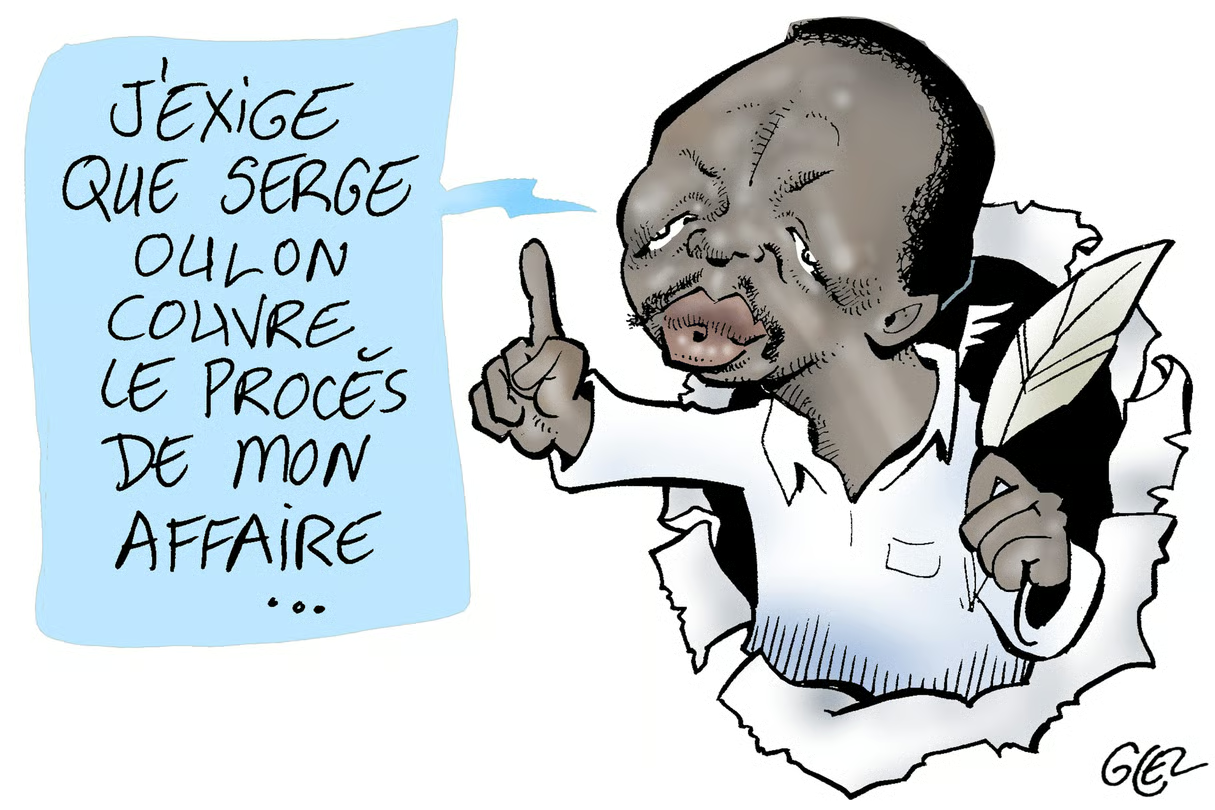
The Burkina Faso judiciary system has reached a critical milestone in its long-awaited proceedings concerning the tragic 1998 murder of investigative journalist Norbert Zongo and three others. Recent procedural steps signal that the case may soon move from stagnation to active trial phase, offering hope to advocates of press freedom across the region.
For nearly three decades, the unresolved killing of Zongo, founder of the independent newspaper L’Indépendant, has stood as a stark symbol of impunity in West Africa. His death sparked widespread outrage and led to mass protests in Ouagadougou, where demonstrators demanded justice and an end to corruption within state institutions. The case has since become a rallying point for journalists and civil society groups demanding accountability for crimes against media professionals.
The journey to this pivotal stage has been fraught with delays and setbacks. Legal obstacles, political interference, and institutional resistance have repeatedly stalled progress. Yet, recent developments suggest that Burkina Faso’s legal apparatus is finally overcoming these hurdles, with judicial authorities now prioritizing the compilation of evidence and witness testimonies. A special investigative commission has been mandated to review the case file, ensuring that all procedural requirements are met before the trial can commence.
Key developments in the judicial process
The most significant advancement has been the formal recognition of the case’s admissibility by the competent court. This decision clears the way for the appointment of a trial panel and the scheduling of preliminary hearings. Legal experts highlight that this step is essential for setting a trial date and ensuring that all parties—including the accused and the victims’ families—are granted their due process rights.
Among the key figures expected to testify are former high-ranking officials and military personnel whose names have surfaced in connection with the case. Their testimonies could provide crucial insights into the circumstances surrounding the deaths, potentially uncovering new evidence or confirming long-held suspicions about the involvement of state actors.
The case has also drawn international attention, with human rights organizations and press freedom advocates closely monitoring developments. The African Union’s human rights commission has previously urged Burkina Faso to expedite proceedings, emphasizing that justice delayed is justice denied. Regional press bodies have echoed this sentiment, warning that prolonged impunity could embolden perpetrators of similar crimes across the continent.
Challenges and expectations
Despite the progress, formidable challenges remain. Witness intimidation and the passage of time pose risks to the integrity of testimonies. Additionally, political shifts within Burkina Faso could either accelerate or hinder the trial’s momentum. The country’s ongoing security crisis and frequent changes in leadership have added layers of complexity to an already delicate legal process.
Yet, the renewed commitment to resolving this case reflects a broader societal demand for accountability. Civil society organizations in Burkina Faso have intensified their advocacy, organizing awareness campaigns and pressuring authorities to uphold the rule of law. Their efforts underscore the case’s significance not only as a quest for justice for Zongo and his companions but also as a test of the judiciary’s independence and the nation’s democratic resilience.
As Burkina Faso stands on the brink of a historic legal reckoning, the eyes of the region—and indeed the world—remain fixed on the courtrooms of Ouagadougou. The outcome of this trial will resonate far beyond national borders, serving as a litmus test for the commitment of African nations to protect press freedom and uphold human rights.