Humanitarian crisis deepens in Sourou as JNIM ultimatum forces mass exodus
The Group for the Support of Islam and Muslims (JNIM) issued a stark 48-hour deadline, ordering residents of three communities within Sourou province to abandon their homes. Confronted by this explicit threat of violent reprisals, the populations of Sia, Konga, and Kwarémenguel embarked on a desperate mass exodus towards perceived safer areas. This latest forced displacement, tragically occurring just before the sacred Tabaski celebration, starkly highlights the persistent and alarming decline in security across the Boucle du Mouhoun region and throughout Burkina Faso.
Chronicle of a forced eviction
This grim sequence of events has become a distressingly common occurrence in Burkina Faso’s regions grappling with intense terrorist pressure. Armed individuals, identifying themselves as members of the JNIM, stormed into the villages of Sia, Konga, and Kwarémenguel. Their communication was brief, unequivocal, and chilling: a 48-hour ultimatum to abandon their dwellings, agricultural lands, and livestock, or face summary executions.
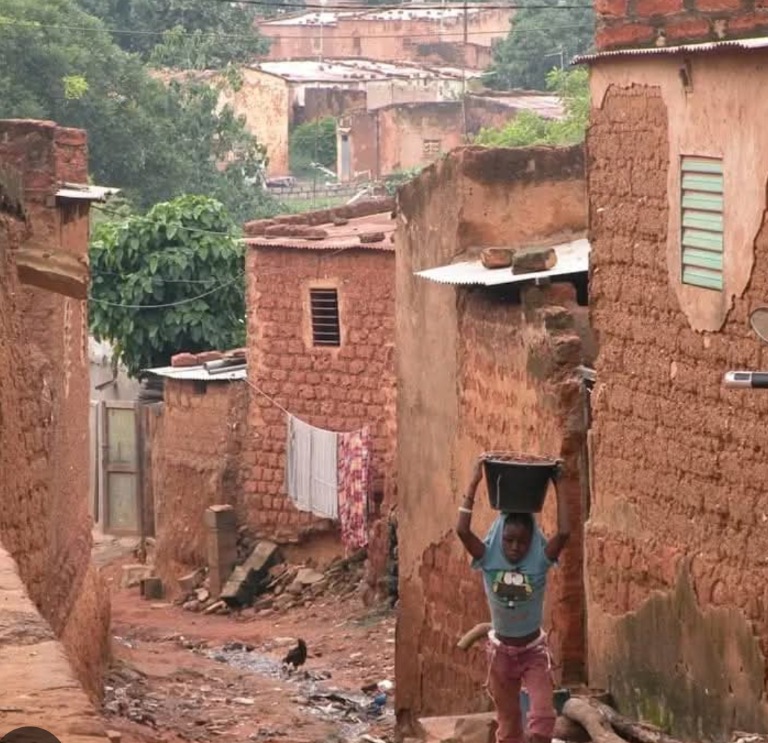
The threat was immediate and undeniable. Faced with the stark reality and their inability to mount an equal defense, an overwhelming sense of dread gripped the communities. Without waiting for the deadline to expire, residents hastily gathered what few belongings they could. The dusty thoroughfares of Sourou province swiftly became desolate scenes, traversed by thousands of civilians stripped of everything they owned in mere hours.
A Tabaski of tears and profound deprivation
For these thousands of displaced individuals, the timing of this assault amplifies the crisis’s horror. This extensive exodus unfolds amidst preparations for Tabaski, the most significant festival for the Muslim community, traditionally a time for family reunions, sharing, and communal celebration. Instead of the joyous anticipation, profound anguish has permeated every household.
The customary rituals – acquiring the sacrificial ram, preparing festive attire for children, and arranging communal meals – have all collapsed in an instant. Families now find themselves on dusty roadsides or huddled in makeshift shelters, stripped of the dignity to observe their faith. For these agrarian and pastoral communities, witnessing their livestock abandoned or plundered by terrorists on the eve of such a pivotal celebration inflicts an economic and psychological trauma of unparalleled brutality. For the people of Sourou, Tabaski 2026 will undoubtedly be a celebration marked by tears and profound deprivation.
The exodus of distress towards urban centers
The flight was executed with absolute urgency. Women carrying infants and meager bundles atop their heads, weary elders guiding weeping children, and overloaded carts — the scenes emerging reveal extreme vulnerability. These internal refugee waves are primarily converging on the region’s major urban centers, notably Tougan or Dédougou, seeking the protection offered by the national Defense and Security Forces (FDS) and the Volunteers for the Defense of the Homeland (VDP).
This sudden influx is already severely straining the reception capacities of these host communities, which are already overwhelmed by previous waves of internally displaced persons. While local solidarity remains robust during this holy period, it is beginning to falter under the sheer weight of numbers.
Sourou, symbol of a terrorist asphyxiation strategy
Sourou province, nestled within the Boucle du Mouhoun region, has endured the oppression of armed terrorist groups for several years. This simultaneous ultimatum against three strategically important villages clearly illustrates the terrorist hydra’s deliberate intent to choke the region, sever communication routes, and establish entirely depopulated no-go zones.
The JNIM’s strategy aims to empty rural areas, thereby weakening the territorial control of the Burkinabè state. By expelling civilians, the insurgents establish buffer zones where they can move unimpeded and orchestrate assaults against military installations. For Burkina Faso, the erosion of control over these vital agricultural areas represents a severe setback, exacerbating the already simmering food and pastoral crisis across the nation.
The cry of a nation under duress
The unfolding tragedy in Sia, Konga, and Kwarémenguel is far from an isolated incident. It mirrors the daily reality faced by thousands of Burkinabè citizens confronting indiscriminate violence. This alarming security situation underscores the critical need for a comprehensive response, one that integrates intensified military pressure to reclaim territory with dignified humanitarian assistance. As the nation prepares to observe Tabaski amidst profound sorrow, Burkina Faso stands resilient, yet its internal frontiers continue to bleed under the relentless rhythm of terrorist ultimatums.