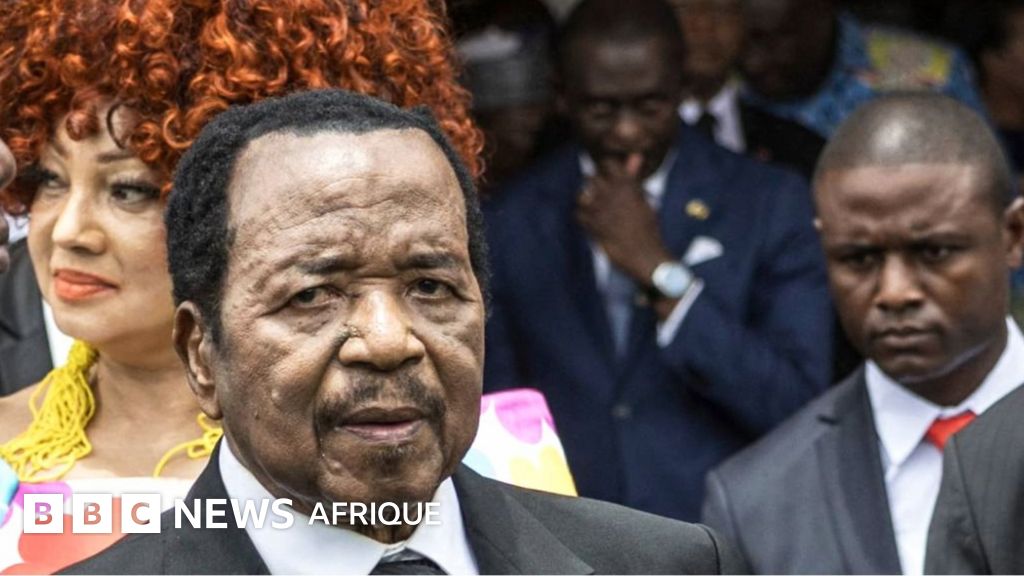
Cameroon’s biya enacts military reshuffle amidst prolonged swiss stay
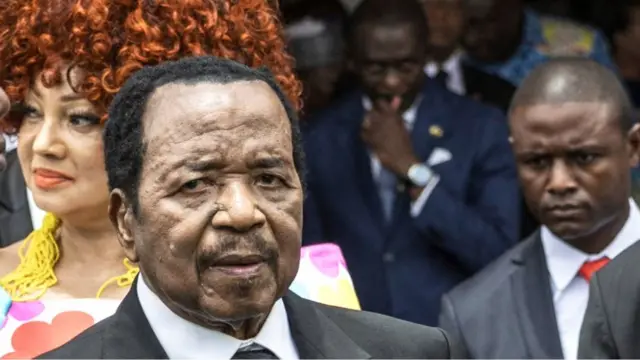
In a significant move for African politics English, Cameroonian leader Paul Biya, a prominent historical figure and the world’s oldest president, has initiated a comprehensive military reshuffle. This action comes as he remains absent from the public eye for nearly two months, fueling growing concerns over his extended stay abroad.
The 93-year-old president has appointed new officials to critical military positions and elevated five colonels to the rank of brigadier general, marking a notable shift within the armed forces.
Such military reorganizations are not uncommon under President Biya’s long-standing administration, particularly during periods of heightened public scrutiny or when the government perceives a need to assert its authority. These strategic adjustments often serve to consolidate power or respond to internal and external pressures.
For instance, three years ago, following an unexpected coup in neighboring Gabon that toppled the Bongo dynasty and sent shockwaves across the continent press, Cameroon swiftly restructured its military command. Similarly, as he sought a controversial eighth term in last year’s presidential election, Biya again reshuffled the military’s top brass. Last June, he further promoted numerous members of the defense and security forces to higher ranks.
The timing and nature of these latest changes have ignited considerable debate, particularly across social media platforms, as citizens and observers discuss the implications for Cameroon’s stability and future.
President Biya issued these separate decrees on Monday from Geneva, Switzerland, where he has been residing since departing Cameroon on June 7 for what his office described as a “brief private stay.”
Within Cameroon, many have voiced criticism regarding the scarcity of information about his activities and the ongoing uncertainty surrounding the duration of his international trip. This lack of transparency has become a focal point of public discontent.
Following last year’s elections, President Biya pledged to appoint a new government, a promise that remains unfulfilled. Moreover, the position of vice-president, established just last April, continues to be vacant, adding to the perception of administrative stagnation.
Despite his nearly 60-day absence from the country, he has signed several other decrees, including authorizations for his government to finalize loan agreements with international financial institutions, demonstrating a continued, albeit remote, engagement with state affairs. This showcases the unique challenges in African economy news when leaders are abroad.
His prolonged absence has inevitably reignited speculation regarding his health condition, although the government has consistently refuted reports suggesting the head of state has been hospitalized. Two years prior, press freedom organizations expressed outrage when it was announced that Cameroonian media were prohibited from reporting on Biya’s health, highlighting concerns for pan-African journalism.
Cameroon’s Communication Minister, René Emmanuel Sadi, affirmed that the president is alive and would soon return to the country. He also dismissed opposition allegations that the nonagenarian leader’s absence constituted a vacancy at the head of state, asserting that Biya continues to carry out his duties from Geneva.
However, Mamadou Mota, Vice-President of the opposition CRM party, maintains that President Biya’s extended absence signifies a “flagrant institutional vacuum” in Cameroon. “Executive power is exercised at the heart of the nation, not through smoke signals or telepathy from hotel suites across the world,” he stated last month, reflecting a sentiment shared by many in the Panafrican Press regarding leadership accountability.
More Stories
Bambali’s hidden play: how Sonko’s 2029 tease reshaped Senegal’s political lens
Behind the Bambali agro-industrial park launch: what Sonko and Mané’s vision reveals about Senegal’s rural transformation
Senegal’s upcoming local elections: what is Diomaye Faye hiding about the 2027 vote?