The recent Ebola case detected in Nigeria has sent shockwaves through Cameroon, where authorities are scrambling to tighten border controls even as public skepticism deepens. With the country already grappling with a devastating cholera outbreak in the Far North, citizens and health experts alike are questioning whether the health system can withstand yet another epidemic.
Residents of Yaoundé express frustration over the government’s preparedness. Aurélien Ngouffo, an agronomist, voices a shared concern: “How do we stop border crossings when human movement is almost impossible to control? Only divine intervention can save us now,” he laments. The sentiment reflects growing public anxiety as Ebola looms closer to Cameroon’s doorstep.
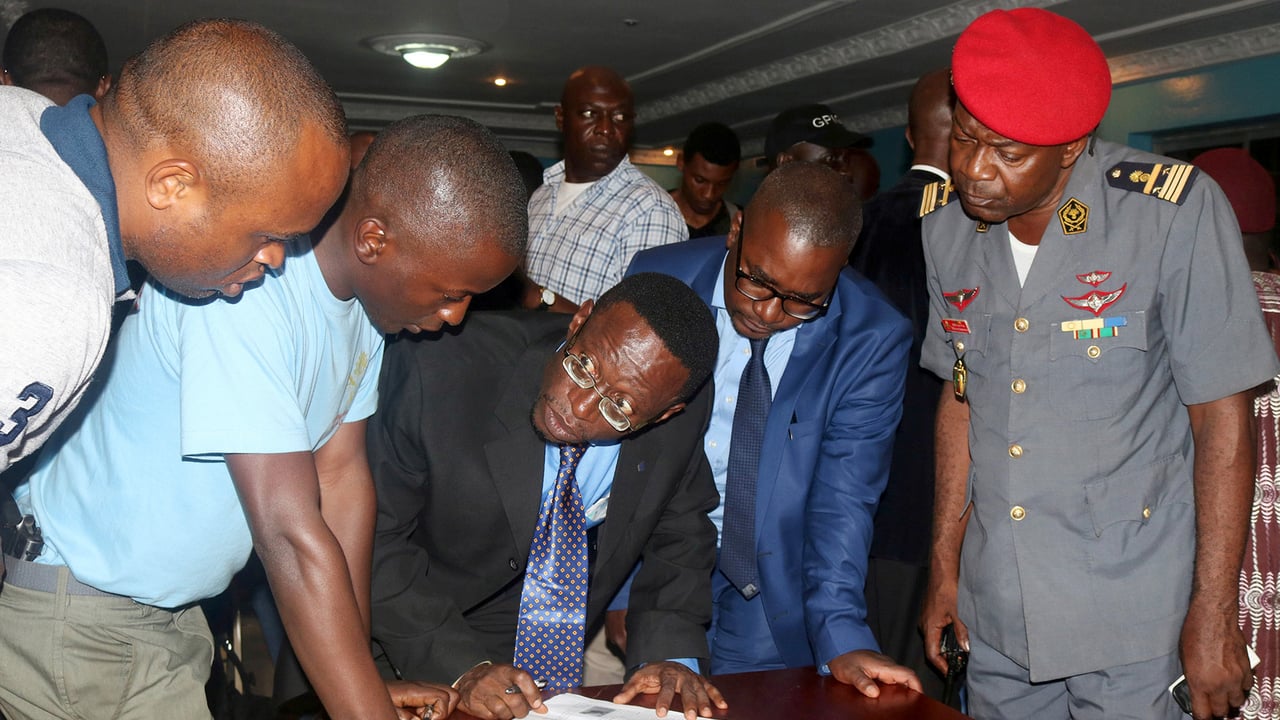
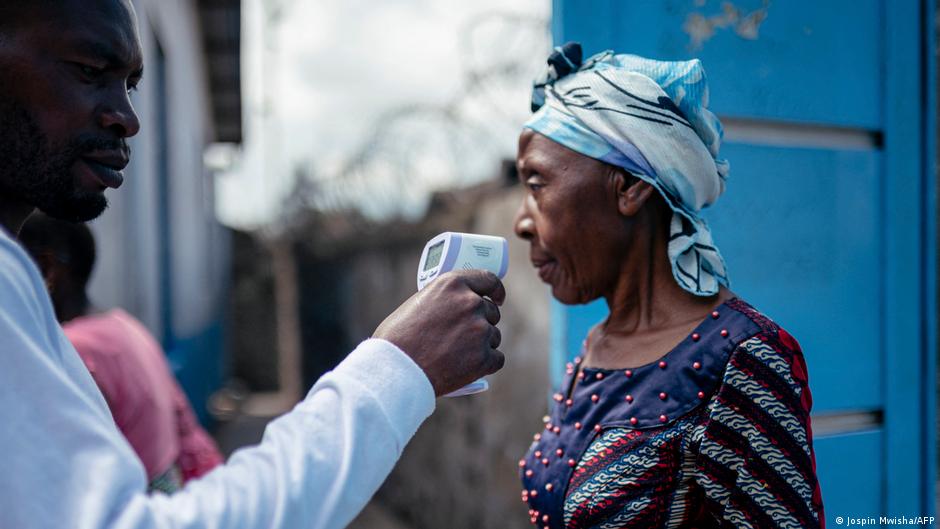
The Ministry of Public Health has announced emergency measures, including enhanced surveillance at Yaoundé-Nsimalen International Airport. A three-bed quarantine unit has been set up, though health officials admit that staffing and resources remain critically insufficient. Health Minister Manaouda Malachie is expected to oversee similar preparations at Douala’s main airport.
“Our priority is to prevent the virus from entering Cameroon at all costs,” the minister stated. “We must ensure early detection, immediate isolation, and swift treatment of suspected cases. This requires mobilizing all stakeholders—health workers, local authorities, and border agencies—to raise awareness and strengthen our response capacity.”
Border closures and public trust
Cameroon has taken drastic steps before. During the 2014 West African Ebola outbreak, the country shut its borders with neighboring nations, including Nigeria. But will history repeat itself, and will history judge those measures as effective—or merely a temporary fix?
Public skepticism runs deep, particularly in regions like the Far North, where cholera has already claimed hundreds of lives this year. Ngouffo criticizes the government’s lack of long-term planning: “We never prepare in advance. Our system fails to project needs or even track population growth. If we can’t manage cholera, how can we possibly handle Ebola? The stakes are exponentially higher.”
Operational challenges mount
Beyond announcements, the real test lies in execution. Health teams must rapidly identify suspected cases, isolate patients, protect frontline workers, and trace contacts—all within a fragile health infrastructure. With limited resources and growing distrust, the road ahead is fraught with uncertainty.
The question now is not if Cameroon will face Ebola, but whether it can mount a response swift and robust enough to prevent disaster.