From broken promises to broken borders
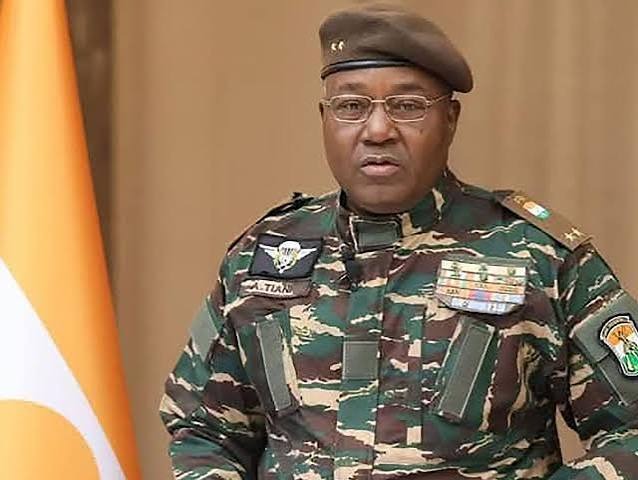
On July 26, 2023, Niger’s National Council for the Safeguarding of the Homeland (CNSP) declared it had seized power to restore sovereignty, end insecurity, and correct the alleged mismanagement of the democratically elected president, Mohamed Bazoum. Yet more than three years into military rule, the opposite has unfolded: the junta has not only replicated the failures it condemned—it has amplified them into a full-blown crisis of governance and national cohesion.
Geopolitical realignment: selling sovereignty to the highest bidder
The CNSP once railed against the “foreign domination” under Bazoum’s administration. Today, Niamey’s rush to forge opaque alliances risks surrendering national integrity to new powers. The secretive presence of foreign troops near Madama—over 200 kilometers inside Niger’s territory—exposes a dangerous lack of transparency and parliamentary oversight, turning sovereignty into a negotiable commodity rather than an inviolable principle.
A pattern of unchecked authority
Public debate has been stifled, and dissenting voices silenced. Civil society organizations and once-vocal supporters of the coup now watch in silence as the junta steers the nation toward deeper isolation. No major infrastructure project advances, no energy initiative breaks ground. Instead of reclaiming control, the regime appears to have bartered away strategic autonomy in exchange for uncertain security guarantees.
The security paradox: more strikes, more instability
The CNSP’s core justification for ousting Bazoum was the escalating threat from armed groups like the Islamic State in the Greater Sahara (ISGS) and Jama’at Nusrat ul-Islam wal Muslimin (JNIM). Yet despite intensified aerial campaigns and frequent official announcements of tactical victories, violence has intensified. Schools and health centers remain shuttered in Diffa, Maradi, Tahoua, and Tillabéri. Public life is suspended in vast areas where the state’s writ no longer runs—hardly a sign of restored order.
Economic stagnation: oil dreams on hold, debt on the rise
The junta’s flagship promise of economic sovereignty remains unfulfilled. Critical projects, including the stalled Kafra oil permit and the uncertain future of the Trans-Saharan Gas Pipeline, are mired in delays. Foreign investment has slowed, inflation persists, and public services deteriorate. The regime’s rhetoric of self-reliance rings hollow as Niamey negotiates new loans and military support with partners whose long-term commitment to Niger’s development remains unproven.
A nation held hostage by its own leadership
Once celebrated as liberators, the military rulers now oversee a country trapped between collapsing security, eroding autonomy, and economic paralysis. The public that once backed the coup now faces a bitter truth: the junta did not break the cycle of crisis—it deepened it. Without accountability, transparency, or a credible roadmap for transition, Niger’s people continue to pay the price of a leadership that promised to save the nation, but instead appears to have sold it.