Exclusive disclosure on Niger TV stirs regional tensions
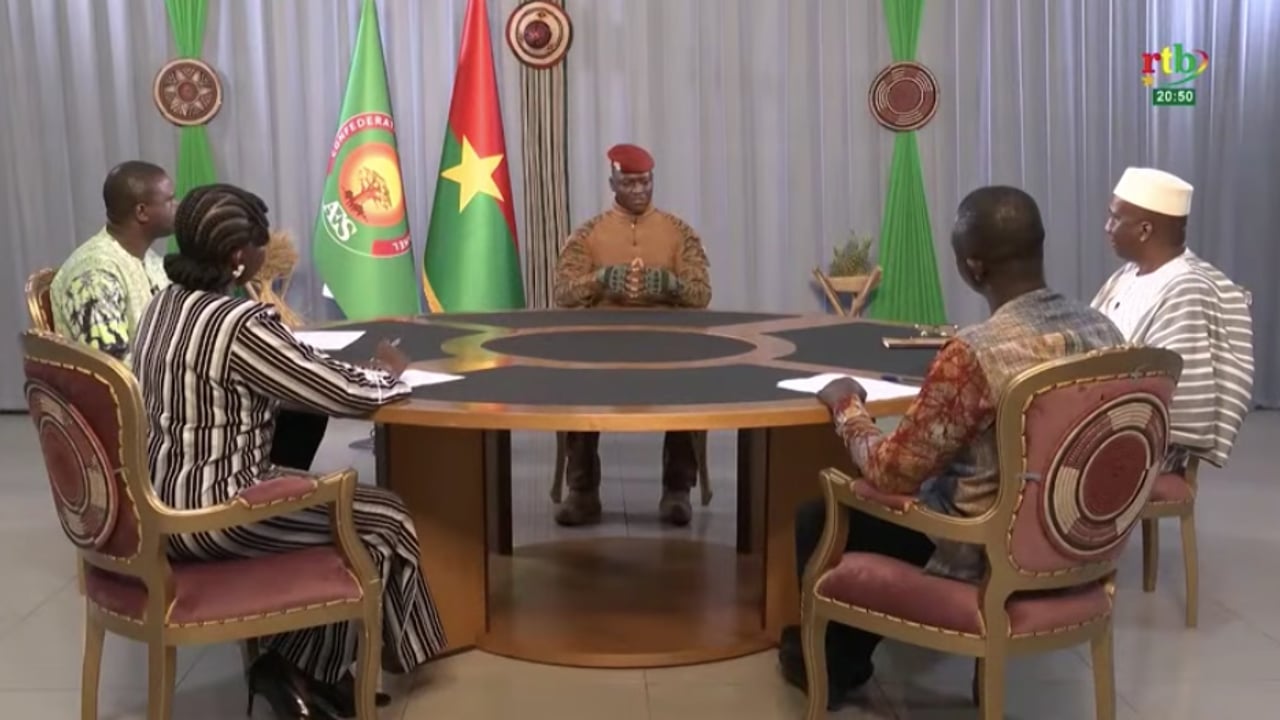
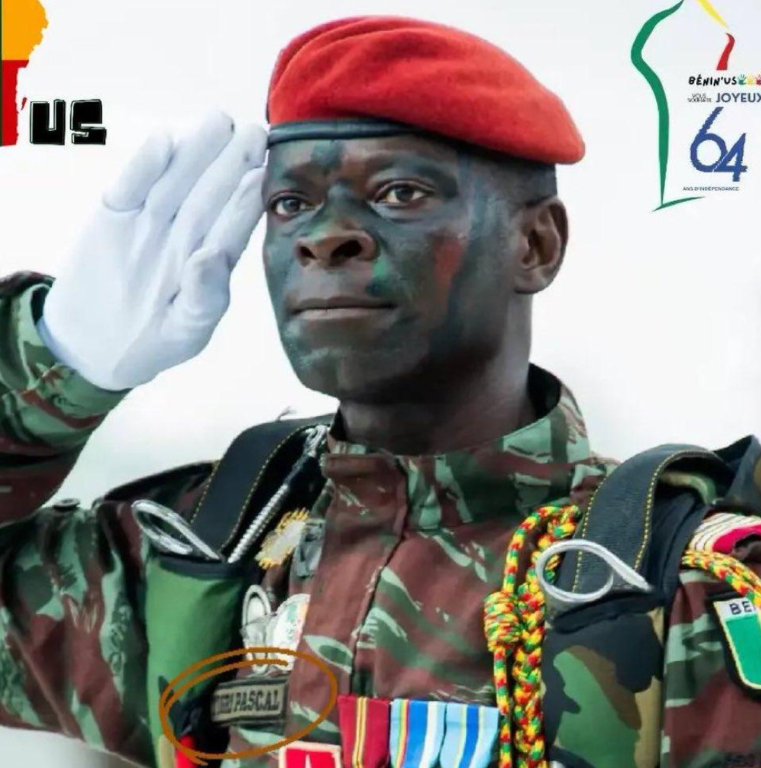
An explosive declaration aired on Niger’s national television has sent shockwaves through West Africa, drawing unprecedented attention to the whereabouts of Colonel Pascal Tigri—a key figure in the thwarted Beninese coup of December 7, 2025. The testimony, delivered by Inspector Habibou Oumarou Mamane, has shattered weeks of silence, raising critical questions about Tigri’s alleged presence in Niger and the role of high-level actors in a suspected covert operation.
Unprecedented revelations and unverified claims
During a nationally televised address, Inspector Habibou Oumarou Mamane detailed a months-long investigation, claiming he was hired on February 27, 2026, to locate Pascal Tigri. According to his account, he engaged with multiple intermediaries linked to Beninese security circles, negotiating substantial financial compensation in exchange for locating the fugitive. A payment of two million CFA francs was allegedly made to him on March 9, 2026, in Niamey’s bustling Grand Marché, followed by promises of additional funds, diplomatic passports, and commissioned positions.
The inspector named several individuals he claimed were involved, including individuals referred to as Moumouni, Zakou, and “David,” alongside an unnamed Beninese police officer identified only as Ilou. He also described meetings near the border town of Malanville—located just miles from Benin—and referenced significant sums of money, travel documents, and mission-based appointments as incentives for locating Tigri.
While the testimony is detailed and specific, it lacks independent corroboration. Critical details such as the identities of the intermediaries, the authenticity of the alleged payments, and the involvement of official Beninese authorities remain unverified. Without physical evidence or third-party validation, the credibility of these claims remains uncertain.
Search for a fugitive or secret exfiltration?
The use of the term “exfiltration” in the inspector’s statement has fueled speculation about whether Beninese authorities planned or attempted to clandestinely extract Pascal Tigri from Niger. However, it is essential to distinguish between a legitimate search for a fugitive and an operation to smuggle someone out of a country. At this stage, there is no confirmed evidence supporting the latter scenario.
Benin’s stated goal—locating a suspect in a failed coup—is a legitimate security objective. Searching for a wanted individual, gathering intelligence, or pursuing legal extradition through proper channels are entirely different from unauthorized covert operations. If Tigri were confirmed to be in Niger, authorities in Cotonou would be justified in seeking judicial cooperation, including formal extradition requests under established international protocols.
The sovereignty of Niger and its legal frameworks must be respected in any such process. Unilateral actions or unauthorized movements across borders would not only violate international law but also risk escalating already fragile regional relations.
Why air this at all? The power—and peril—of public exposure
The decision to broadcast this testimony on national television raises significant concerns. While such disclosure may shine a light on an issue of regional importance, television declarations do not constitute legal evidence. Without verifiable facts, statements aired on public airwaves risk becoming propaganda, misinformation, or politically motivated messaging—especially in a climate of strained relations between Niamey and Cotonou.
Public statements, particularly those naming individuals and detailing financial transactions, carry immense weight. Yet in the absence of official documents, recorded communications, or judicial filings, these claims remain assertions rather than established truths. The timing, nature, and manner of this disclosure suggest one or more possible agendas: advancing an investigation, responding to prior allegations, or sending a strategic signal to domestic or foreign audiences.
One certainty remains: without independent verification, the testimony’s impact is more likely to fuel speculation than resolve it. What appears to be a breakthrough may in fact be a diversion—or worse, a distortion of the truth.
Diplomatic stakes: cooperation vs. confrontation
This incident has evolved from a localized manhunt into a full-blown diplomatic challenge. For both Benin and Niger, the stakes could hardly be higher. If Pascal Tigri is indeed in Niger, the two nations face a pivotal moment: either collaborate within the bounds of international law or risk seeing tensions spiral into a broader crisis.
The identities of those mentioned, the amounts allegedly exchanged, and the circumstances of the alleged meetings all demand independent scrutiny. Benin has previously denied similar accusations, and while no official response followed this most recent broadcast, the lack of immediate rebuttal is not an admission of guilt. Rather, it underscores the need for transparent, evidence-based dialogue.
For Niger, the challenge is equally profound: balancing national sovereignty with the possibility of a high-profile extradition request. For Benin, the pressure lies in proving its claims while avoiding actions that could be perceived as violating another country’s territorial integrity.
What comes next? The path beyond the headlines
This testimony marks a turning point—not because it confirms Tigri’s presence in Niger, but because it forces both nations into a moment of reckoning. The credibility of the accusations now hinges not on dramatic television appearances, but on the tangible steps that follow.
Will Benin submit formal extradition requests? Will Niger initiate an internal investigation into the inspector’s claims? Will both countries engage in discreet but effective judicial cooperation to uncover the truth? The answers to these questions will determine whether this revelation leads to justice—or deepens a crisis.
One thing is clear: in a region already grappling with instability, the next chapter will not be written on air. It will be written in courtrooms, government offices, and the quiet exchanges between diplomats and security officials. Until then, the testimony of Inspector Habibou Oumarou Mamane serves as a wake-up call—not a verdict.