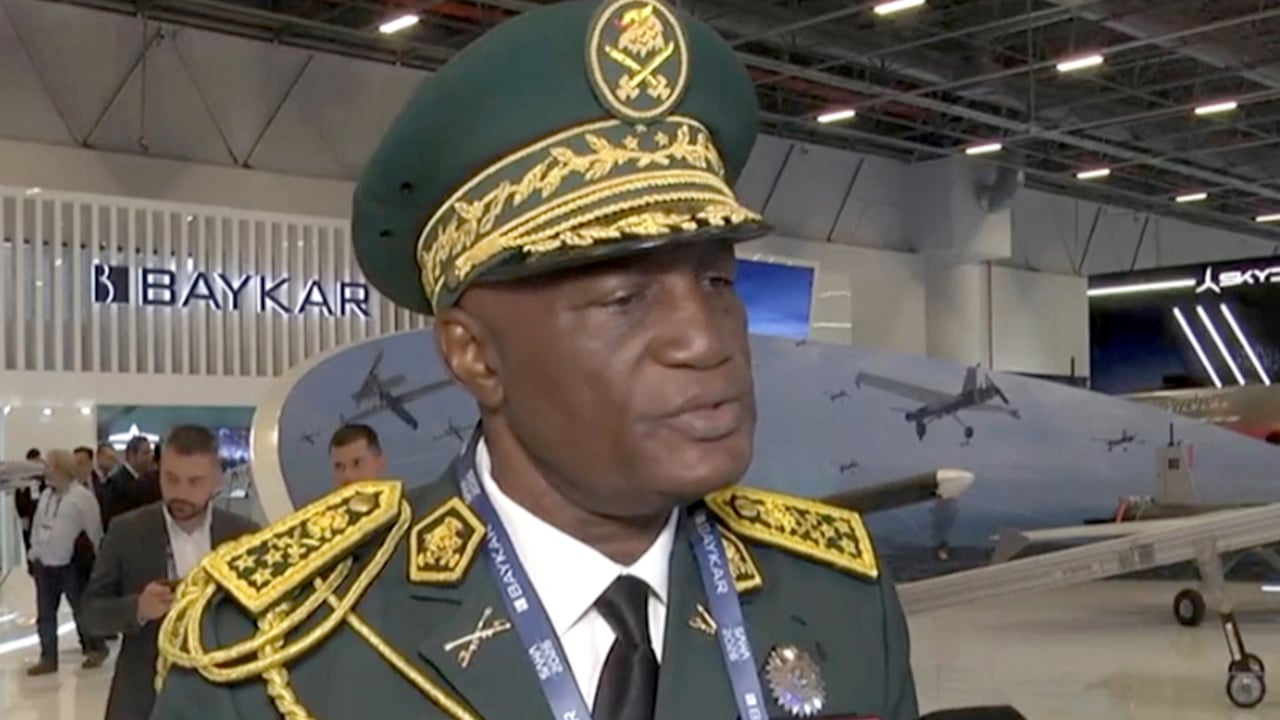

Hippolyte Ebaka has emerged as a pivotal figure in Cameroon‘s military hierarchy following his recent appointment to a top leadership position. His rise reflects broader shifts within the country’s defense strategy and signals a new era for national security operations.
From the ranks to command: the career trajectory of Hippolyte Ebaka
With decades of service in Cameroon’s armed forces, Ebaka has climbed the ranks through a combination of strategic acumen and operational excellence. His career spans critical roles in both field operations and high-level command, where he demonstrated an unmatched ability to navigate complex security challenges.
Key milestones in his journey include:
- Early years in service: Enlisting during a period of regional instability, Ebaka quickly distinguished himself through disciplined leadership and tactical insight.
- Command roles: Oversaw multiple frontline units, earning recognition for decisive actions in counter-insurgency operations.
- Strategic appointments: Held senior positions within the Ministry of Defense, shaping national defense policies and modernization efforts.
- Top military leadership: Appointed as Major-General, a role that places him at the helm of Cameroon’s armed forces during a critical juncture.
What his appointment means for Cameroon’s defense strategy
Ebaka’s elevation comes at a time when Cameroon faces evolving security threats, both domestically and across the broader Central African region. His appointment is widely seen as a strategic move to strengthen the country’s military capabilities and enhance operational effectiveness.
The Major-General’s leadership is expected to:
- Streamline command structures: Implement reforms to improve coordination between military branches and civilian authorities.
- Enhance counter-terrorism efforts: Focus on combating armed groups operating near Cameroon’s borders, particularly in the Far North region.
- Modernize equipment and training: Prioritize the acquisition of advanced defense technologies and specialized training programs for troops.
- Strengthen regional partnerships: Foster collaboration with neighboring nations to address cross-border security challenges.
Public perception and the influence of Paul Biya
The appointment of Hippolyte Ebaka has sparked discussions about the evolving dynamics within Cameroon’s leadership. President Paul Biya, who has overseen the country’s political landscape for decades, plays a significant role in shaping military appointments. Ebaka’s rise is interpreted by some as a reflection of the President’s confidence in his leadership during a time of heightened security concerns.
Analysts suggest that Ebaka’s appointment could signal a generational shift in the military, with implications for future defense policies and the broader political landscape in Cameroon.
Reactions from military and civilian circles
Within military circles, Ebaka is respected for his operational expertise and commitment to professionalism. His appointment has been met with cautious optimism by defense analysts, who highlight the need for sustained investment in both human and technological resources.
Civilian observers, meanwhile, are closely monitoring the implications of this leadership change. Some view it as a positive step toward addressing ongoing security challenges, while others remain cautious about the pace of reform and the broader political context.
Looking ahead: the roadmap for Cameroon’s military under Ebaka
As Ebaka takes the reins of Cameroon’s armed forces, all eyes are on the implementation of his strategic vision. Key priorities for his tenure include:
- Short-term goals: Stabilizing security in volatile regions and improving troop welfare.
- Medium-term objectives: Accelerating military modernization and expanding partnerships with allied nations.
- Long-term ambitions: Positioning Cameroon as a leading military force in Central Africa through innovation and strategic foresight.
The coming months will be critical in determining how effectively Ebaka can translate his vision into tangible results, particularly in addressing the persistent security threats that continue to challenge the nation.