Chad: the reconciliation mirage and the politics of selective clemency
The president’s address on Chad’s 1960 independence day wasn’t just a ceremonial moment—it was a carefully staged political maneuver. By blending harsh criticism of systemic flaws like corruption with the promise of sweeping presidential pardons, the administration crafted a narrative that blurs the line between reform and control.
This dual strategy—publicly denouncing malpractice while extending conditional clemency—serves a dual purpose: to project an image of decisive leadership while quietly reinforcing political dominance. But beneath the surface, this approach reveals deeper patterns of power preservation, where pardons become instruments of compliance rather than tools of reconciliation.
Criticizing corruption to sidestep responsibility
The regime’s tactic begins with co-opting the language of reform. By acknowledging corruption and embezzlement as “obstacles to progress,” the head of state reframes systemic failures as matters of perception rather than governance. This narrative shift allows the presidency to position itself as the sole arbiter of justice, deflecting scrutiny from its own decade-long rule.
Announcements of sudden audits and sanctions further reinforce this illusion of accountability. Yet these measures often target mid-level officials, shielding the inner circle from scrutiny and deflecting blame onto expendable bureaucrats. The message is clear: systemic change begins and ends with presidential will.
Pardons vs. amnesty: the legal trap behind selective mercy
The crux of this strategy lies in the distinction between pardon and amnesty. While amnesty erases guilt entirely, a pardon merely suspends punishment—leaving the conviction intact. For political opponents, this means redemption comes not through rehabilitation but through conditional forgiveness.
This legal asymmetry serves a political function. A graced leader remains a convicted one—bound by the shadow of past transgressions. The presidency maintains leverage, ensuring that pardoned figures remain dependent on its mercy. Reconciliation, in this framework, is not a shared process but a unilateral act of grace—one that reinforces the president’s moral authority and control.In this theater of power, clemency becomes a tool of subjugation, not liberation, leaving recipients forever indebted and constrained.
Unequal justice: where armed groups are forgiven, democratic voices are silenced
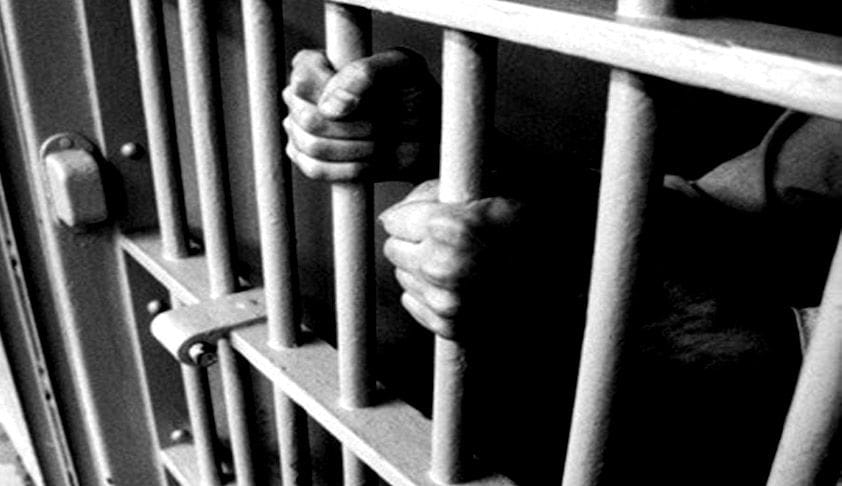
The contradictions in this policy are stark. While armed factions have benefited from amnesty under the banner of national unity, peaceful opposition leaders—including those linked to movements like Les Transformateurs—face relentless judicial persecution. Accusations of sedition, terrorism, and destabilization are wielded with precision, sidelining dissent without resorting to overt censorship.
This two-tiered justice system deepens regional and ethnic divides, undermining the very unity the government claims to champion. Historical precedents in African reconciliation efforts confirm that sustainable peace requires inclusive dialogue and equitable treatment—not selective clemency that fuels grievances.Empty promises and the illusion of empathy
The president’s vow to address water shortages, unreliable electricity, and crumbling infrastructure may resonate emotionally, but it lacks substance. Acknowledging suffering without binding commitments—no budgets, no timelines, no accountability—is a hollow gesture. It fosters fleeting public sympathy without catalyzing tangible change.
Ultimately, this address appears designed to dominate headlines and manufacture consensus. Beneath the rhetoric of unity lies a calculated effort to maintain the political upper hand—where reconciliation is not a goal, but a performance.