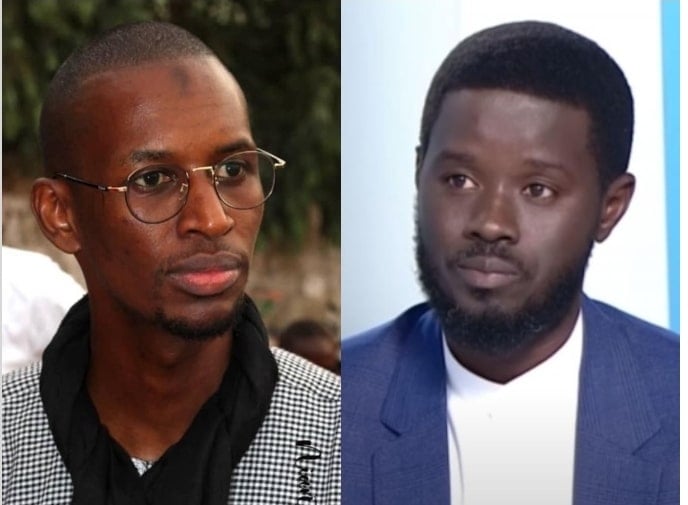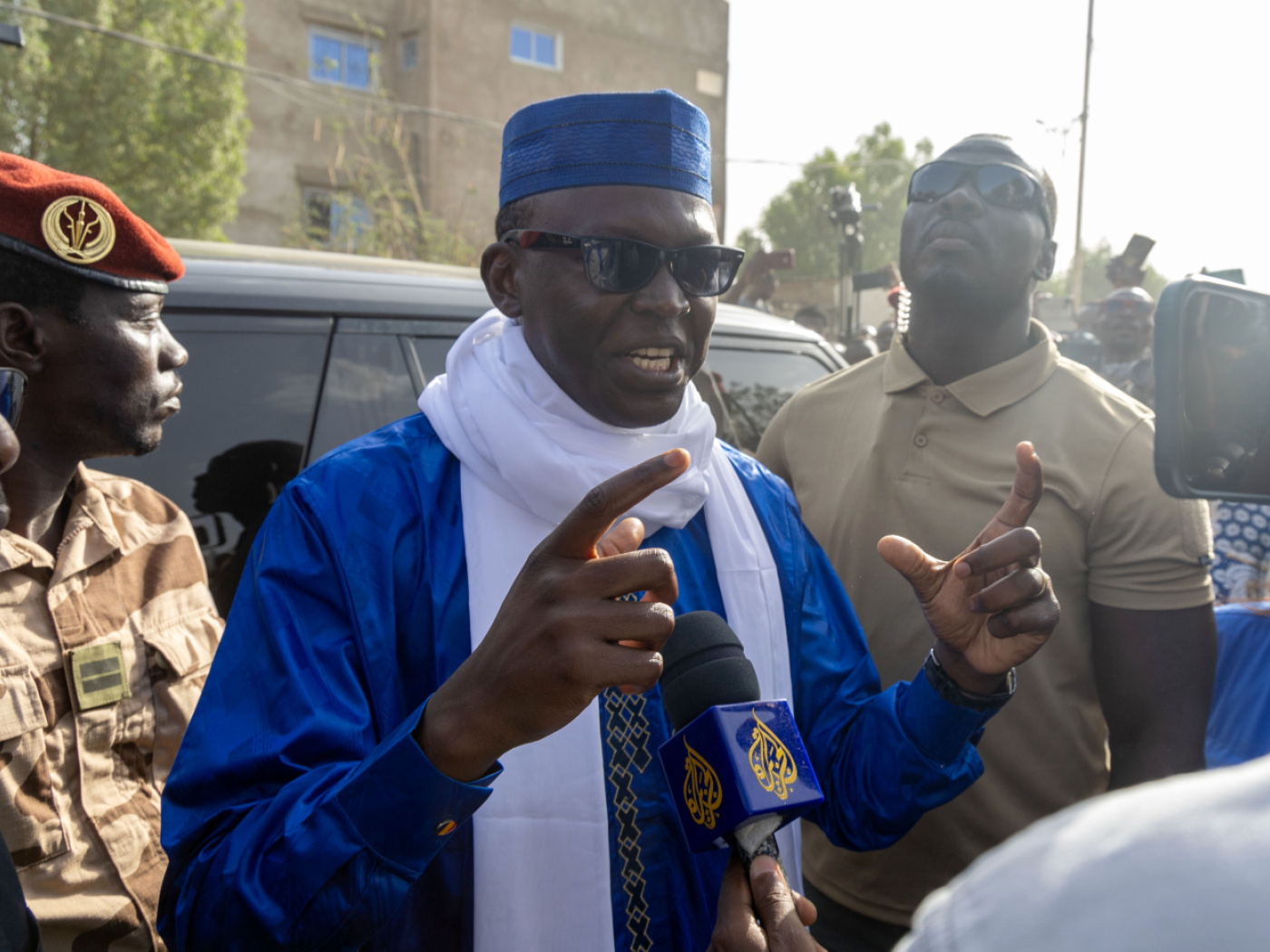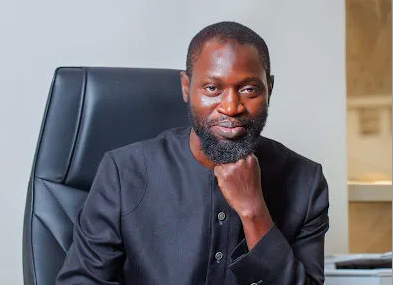
The Managing Director of Senegal’s State Property Management and Exploitation Company (SOGEPA), Elimane Pouye, has firmly rejected assertions that former Prime Minister Ousmane Sonko was the first and only government head to receive political funds. In a thought-provoking opinion piece, he argues that such claims lack factual basis and points to the need for a more nuanced discussion on the use of public resources.
Public funds: a question of transparency and equality
According to Elimane Pouye, the claim that Ousmane Sonko’s situation is unique ignores the broader context of political funding in Senegal. He emphasizes that the allocation of such funds is not exclusive to any single individual and calls for a review of historical budgetary records rather than political rhetoric. The SOGEPA chief underscores that comparing the budgets of the Prime Minister’s Office for 2023, 2024, and 2025 reveals a consistent framework for these allocations, with variations primarily tied to institutional reorganizations rather than individual beneficiaries.
New light on an old debate
Elimane Pouye highlights what he considers the real turning point in this discussion: Ousmane Sonko’s public acknowledgment of the existence of these political funds within the Prime Minister’s budget, along with details about their amounts and general usage. This admission, he notes, raises legitimate questions: if such funds have been part of the budget for years, how were they utilized by previous Prime Ministers, and for what purposes? For Pouye, this line of inquiry is far more constructive than debates centered on daily allocation amounts or distribution frequency.
Calls for a fact-based debate
The SOGEPA Director advocates for a shift in focus toward transparency in the use of public money. He argues that political funds, like any public resource, should be subject to democratic scrutiny—but only when grounded in verifiable facts rather than insinuations or political posturing. He stresses that such discussions should be framed within the broader principles of accountability and good governance, ensuring that public funds are used responsibly and in the public interest.
Encouraging a constructive dialogue
Elimane Pouye also points out that both the parliamentary majority and the Head of State have publicly addressed this issue. He encourages all stakeholders to engage in a robust, evidence-based debate, viewing it as an opportunity to strengthen Senegal’s democratic institutions and uphold the rule of law. His stance reflects a commitment to fostering a political environment where accountability and transparency are prioritized over divisive rhetoric.
In conclusion, he defends the vibrancy of Senegal’s institutional debates while warning against attempts by certain political actors to revive old divisions or divert attention from the core issues at hand.