
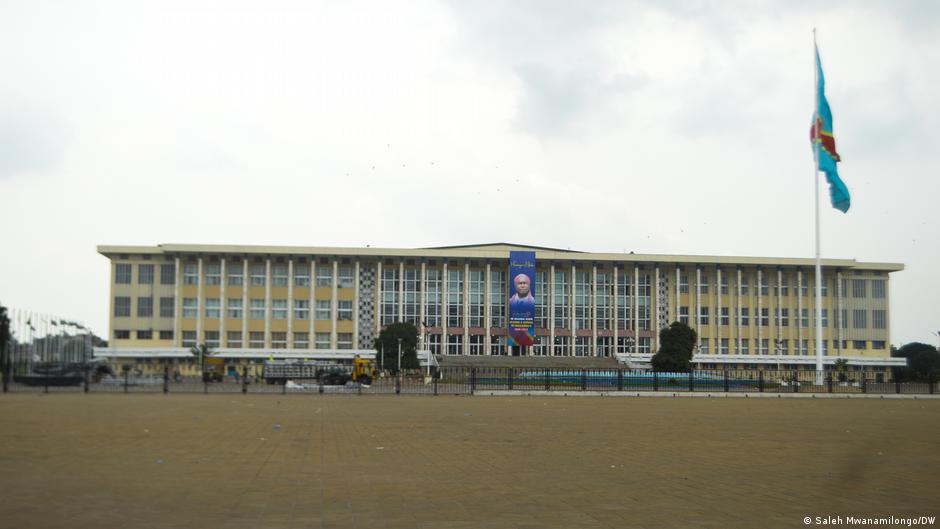
Congo constitutional reform: a nation divided over institutional change
The constitutional reform debate in the Democratic Republic of the Congo has intensified following the National Assembly’s approval of the referendum bill on May 27. What began as a technical discussion about institutional reorganization has now become a flashpoint for political confrontation. The ruling majority presents the reform as a modernization of governance structures, while opposition figures argue it serves a single purpose: to extend President Félix Tshisekedi’s hold on power.
youth voices caught between hope and skepticism
With more than half of Congo’s population under 25, the nation’s youth hold the key to the reform’s legitimacy. In Kinshasa’s bustling streets and university campuses, opinions diverge sharply. Some young activists see constitutional change as an opportunity to build a stronger, more responsive government. Others question why such a sweeping reform takes precedence over urgent economic and security challenges, including persistent poverty, rampant unemployment, and recurring conflicts in the east.
“This is not a moment for constitutional tinkering,” said a student protester at the University of Kinshasa. “We need jobs, security, and real leadership—not another distraction.”
katumbi’s fiery warning: crossing the red line
Opposition leader Moïse Katumbi has emerged as the most vocal critic of the reform, framing it as a direct assault on democratic norms. In a recent interview, he warned that tampering with the Constitution is tantamount to “changing a shirt without fixing the body underneath.”
Katumbi’s coalition, which includes prominent civil society groups, has vowed to organize mass protests and push for a national dialogue. He directly challenged President Tshisekedi to justify the reform’s timing and motives, warning that any attempt to bypass constitutional safeguards would erode public trust in the government.
legal battle looms as opposition files complaint
On June 9, the C64 opposition coalition—comprising Katumbi’s party and several allies—announced plans to file a lawsuit against President Tshisekedi. The coalition accuses him of attempting to seize power through unconstitutional means. While legal experts suggest the complaint may face procedural hurdles, it signals a new phase in the political standoff.
Constitutional lawyer Jonas Ngalamulume cautioned that the move is largely symbolic. “The real battle is not in the courts,” he explained. “It’s in the streets, in public opinion, and in the hearts of Congolese citizens.” Still, the filing adds pressure on the government to clarify its intentions and reassure a wary public.
As political tempers flare, the constitutional reform has evolved from a policy proposal into a defining test of Congo’s democratic future. Will it serve as a tool for renewal or a pretext for power consolidation? The answer may well determine whether the nation moves forward—or further fragments under the weight of unmet expectations.


More Stories
Gabon : la participation citoyenne devient un enjeu de gouvernance
Gabon : Force ouvre sa rentrée associative à Akanda sur des propositions citoyennes
Dakar 2026 : Diomaye Faye invite la jeunesse sénégalaise à incarner l’Afrique