Leaders from the Democratic Republic of Congo (DRC) and the Republic of Congo have finalized an agreement to resolve tensions stemming from the Makotipoko border incident, pledging immediate compensation for affected communities.
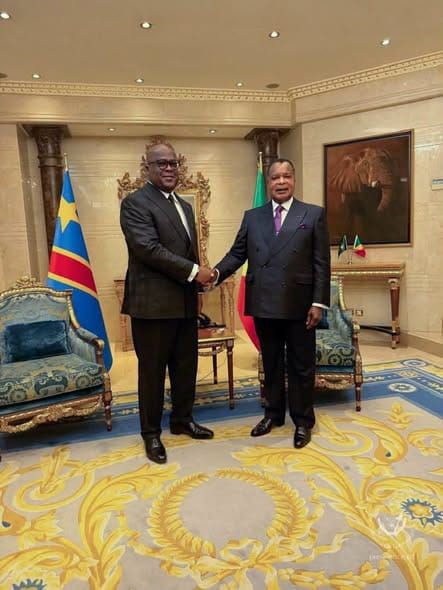
Direct talks in Brazzaville avert escalation after cross-border clash
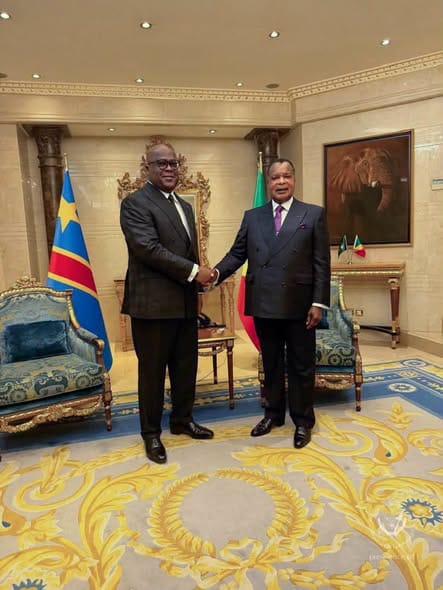
In a high-stakes meeting in Brazzaville, President Félix Tshisekedi of the DRC and President Denis Sassou Nguesso of the Republic of Congo addressed the fallout from the Makotipoko incident—a violent confrontation between military personnel near the Congo River border that left civilians and soldiers injured.
The two leaders emphasized the need to protect the deep historical and cultural ties between their nations, with Tshisekedi stressing, “We are one people, with shared values and destiny. No border can divide us.”
Compensation promised as both countries commit to preventing future conflicts
Following the emergency talks, both governments agreed to an immediate compensation fund for victims and families impacted by the Makotipoko clash. Tshisekedi also directed his defense and interior ministers to implement joint border patrols to prevent similar incidents.
Sassou Nguesso echoed the commitment to peace, stating, “Our nations share a river, a culture, and a future. We will not allow a single incident to endanger decades of peaceful coexistence.”
Regional stability in focus as leaders review Congo River security
The summit also included a review of security arrangements along the Congo River, with both presidents reaffirming their commitment to honoring existing bilateral agreements. The leaders called for stronger coordination in addressing cross-border criminal networks and humanitarian challenges in eastern DRC.
Analysts suggest the agreement signals a potential shift toward deeper economic and security integration between the two Congos, with ripple effects across Central Africa.