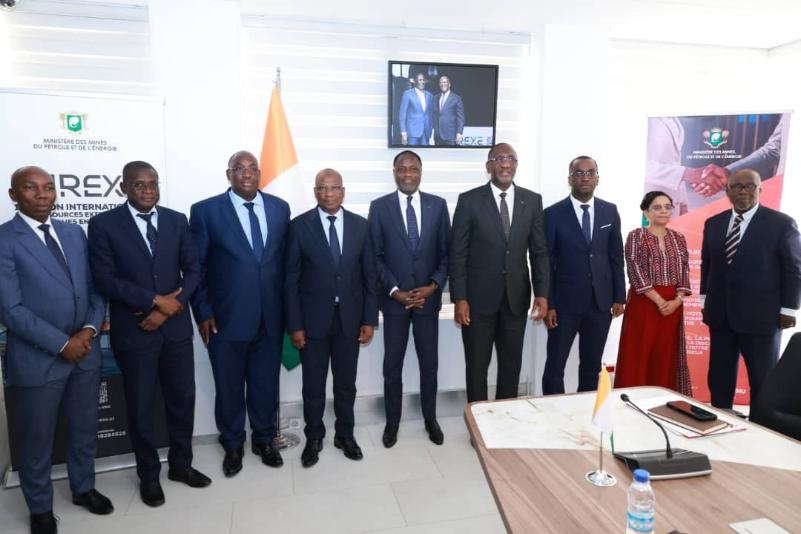
Unveiling the national energy pact’s governance structure
The steering committee of Côte d’Ivoire’s National Energy Pact convened its inaugural session on August 4, 2026, at the SCIAM building in Abidjan. Chaired by Dr. Souleymane DIARRASSOUBA, Minister of Planning and Development, the meeting brought together key figures including Mamadou SANGAFOWA-COULIBALY, Minister of Mines, Petroleum and Energy; the Deputy Chief of Staff for the Ministry of Economy, Finance and Budget; the Deputy Chief of Staff to the Prime Minister; and the Technical Advisor to the President’s Cabinet Director. The gathering focused on reinforcing the committee’s operational framework and charting the course for the Pact’s commitments.
The committee validated progress reports and greenlit plans for a roundtable to secure funding for priority energy projects.
Mission 300 alignment and national energy targets
Côte d’Ivoire’s National Energy Pact is part of the Mission 300 initiative, a joint effort by the World Bank and African Development Bank to bring electricity to 300 million sub-Saharan Africans by 2030. Adopted in January 2025, the Ivorian Pact was unveiled by Prime Minister Robert Beugré MAMBÉ at the Dar es Salaam Energy Summit in Tanzania, earning the country a model status among Mission 300 partners. To date, 29 African nations have established similar national pacts. The Ivorian initiative is backed by a €6.56 billion investment plan (3,980 billion CFA francs) for 2025–2030, with €1.94 billion (1,177 billion CFA francs) expected from private investors.
The governance structure includes a steering committee, a technical committee, and a coordination unit for the National Energy Pact.
Four pillars to electrify the nation and beyond
At the meeting’s outset, Dr. DIARRASSOUBA outlined the Pact’s four core objectives: universal electricity access, clean cooking solutions for households, a 45% renewable energy share in the national grid, and financial sustainability of the energy sector. He emphasized the Pact’s alignment with the National Development Plan and the UN’s seventh Sustainable Development Goal, underscoring energy’s pivotal role in driving economic and social progress.
The progress report revealed significant strides toward the 2030 targets. In 2025 alone, Côte d’Ivoire connected 684,735 households—nearly 3.6 million people—and exceeded its annual goal by 5.3%. Since 2024, the country has electrified 7.7 million citizens, with a national electrification rate now standing at 81.1%.
Investment portfolio and regional integration
The committee approved a priority project portfolio for 2026–2030, valued at approximately 2,840 billion CFA francs, with financing strategies currently underway. Deadlines for pending actions were finalized, with strict monitoring pledged to ensure adherence.
Côte d’Ivoire’s electricity sector is a regional powerhouse in West Africa, with a longstanding role in cross-border energy trade. The Pact’s projects will further cement the country’s leadership in shaping a unified West African electricity market.

More Stories
Behind the violence: how the M23’s control of DRC mines fuels a cycle of abuse
Unpacking the surge: why Nigeria’s farmer-herder clashes are driving 600 refugees into Cameroon’s Northwest
Why Paris Saint-Germain’s midfield dominance sank Marseille in Ligue 1