The fallout begins: how Côte d’Ivoire’s spectrum management announcement is sparking debate
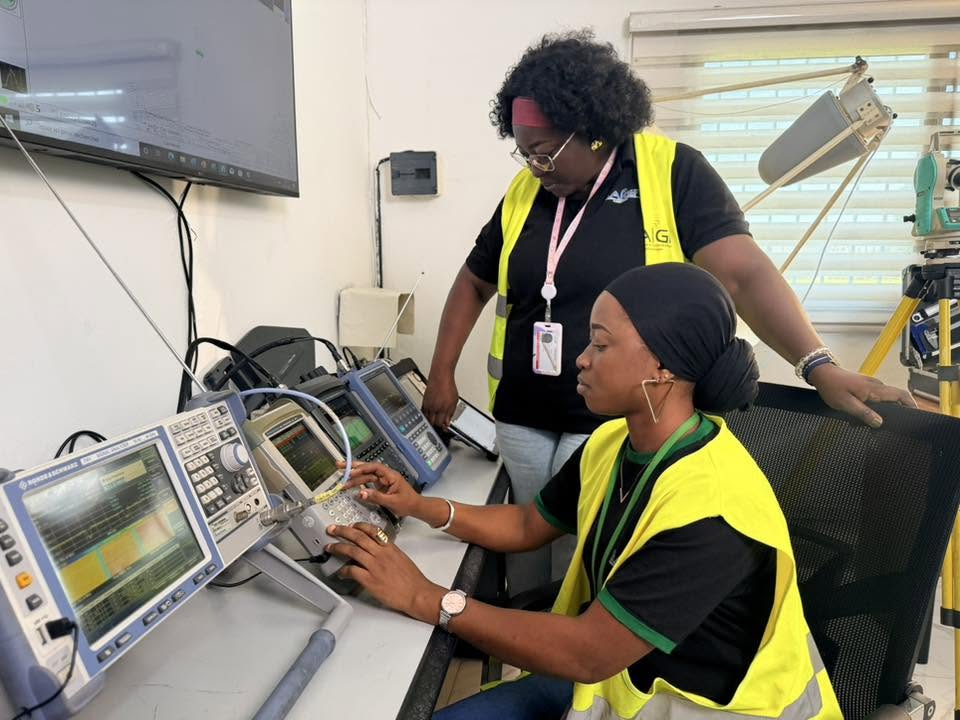
Abidjan, 28 September 2026 — Côte d’Ivoire’s broadcast and telecom sectors are reacting sharply to Tuesday’s nationwide address on radio frequency management. The live public forum, which aired at 3:00 PM on government social channels, exposed long-standing concerns about spectrum allocation, interference risks and the national regulator’s enforcement record. At the center of the discussion was Aliou Bamba, director of National Frequency Management at the Agence Ivoirienne de Gestion des Fréquences (AIGF), who presented a sweeping policy review and fielded real-time questions from viewers across the country.
What was said: key takeaways from the official briefing
The one-hour session laid bare how frequencies are assigned, monitored and audited in Côte d’Ivoire. Bamba outlined new compliance checks aimed at eliminating illegal broadcasts, outlined stricter penalties for spectrum interference and previewed a national spectrum census scheduled for early 2027. Attendees also heard for the first time the AIGF’s five-year roadmap, promising a dramatic reduction in overlapping licenses and a clearer path for new entrants in FM radio and digital TV.
Market watchers noted the absence of any public apology for past enforcement gaps, while consumer groups welcomed the pledge to publish quarterly interference reports—something activists have demanded for years. The live chat lit up with praise for transparency on social media but also skepticism over whether the new rules will reach beyond Abidjan’s elite corridors.
Public reaction: praise, protests and policy wish-lists
Social feeds exploded minutes after the broadcast, with hashtags like #AIGFRéforme and #FréquenceIvoire dominating the conversation. Telecom operators cautiously endorsed the commitment to digital transition but warned that stricter interference rules could disrupt ongoing roll-outs of 4G and 5G services. Meanwhile, hundreds of small community radio stations—many operating outside formal licensing—announced plans to stage a sit-in outside the AIGF headquarters on Thursday, citing fears of sudden shutdowns.
Civil society coalitions, long critical of opaque licensing rounds, praised the initiative but demanded that the AIGF publish a full license registry before the end of October. Early poll estimates suggest more than 60 % of urban respondents support stronger controls, while rural listeners remain divided, with many still unaware of the changes.
What happens next: timeline and implementation risks
The AIGF has committed to publishing the draft spectrum census questionnaire by 15 October and to hosting regional town-hall meetings in Bouaké, San-Pédro and Korhogo during the first week of November. Industry analysts expect a spike in merger-and-acquisition activity once the registry is finalized, as operators scramble to consolidate overlapping licenses before enforcement tightens. Still, watchdogs highlighted a gaping loophole: the briefing offered no detail on how the government plans to fund the expanded monitoring network—raising concerns about patchy coverage outside major cities.
Key milestones to watch
- 30 September 2026: Deadline for written submissions on the draft interference rules
- 15 October 2026: Publication of the national spectrum census questionnaire
- 1–7 November 2026: AIGF regional consultations in three economic hubs
- Q1 2027: Launch of the nationwide spectrum audit
What to expect: potential winners and losers
Analysts anticipate a shake-up across the board. Legacy FM networks with expired licenses face the highest risk of non-renewal, while tower-sharing deals between mobile operators are expected to accelerate. Community broadcasters, already struggling with advertising revenue, warn that the new compliance costs could push them off-air unless subsidized licenses are introduced. Conversely, international broadcasters licensed under the new rules are likely to gain a clearer regulatory runway—bolstering Côte d’Ivoire’s appeal as a West-African broadcast hub.
Voices from the ground: what Ivorians are saying
« The government finally admits we have a chaos of pirate signals—now they must act, » said Yves Koné, a university lecturer in Abidjan. In the commercial capital’s Plateau district, street vendors gathered around a single smartphone to watch the broadcast replay. « I don’t know what this AIGF means, but I’m worried my favorite station might disappear, » admitted Aïcha Traoré, a market trader. Meanwhile, at the Abidjan Chamber of Commerce, telecom executives huddled over laptops, calculating how the new interference fines would fit into their 2027 budgets.
As the dust settles, one question looms larger than any other: will Côte d’Ivoire’s bold new plan quiet the spectrum chaos—or amplify the uproar?