Breaking barriers in urban sanitation
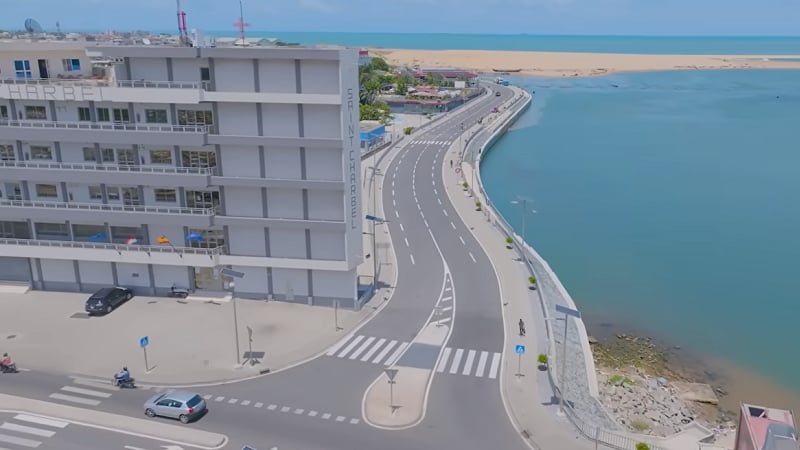
Cotonou has achieved a historic milestone in Africa’s urban development landscape. In the 2025 rankings of the continent’s cleanest cities, the capital secured the top position in West Africa and claimed the third spot nationwide. This recognition underscores a decisive shift in how urban cleanliness is perceived and managed in one of Africa’s fastest-growing economies.
A measured triumph of public satisfaction
The achievement is rooted in tangible improvements recognized by residents themselves. Over 7,800 survey responses primarily from permanent inhabitants validated the city’s progress. With a score of 7.6 out of 10, Cotonou leapfrogged five positions from its previous ranking, signaling not just cleaner streets but a deeper transformation in daily urban life.
From perception to practice: the numbers behind the ranking
The driving force behind this leap is a robust operational framework. In 2024 alone, sanitation teams collected over 14,000 metric tons of household waste monthly, while hundreds of thousands of square meters of public spaces underwent regular maintenance. These figures reflect more than just efforts they represent a systemic approach to urban upkeep that prioritizes consistency over short-term campaigns.
Infrastructure and accountability as pillars of progress
Cotonou’s breakthrough is not accidental; it stems from deliberate investments in waste management infrastructure, public facility upkeep, and transparent service delivery. The city has expanded collection routes, upgraded transfer stations, and implemented digital tracking for waste disposal, ensuring accountability at every stage. These measures directly target the root causes of urban blight: unregulated dumping and inconsistent service coverage.
Sustaining momentum: the next frontier for Cotonou
Despite this success, the city’s leadership emphasizes that the work is ongoing. To solidify its standing, Cotonou aims to deepen citizen engagement through awareness campaigns, expand recycling initiatives, and integrate green spaces into its urban fabric. The goal is clear: to ensure that cleanliness is not a temporary achievement but a sustainable standard across every neighborhood.
A model of urban renewal gains continental recognition
Cotonou’s rise to third place in Africa and first in West Africa signals a broader trend cleanliness is increasingly recognized as a cornerstone of urban prosperity. For neighboring cities grappling with similar challenges, the success story offers replicable strategies: prioritize infrastructure, invest in public trust, and align services with resident needs. In this context, Cotonou’s achievement is more than a statistic; it’s a blueprint for inclusive urban transformation.
By Ramatou Soumana — Journalist