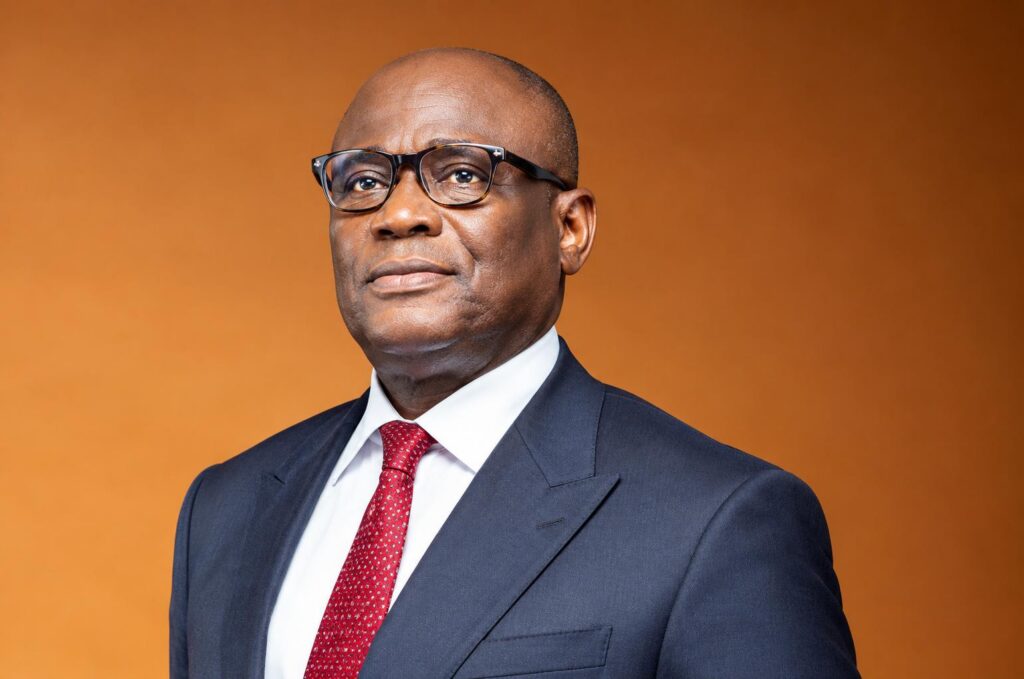
Why West Africa’s idle cash holds the key to regional financial freedom
West Africa’s economic future may depend less on foreign aid and more on what its own citizens are already saving. At the 2nd Regional Shareholding Forum in Cotonou this September, policymakers, business leaders and financial regulators uncovered a striking paradox: despite robust growth across the West African Economic and Monetary Union (WAEMU), local savings remain largely untapped as engines of economic transformation. What if redirecting this dormant capital could finally break the cycle of financial dependence and spark homegrown prosperity?
The invisible wealth challenge: tapping into household savings for regional growth
WAEMU’s eight member states—Bénin, Burkina Faso, Côte d’Ivoire, Guinea-Bissau, Mali, Niger, Sénégal and Togo—have long relied on external financing for major projects. Yet with household savings in the region estimated at over $50 billion annually, a largely overlooked opportunity lies in mobilising these resources. The forum revealed how redirecting even a fraction of this capital into productive investments could unlock new pathways for SMEs, infrastructure and innovation.
But turning household savings into long-term capital requires more than good intentions. It demands a cultural shift: shifting millions of individuals from saving primarily in informal schemes or short-term deposits to becoming active shareholders in the region’s economic future. The Cotonou gathering made clear that without structured, accessible investment channels, this savings potential will remain untapped.
Three levers to unlock local capital and build financial sovereignty
Experts at the forum identified three core mechanisms to transform the region’s savings landscape:
- Democratising access to capital markets: Simplify initial public offerings (IPOs) for local businesses and strengthen the Regional Stock Exchange (BRVM) to become a gateway for citizens and SMEs. Expanding secondary market liquidity could attract new investor classes, including youth and rural savers.
- Leveraging digital tools for inclusion: Fintech platforms and mobile apps now make it easier for everyday savers to access shareholding opportunities across WAEMU. Digital wallets and robo-advisors could reduce entry barriers and boost financial literacy.
- Aligning fiscal and regulatory frameworks: Governments and regulators are reviewing tax incentives, investment protections and disclosure rules to make equity investment more attractive. A unified regional policy could create a level playing field and reduce regulatory fragmentation.
What financial sovereignty really means for West African citizens
The push for financial sovereignty is not just about reducing reliance on foreign capital—it’s about empowering citizens to co-own the region’s future. When individuals invest in local enterprises, their money fuels job creation, infrastructure and sustainable growth. This ownership model strengthens resilience against global shocks and sharpens economic accountability.
The WAEMU’s central bank (BCEAO), the regional regulator and financial authorities have all underscored that sustained growth requires deepening domestic capital markets. Their message was unequivocal: the time to act is now. Every saved franc invested locally is a franc that stays in the region and works for its people.
From Cotonou to the region: turning intention into action
The forum concluded with a call to action: each WAEMU citizen must become a shareholder, not just a saver. This means embracing equity culture, demanding transparent governance and demanding investment choices that reflect regional priorities. As the discussions drew to a close in Cotonou, one thing became clear—West Africa’s financial awakening begins in the homes and wallets of its people.
The path forward is not without challenges. Cultural barriers, low financial literacy and trust gaps persist. But with coordinated policy reform, market innovation and public engagement, the region’s savings could finally become the engine of its own economic destiny.
More Stories
Gabon’s justice system undergoes strategic shift with Moukoko at helm of Libreville’s prosecutor’s office
Behind the scenes: how Benin and Spain leveraged art to redefine their global alliance
Niger’s junta under siege: how the 29 August coup attempt reshaped power dynamics