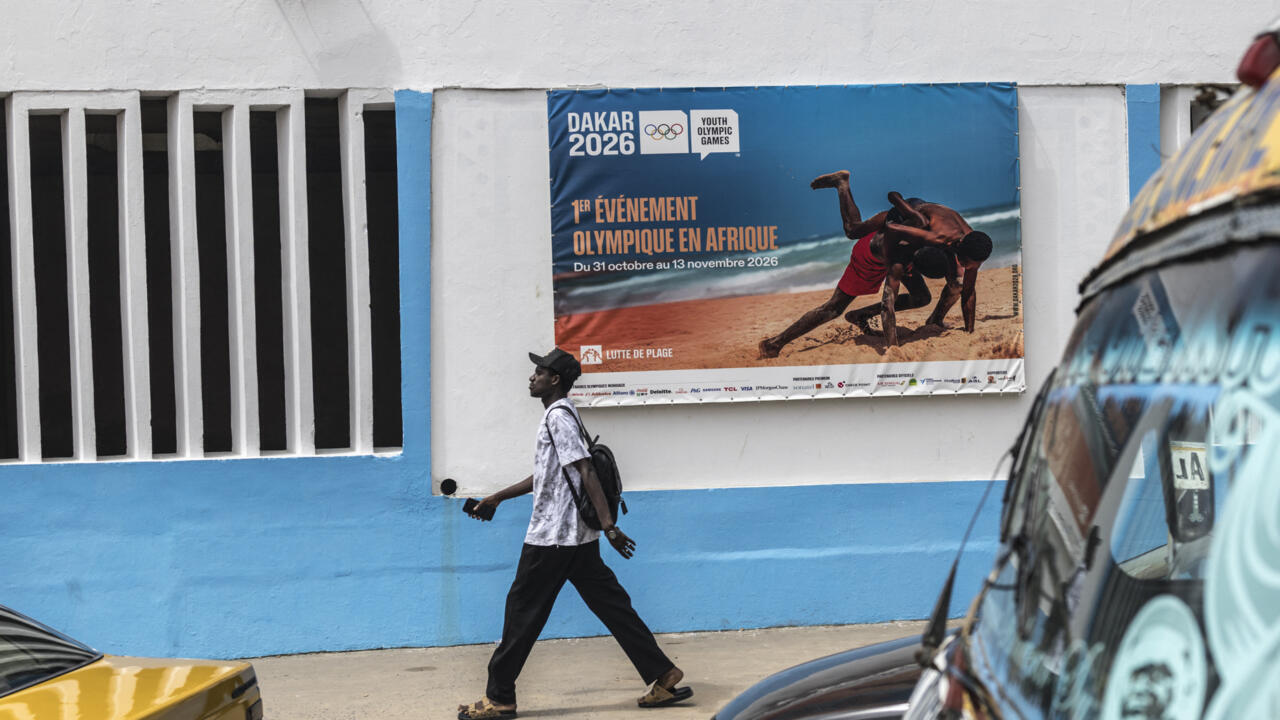
The countdown has begun. When the Youth Olympic Games kick off in Dakar on October 31, 2026, Africa will not only host its first Olympic event—it will confront a defining moment in its sporting and diplomatic history.
What’s at stake beyond the opening ceremony
The Youth Olympic Games in Dakar are more than a sporting spectacle—they represent Africa’s bold step onto the Olympic stage. But as the world watches, reactions are far from uniform. While some hail this milestone as a turning point for African unity and global representation, others voice skepticism about infrastructure readiness, financial sustainability, and long-term impact.
Public sentiment: pride, pressure, and unanswered questions
The anticipation in Senegal is palpable. The slogan “L’Afrique accueille, Dakar célèbre” (“Africa welcomes, Dakar celebrates”) captures the pride and ambition behind hosting the event. Yet beneath the excitement lies a layer of public debate. Critics question whether Dakar’s infrastructure can truly support an Olympic-scale event without overburdening local resources. Environmental concerns, venue accessibility, and the long-term utility of newly built facilities are hot topics. Meanwhile, supporters argue that Dakar 2026 is about more than medals—it’s a statement of Africa’s place in the world.
Voices from the ground: balancing hope and caution
- Local organizers emphasize the Games’ potential to boost youth engagement in sport and education, positioning Senegal as a hub for African athletic development.
- International observers highlight the symbolic shift: for the first time, an Olympic event is taking place in Africa, not just for Africa.
- Citizens are divided—some see it as a source of national pride, while others worry about cost overruns and displacement issues linked to venue construction.
What comes next: the road to Paris 2024 and beyond
While Dakar hosts the Youth Olympics, eyes are already on the next major milestone: Africa’s bid for the full Olympic Games. Experts suggest that the success of Dakar 2026 could significantly influence the International Olympic Committee’s decision. But success isn’t guaranteed. Infrastructure must prove resilient under pressure, and Dakar must demonstrate it can deliver a seamless experience that meets global standards.
The post-Games strategy will be critical. How will Senegal and its continental partners leverage the momentum? Will the venues remain hubs for local sport and tourism? Can the Games inspire a new generation of African athletes and leaders?
Challenges and opportunities in focus
As the Opening Ceremony approaches, key challenges remain:
- Infrastructure verification: Are all venues, transport links, and security measures ready for international scrutiny?
- Legacy planning: Can Dakar avoid the “Olympic white elephant” trap, ensuring venues serve the community long after the Games end?
- Global perception shift: Will the world acknowledge Africa not just as a beneficiary of Olympic generosity, but as a capable, forward-thinking host?
A turning point for African sport
Regardless of the immediate outcomes, Dakar 2026 is already a turning point. It has forced a global conversation about representation, opportunity, and what it means to host the Olympics. The fallout from these Games will shape Africa’s Olympic ambitions for decades. What happens in Dakar doesn’t stay in Dakar—it will echo across continents and generations.