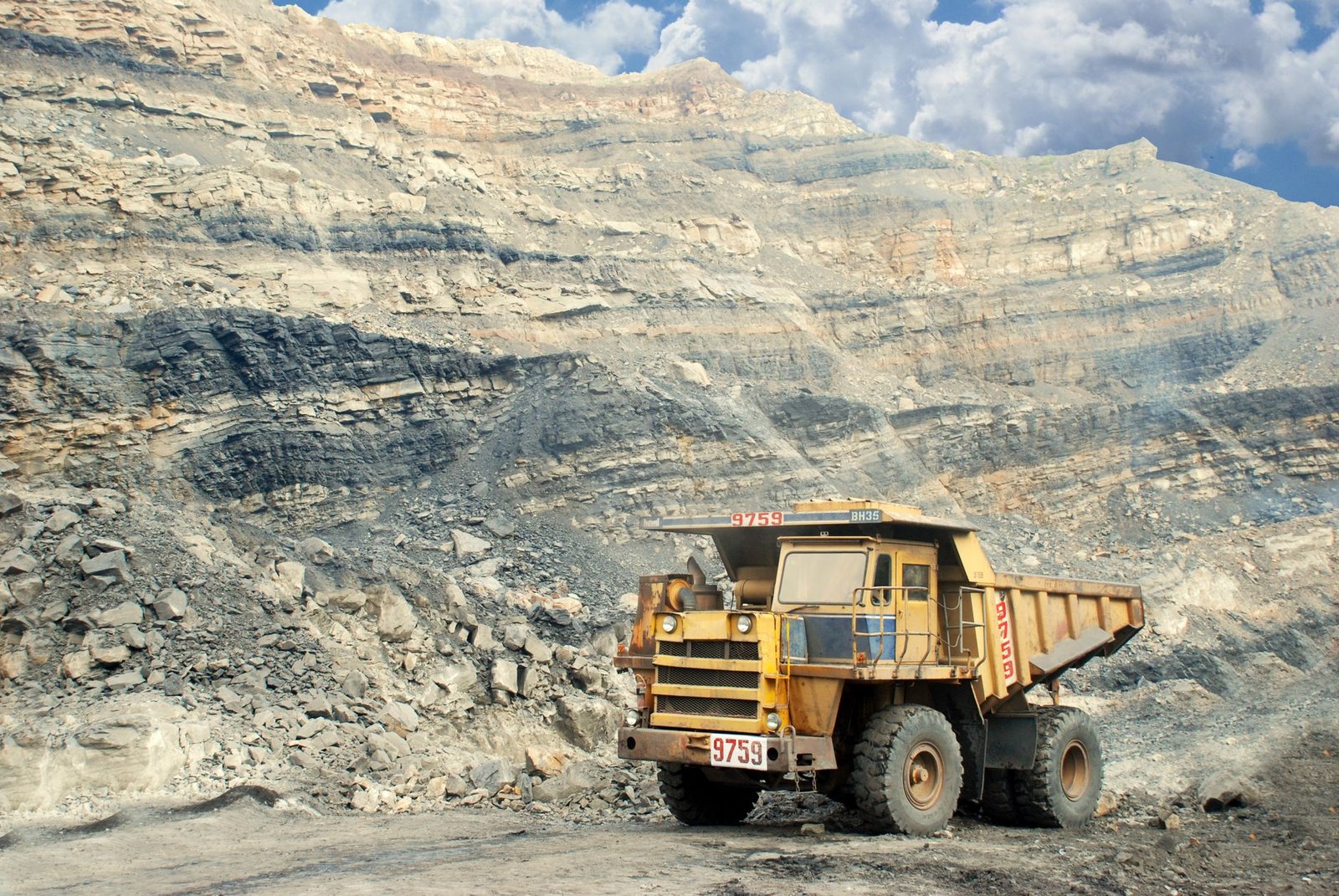
The Democratic Republic of Congo (DRC) has emerged as a vital link in the supply chains for critical minerals. With vast deposits of cobalt, copper, lithium, coltan, and rare earths, the Congolese subsoil holds a decisive share of the raw materials essential for the green energy transition and cutting-edge electronics. For Kinshasa, the challenge is no longer whether these resources are in demand, but how to convert them into sustainable industrial power without repeating the extractivist pattern that has long deprived the country of added value.
The international landscape now favors the DRC. The surge in electric battery demand, the growing need for semiconductors, and the reshaping of logistics chains between Washington, Brussels, and Beijing have positioned the country at the heart of a strategic competition. Yet, this geological centrality alone has never been enough to generate skilled jobs, stable budget revenues, or local transformation. The Congolese challenge is to reverse this historical logic.
Turning mining rents into an industrial fabric
The strategy championed by Congolese authorities hinges on a straightforward principle: capturing greater value downstream of mining operations. This involves on-site refining of cobalt and copper, developing precursor battery production units, and, in the longer term, assembling components for the continental market. The protocol signed with Zambia to create a regional electric battery value chain exemplifies this ambition, alongside ongoing negotiations with partners from the United States, Europe, China, and the United Arab Emirates.
In practice, local transformation faces several structural hurdles. The energy deficit remains severe, despite the Congo River’s hydroelectric potential. Logistics infrastructure, stretching from Katanga to ports on the Indian or Atlantic Oceans, remains costly and vulnerable. Skilled labor is scarce in fine metallurgy and industrial chemistry. Each of these bottlenecks demands long-term investments, difficult to reconcile with short political cycles.
The debt trap and the question of sovereignty
To fund this industrial upgrading, Kinshasa has multiple levers at its disposal: public-private partnerships, joint ventures tied to Gécamines, infrastructure-for-minerals barter mechanisms, and sovereign borrowing. Each comes with risks. The barter model, popularized by Sino-Congolese agreements, secures infrastructure projects but complicates the accurate valuation of ceded mining concessions. Traditional borrowing from markets or multilateral institutions exposes the country to the volatility of cobalt and copper prices.
The recent renegotiation of certain mining contracts, particularly with Chinese partners, signals a drive to rebalance the sharing of mining rents. The DRC aims to secure higher tax revenues, tighter control over export volumes, and the inclusion of local processing clauses. Striking the right balance is tricky: excessive pressure discourages investment, while too little perpetuates dependency. The fiscal tightrope is even narrower given that debt servicing already weighs heavily on the state’s maneuverability.
Governance, regionalization, and the 2030 horizon
The sustainability of the Congolese strategy will also hinge on the quality of its mining governance. Traceability of artisanal cobalt, cracking down on informal circuits, contract transparency, and adherence to environmental and social standards are becoming prerequisites for market access. The Extractive Industries Transparency Initiative (EITI) and supply chain certifications are progressively emerging as indispensable benchmarks.
Furthermore, the regional dimension will be decisive. The African Continental Free Trade Area (AfCFTA) provides a framework to expand the market for a future Congolese battery and advanced materials industry. Collaboration with Zambia, Angola, and Tanzania—centered around the Lobito corridor and the Tazara railway—is shaping the contours of an integrated productive space. Yet, this vision hinges on harmonizing fiscal and customs frameworks among the concerned states.
By the end of the decade, the DRC is playing a high-stakes game. If Kinshasa succeeds in combining fiscal discipline, industrial upgrading, and diversified partnerships, the country could transition from a rentier economy to a transformation-driven one. Otherwise, the power of its resources will remain a potential without tangible benefits for its nearly 100 million inhabitants. The Congolese equation now revolves around converting geological assets into tangible economic sovereignty.