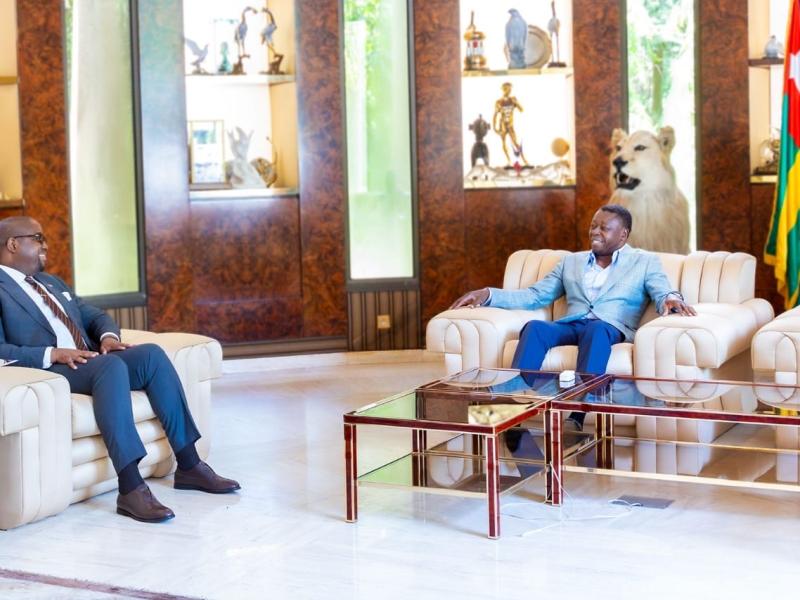
The diplomatic corridors of Lomé witnessed high-level consultations this week as Togolese Prime Minister and African Union mediator Faure Essozimna Gnassingbé engaged in critical discussions with Dr. Floribert Anzuluni, the DRC’s Minister of Regional Integration. The meeting, held at Pya in the Kozah prefecture on July 14, 2026, centered on deepening bilateral cooperation and addressing the persistent security challenges plaguing eastern Democratic Republic of Congo (DRC).
regional stability at the heart of the negotiations
The talks between Gnassingbé and Anzuluni followed a broader regional diplomatic offensive, with the DRC’s envoy first stopping in Kampala to deliver a message from President Félix Tshisekedi to Ugandan leader Yoweri Museveni. These exchanges come amid intensifying hostilities in North Kivu and South Kivu, where the M23 rebel group—allegedly backed by Rwanda according to Kinshasa—continues to expand its territorial control despite ongoing international mediation efforts in Washington and Doha.
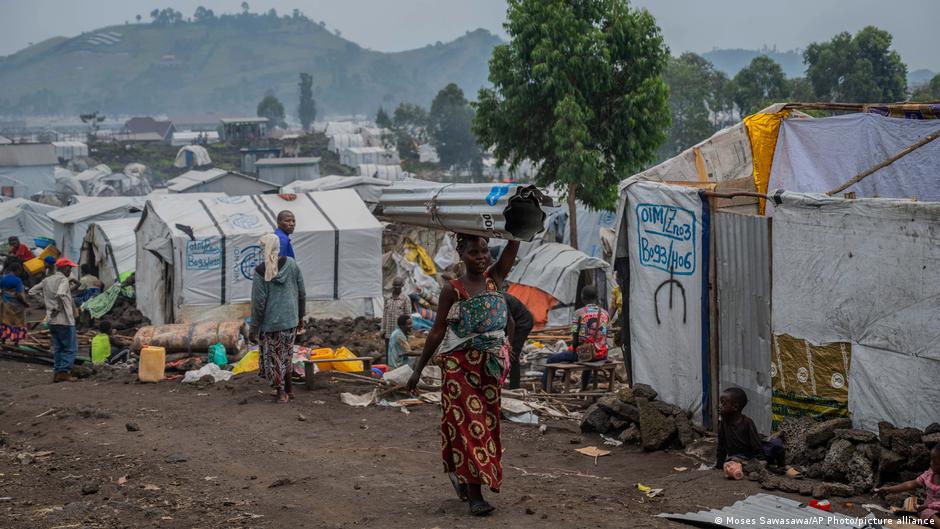
The eastern DRC remains mired in a decades-long cycle of violence, with armed groups exploiting the vacuum to consolidate power. Gnassingbé, serving as the African Union’s designated mediator for the Great Lakes region, emphasized the urgent need for coordinated action among regional stakeholders to restore lasting peace and security.
diplomatic momentum builds across the great lakes
Lomé’s diplomatic engagement is part of a larger strategy to synchronize peacebuilding efforts across the Great Lakes. Gnassingbé’s leadership in hosting a semestrial evaluation session in early June 2026 brought together key facilitators, including former heads of state, regional blocs like the East African Community (EAC) and Southern African Development Community (SADC), and international partners. The session underscored the importance of harmonizing mediation mechanisms to enhance coherence and effectiveness in conflict resolution.
Meanwhile, Kinshasa and Luanda have maintained regular consultations on bilateral relations and regional security, while Burundi’s President Évariste Ndayishimiye—current AU chairperson—has engaged religious leaders and opposition figures in the DRC to foster inclusive dialogue.
A recent state visit by President Tshisekedi to Brazzaville, followed by Congolese counterpart Denis Sassou Nguesso’s meetings in Kinshasa and with Cardinal Fridolin Ambongo, further highlights the diplomatic flurry aimed at stabilizing the region’s political landscape.
the road ahead: unity and sustained action
Gnassingbé’s mediation efforts are not isolated; they are part of a broader continental push for stability. His call for a unified approach reflects the reality that piecemeal solutions have failed to stem the tide of conflict in eastern DRC. The African Union’s role, as championed by Gnassingbé, is to ensure that all initiatives—whether regional, continental, or international—are aligned toward a common goal: durable peace.
The stakes could not be higher. With the M23 controlling significant mineral-rich territories and humanitarian crises worsening, the international community’s patience is wearing thin. Gnassingbé’s leadership in Lomé offers a rare opportunity to reset the regional approach to peace, but success hinges on sustained political will and collective action from all parties involved.
The message from Lomé is clear: without unity and decisive action, the cycle of violence in eastern DRC will persist, with consequences that extend far beyond its borders.