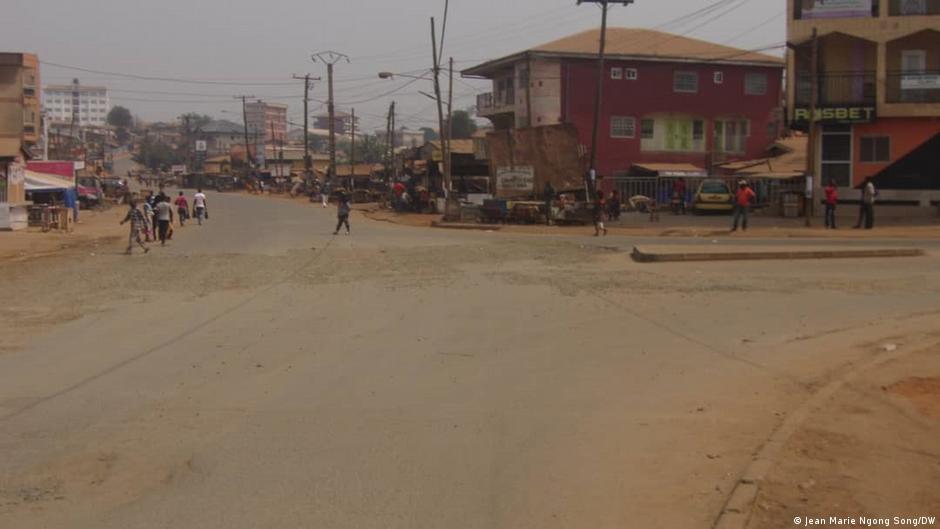
The national route 5 in Cameroon, a critical economic artery linking the bustling port city of Douala to Bafoussam and Bamenda, has deteriorated to alarming levels, earning grim distinctions in road safety statistics.
Years of neglect, coupled with the relentless pressure from heavy truck and intercity bus traffic, have left this vital corridor in a state of disrepair. Climate change has further exacerbated the situation, with increasingly severe rainfall accelerating the erosion of the already fragile asphalt and destabilizing the surrounding terrain.
Journey through a broken road network
Traveling this once-reliable route now feels like navigating a gauntlet. The journey from Douala to Bafoussam, a distance of roughly 250 kilometers, now consumes an exhausting 10 hours—a stark contrast to the previous three-and-a-half-hour commute.
Passengers endure a harrowing experience as torrential rains flood the roadway, washing away sections of pavement and creating gaping potholes. Bus drivers frequently resort to treacherous detours to avoid the most hazardous stretches, adding significant time and stress to an already grueling trip.
A traveler named Alice shared her ordeal: « We’ve been on the road for 14 hours since leaving Bafoussam. The main route is completely impassable in the Haut-Nkam area. We had to take a detour through Yaoundé, even though we weren’t headed there, and then cut through Bagangté to rejoin the Douala-bound axis. Everyone is exhausted and in pain from the constant jolting.»
West Cameroon’s perilous corridor
The rugged terrain of the Western region, combined with the area’s susceptibility to landslides, has earned this route a grim nickname: the « Death Triangle »—a reference to the deadly stretch between Douala, Yaoundé, and Bafoussam. Reports indicate this hazardous corridor claims nearly 100 lives each month.
The devastating landslide near Dschang on November 5, 2024, which buried multiple vehicles and claimed 14 lives, stands as a stark reminder of the road’s vulnerability to natural disasters.
Public outrage over tolls and inaction
With the estimated cost of rehabilitation pegged at 180 billion Central African francs, frustration among motorists and transport operators is reaching a boiling point. Many argue that paying tolls on a road that resembles a battered dirt path is not only unjust but also a gross misuse of public funds.
Mika Séma, a local transporter, voiced his frustration: « Toll fees are supposed to fund road maintenance. How can we justify paying for a route that’s essentially a ruined track? The government must take decisive action to restore this vital link before more lives are lost.»
As climate patterns grow increasingly erratic, the future of the Douala-Bafoussam highway hangs in the balance. Without urgent intervention, this critical economic lifeline will continue to exact a devastating toll on travelers and the nation’s economy alike.