After days of unchecked crude flow, Diffa’s silent crisis demands immediate accountability
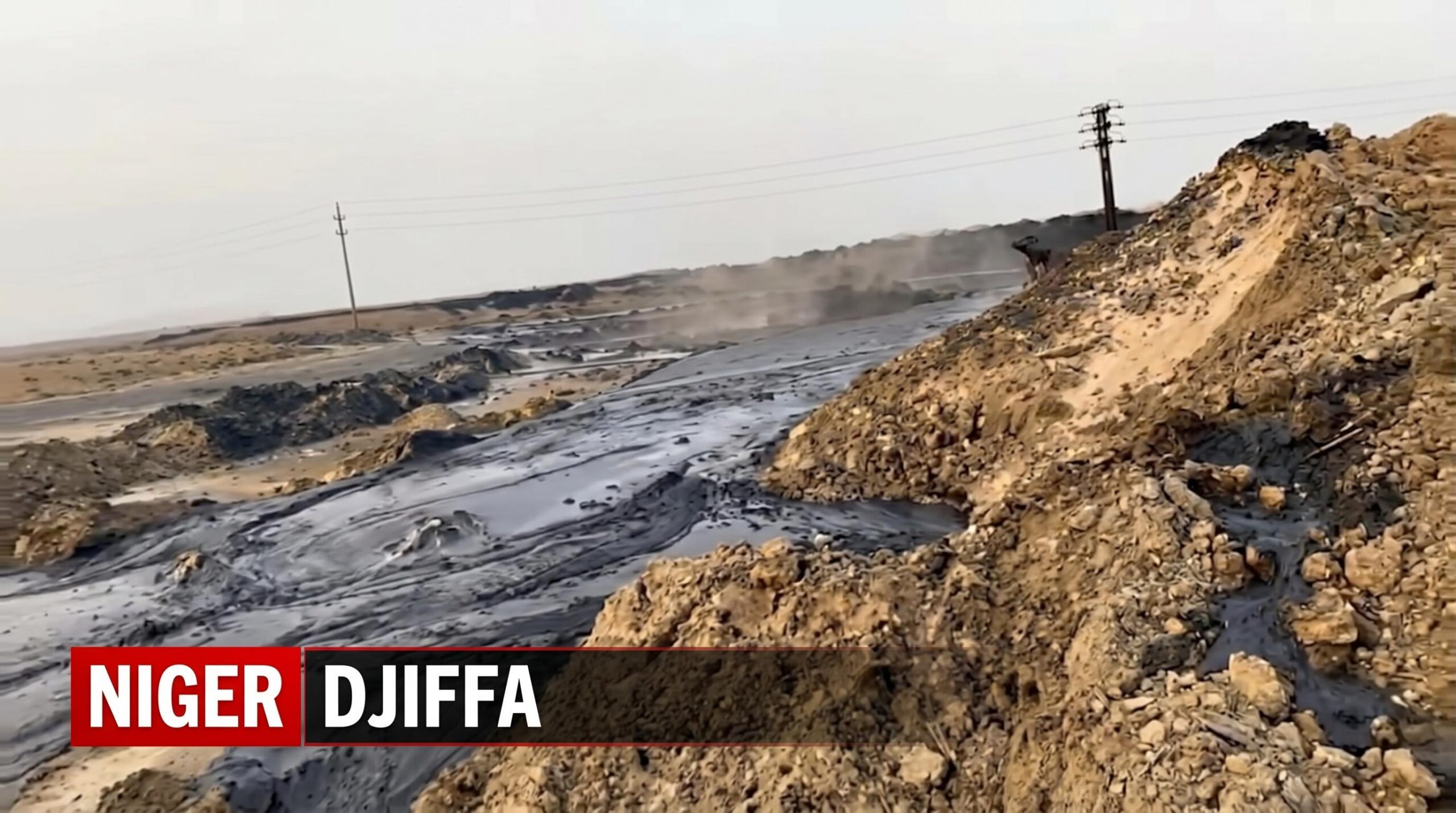
The discovery of a spreading oil slick in Diffa’s eastern region has transformed what should have been a routine safety check into a full-blown environmental emergency. Nearly a week after the first reports emerged, the full extent of the damage remains shrouded in uncertainty, but the ecological and economic fallout is already sparking heated public discussion about Niger’s preparedness for industrial accidents.
With crude oil—a critical component of Niger’s economic aspirations—now threatening local ecosystems and livelihoods, the situation has become a litmus test for the country’s environmental governance. How long will communities need to wait for decisive action, and what lessons will be drawn from this unfolding disaster?
Fueling the fire: how prolonged inaction deepens Diffa’s environmental damage
The longer an oil spill remains unaddressed, the more complex containment and cleanup efforts become. Each hour that passes without intervention allows the crude to seep deeper into the soil, potentially contaminating water sources and disrupting fragile agricultural and pastoral systems that sustain local families.
The immediate priorities are clear: locate the exact source of the leak, halt the flow, and assess the contamination through rigorous field sampling. Yet with each delayed response, the window for effective mitigation narrows. Experts warn that without rapid, coordinated action, the spill could leave permanent scars on Diffa’s land and water—impacts that may ripple through the region for generations.
Hidden risks beneath the surface: what’s truly at stake?
- Soil degradation: Crude oil can render agricultural land unusable, threatening food security for subsistence farming communities.
- Water contamination: If the spill reaches surface or underground water sources, entire villages could face unsafe drinking water and disrupted irrigation systems.
- Economic fallout: Local markets reliant on livestock or crops may collapse if contamination spreads, pushing families deeper into poverty.
- Health hazards: Prolonged exposure to crude oil fumes or contaminated resources can lead to respiratory issues and other long-term health problems.
The longer authorities fail to provide transparent updates, the more the public debate intensifies. Who is responsible for failing to prevent this disaster? Are existing safety protocols in place, and why were they not enforced ahead of this spill?
Transparency or turmoil: why Niger can’t afford another information blackout
A crisis of this magnitude requires clear, consistent communication from those in charge. Yet questions remain unanswered: Has the leak been precisely located? What steps have been taken to contain the spread? Have affected communities been warned about potential risks?
The absence of reliable information fuels speculation, erodes public trust, and makes it impossible to assess the true cost of this disaster. For a nation banking on oil revenues to drive development, silence is not an option. The public has a right to know the full extent of the threat—and the measures being taken to address it.
From warnings to action: what Diffa’s spill reveals about Niger’s priorities
The Nigerien government faces a critical moment. Will this incident reinforce the need for stricter environmental oversight, or will it be treated as an unavoidable byproduct of economic progress? The response to this spill will set a precedent for how future industrial accidents are managed—and whether Niger’s natural resources can be exploited without sacrificing environmental and public health.
Already, voices in the community are calling for accountability. If negligence is proven, strict penalties must be enforced. Full-scale cleanup efforts should follow, along with reparations for affected households. But prevention must also take center stage: regular infrastructure maintenance, enhanced monitoring, and swift crisis protocols could avert future tragedies.
A call for lasting change, not just cleanup
Diffa’s environmental crisis is more than a localized incident—it is a wake-up call for Niger’s environmental policies and corporate accountability. The true measure of progress lies not in reactive measures, but in proactive safeguards that prioritize both economic growth and ecological preservation.
As the debate unfolds, one truth is undeniable: Diffa cannot be forgotten. The lives and livelihoods of its people hang in the balance, and the decisions made in the coming weeks will determine whether this spill becomes a turning point—or another stain on Niger’s environmental record.
Three urgent steps to salvage Diffa’s future
- Immediate leak containment: Deploy specialized teams to identify, cap, and halt the flow of crude oil before further damage occurs.
- Public disclosure: Provide transparent, frequent updates on the spill’s assessment, containment efforts, and health advisories for local residents.
- Long-term restoration: Implement a comprehensive plan to decontaminate affected areas, restore ecosystems, and compensate communities for lost livelihoods.
The question facing Niger today is not whether to act, but how swiftly—and whether the lessons of Diffa will shape a more responsible approach to resource management for years to come.