
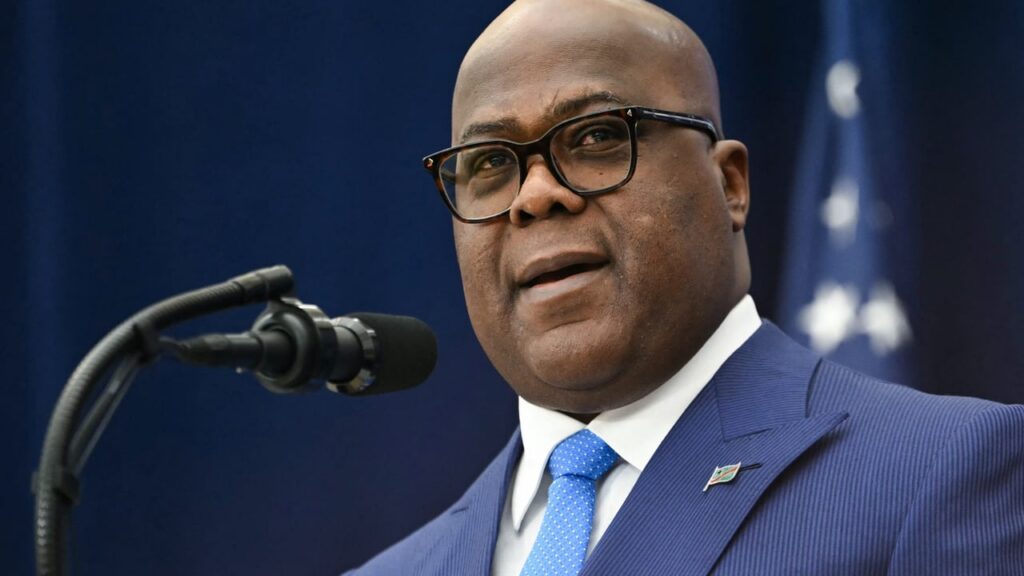
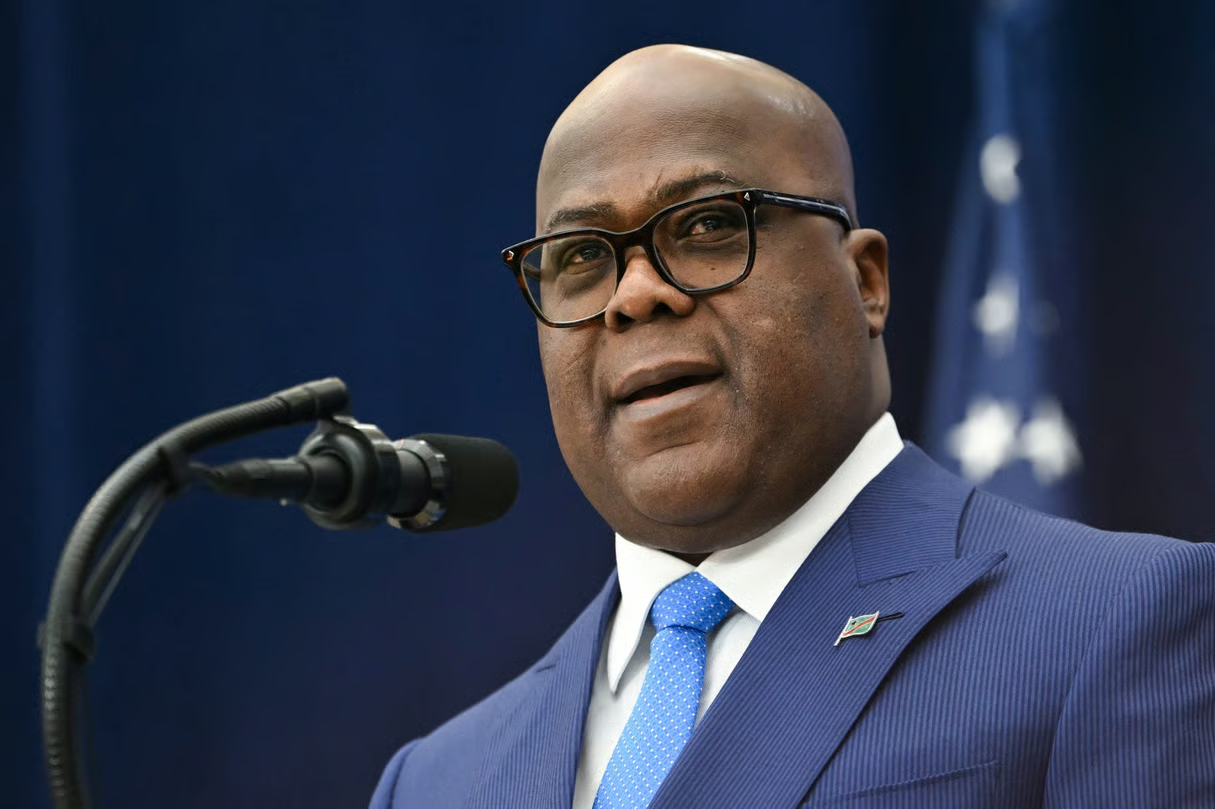
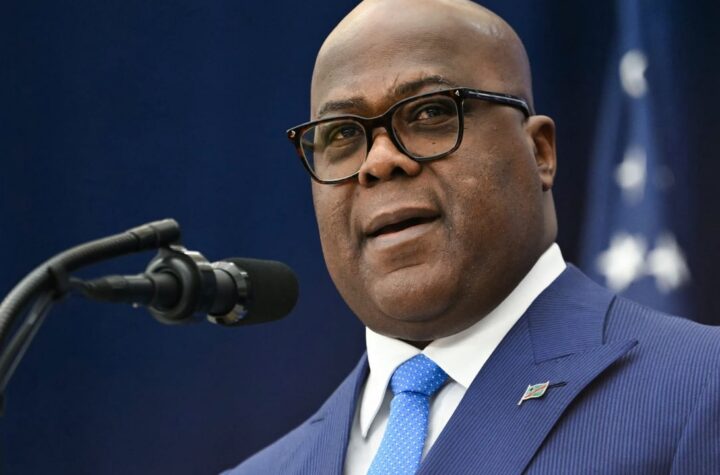
The Constitutional Court of the Democratic Republic of Congo (DRC) has delivered a landmark ruling, endorsing the constitutional amendment that paves the way for President Félix Tshisekedi to seek a third term in office.
The decision, announced today, marks a pivotal moment in the political landscape of the DRC, sparking intense debate across the nation. Legal experts and opposition figures have already begun scrutinizing the implications of the ruling, which hinges on a reinterpretation of term limits outlined in the Constitution.
Constitutional reinterpretation sparks controversy
The court’s verdict hinges on a contentious legal interpretation that redefines the application of term limits. Critics argue that the ruling contradicts the spirit of the Constitution, which was designed to prevent prolonged executive power. Supporters, however, contend that the decision aligns with the law as written, emphasizing the importance of judicial independence in resolving constitutional ambiguities.
The controversy surrounding the ruling has intensified public discourse, with Félix Tshisekedi’s supporters hailing it as a victory for democratic principles, while opponents warn of potential risks to the country’s stability and governance.
Reactions and political fallout
The court’s decision has triggered a wave of reactions from political leaders, civil society groups, and international observers. Félix Tshisekedi’s administration has framed the ruling as a triumph for the rule of law, asserting that it ensures continuity in governance and policy direction. Meanwhile, opposition leaders have condemned the move, labeling it an attempt to undermine democratic norms and concentrate power.
The political fallout has extended beyond the DRC’s borders, with regional and international stakeholders closely monitoring the situation. Analysts suggest that the ruling could have far-reaching consequences for the country’s political stability and its relationships with neighboring nations.
What’s next for the DRC?
With the legal pathway now cleared, the focus shifts to the upcoming electoral process and the potential implications for the nation’s future. President Félix Tshisekedi has yet to formally announce his candidacy, but political observers anticipate a highly contested race. The DRC’s electoral commission is expected to outline the timeline for voter registration and election preparations in the coming weeks.
The ruling has also raised questions about the role of the judiciary in shaping the country’s political trajectory. Legal scholars are divided on whether the decision sets a precedent for future constitutional interpretations or remains an isolated case with limited broader impact.
As the nation braces for the next chapter in its political journey, the eyes of both domestic and international audiences remain fixed on the developments unfolding in Kinshasa.
More Stories
Tony Elumelu’s UBA bank poised to secure full banking license in France, strengthening Paris-Lagos economic ties
Niger’s diplomatic shift: does symbolism outweigh security gains?
Côte d’Ivoire’s pnd 2026-2030: a strategic blueprint for national progress