In the eastern Democratic Republic of the Congo (DRC), violations of international humanitarian law continue unabated despite repeated commitments from authorities and international partners. The International Committee of the Red Cross (ICRC) has raised urgent concerns about the persistent disregard for these critical legal frameworks, particularly in conflict-affected zones where civilian populations bear the brunt of the crisis.
Why humanitarian protections are failing in eastern DRC
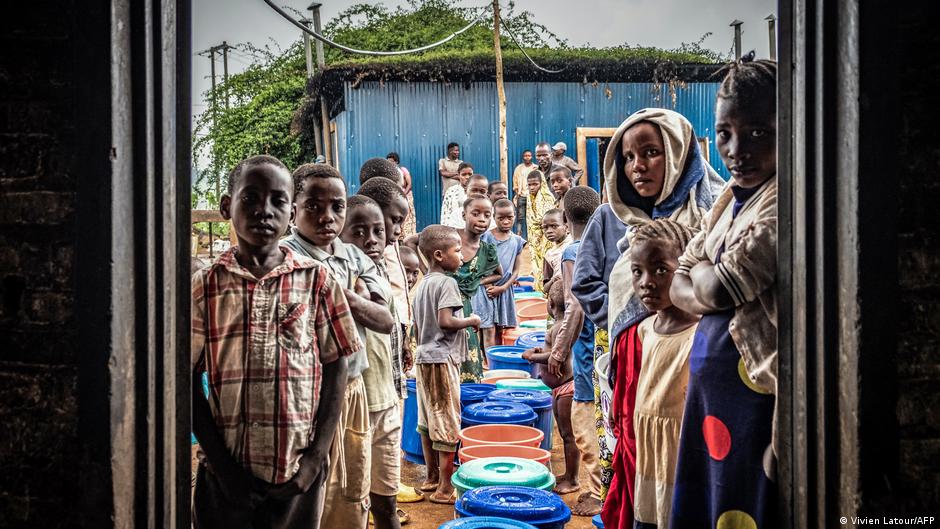
The eastern provinces—North Kivu, South Kivu, Ituri, and parts of Tanganyika—remain hotspots for armed group activity, with over 200 armed factions operating in fragmented alliances. This proliferation of non-state actors has eroded the distinction between combatants and civilians, a cornerstone of international humanitarian law, leaving communities increasingly vulnerable to violence, displacement, and systematic abuses.
“Sexual violence has reached catastrophic levels. Every minute, women, girls, and children—though men and boys are not spared—face unimaginable atrocities,” warns Julienne Lusenge, a prominent human rights activist and co-founder of a local women’s rights organization. She emphasizes the need for global accountability, noting that “no international case has ever resulted in justice for these crimes.” Lusenge calls for stronger legal mechanisms to prosecute perpetrators and deter future violations.
Military justice takes action, but gaps remain
The DRC’s military justice system has initiated proceedings against soldiers accused of human rights abuses, aiming to curb impunity through deterrence and public education. Major General Jean-Paul Tshayikolo, a military magistrate, asserts that these trials serve a dual purpose: punishing wrongdoers while reinforcing professional standards within the armed forces. “While no system can guarantee zero impunity, military justice plays a vital role in holding perpetrators accountable,” he explains. “The rulings not only punish offenders but also educate other servicemembers about acceptable conduct.”
However, challenges persist. The sheer number of armed groups—many of which form temporary coalitions—complicates efforts to identify responsible parties and enforce accountability. Lusenge stresses that “without international pressure and robust legal frameworks, these crimes will persist.”
Urgent calls for systemic change
With civilians caught in the crossfire of shifting alliances and unchecked violence, the ICRC and human rights advocates are urging a multi-pronged approach: strengthening security sector reforms, enhancing civilian protection measures, and ensuring that international humanitarian law is not just acknowledged but actively enforced. The situation demands immediate action to prevent further suffering and restore dignity to affected populations.