DRC’s ADF attacks spark outrage: civilian death toll rises in Ituri region
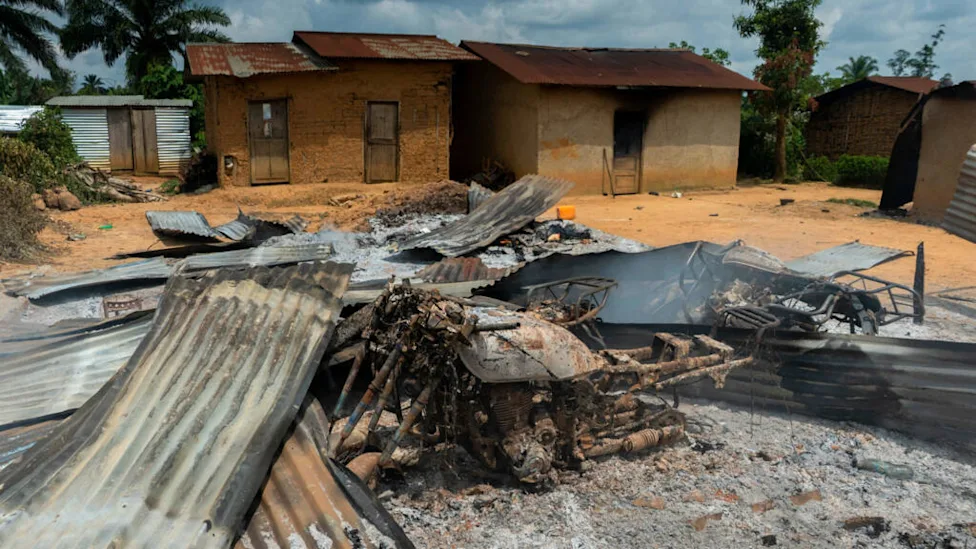
The escalating violence in the Democratic Republic of Congo’s Ituri region has left communities reeling after fresh attacks by the Allied Democratic Forces (ADF) claimed at least 44 civilian lives. The latest assaults have triggered widespread condemnation as survivors recount harrowing scenes of terror and displacement.
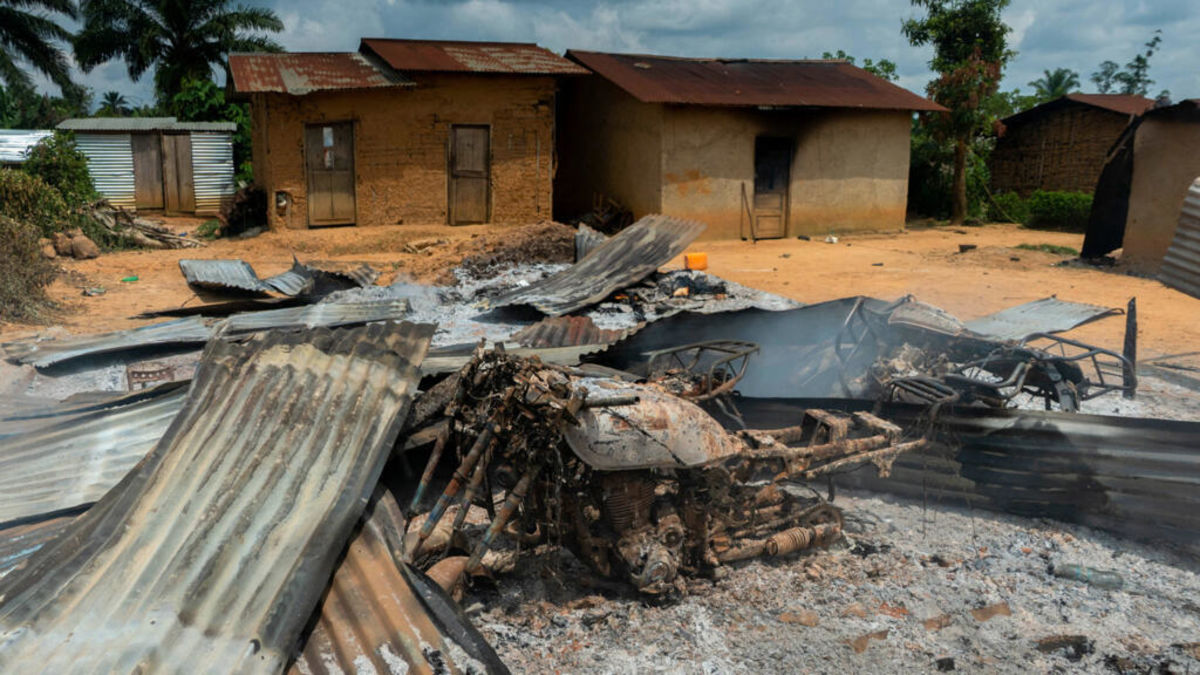
The brutal raids targeted multiple villages within the Bangole cluster on November 12, with preliminary reports indicating 14 fatalities. This grim tally follows earlier attacks in the Babila Babombi chiefdom, where local sources now confirm over 30 additional deaths. Authorities warn the final death toll may climb further as inaccessible areas come under assessment.
Residents in Mambasa territory—home to extensive cacao plantations—have faced relentless violence since early November. Human rights advocates first sounded the alarm on November 2, documenting systematic intimidation by armed groups. A local civil society leader, requesting anonymity, dismissed economic motivations as the sole driver: “Recent incursions have also struck the neighboring Haut-Uele province, where cacao cultivation is nonexistent. This suggests broader, coordinated aggression.”
The human cost behind the numbers
The attacks have exposed deep vulnerabilities in eastern DR Congo’s security apparatus. Survivors describe chaotic scenes as militants overran villages, targeting civilians with indiscriminate violence. Many displaced families now shelter in overcrowded makeshift camps, where food and medical supplies remain critically scarce. Aid organizations report mounting strain on emergency response systems, with roads blocked by ongoing clashes hindering evacuation efforts.
In Bangole, entire communities have been wiped out overnight. “We lost neighbors, crops, and our sense of security,” recounted a local farmer. “The attackers burned houses and stole livestock before fleeing into the bush.” Similar testimonies emerge from Haut-Uele, where witnesses describe gunmen arriving on motorcycles at dusk, leaving no time for escape.
What’s driving the unrelenting violence?
While the ADF has historically exploited economic vacuums—particularly in resource-rich zones—experts now highlight shifting tactics. “This expansion into non-cacao areas signals a strategic shift,” noted a regional analyst. “The insurgents appear to be consolidating control over supply routes and recruiting disaffected youth under the guise of self-defense.”
Local leaders point to porous borders and weak governance as critical enablers. “Without coordinated military and civilian action, these attacks will persist,” warned a regional official. Analysts further note that recent military gains in other theaters may have inadvertently pushed insurgent factions toward softer targets in Ituri.
International calls for urgent intervention
The mounting civilian casualties have drawn international condemnation, with global actors urging Kinshasa to prioritize protection of at-risk populations. “This is a humanitarian crisis demanding immediate attention,” stated a United Nations representative. “We urge authorities to ensure safe access for relief workers and restore basic services.”
Meanwhile, regional blocs are weighing responses, though divisions persist over deployment of peacekeeping forces. “Diplomatic solutions must complement military efforts,” emphasized a regional diplomat. “The cycle of violence will only break with sustained, multi-pronged engagement.”
What lies ahead for Ituri’s traumatized communities?
As the death toll climbs, the path forward remains uncertain. Civil society groups advocate for community-led reconciliation initiatives, alongside scaled-up disarmament programs. “Victims need more than temporary shelter—they require justice and lasting stability,” stressed a local advocate.
The DR Congo government has pledged intensified operations against the ADF, but skepticism lingers among civilians accustomed to broken promises. With elections looming, political leaders face mounting pressure to address both security threats and humanitarian fallout.
The coming weeks will determine whether Ituri’s shattered communities can begin rebuilding—or if the specter of violence will continue to haunt their lives.