Democracy in Africa: between decline and resilience
The state of democracy in Africa today is marked by sharp contrasts: while some nations make steady progress toward democratic governance, others are experiencing alarming setbacks in political freedoms. The continent stands at a crossroads, with military coups, rising authoritarianism, and political crackdowns undermining hard-won democratic gains in certain regions. Yet, the demand for accountable governance, citizen mobilization, and peaceful transitions of power demonstrates that the spirit of democracy remains deeply rooted across Africa.
Recent analyses from 2025 and 2026 highlight a troubling trend of democratic decline in multiple African regions. Key challenges include:
- The rise and consolidation of military regimes in the Sahel, including Mali, Burkina Faso, and Niger.
- Delays or outright challenges to electoral processes in several countries.
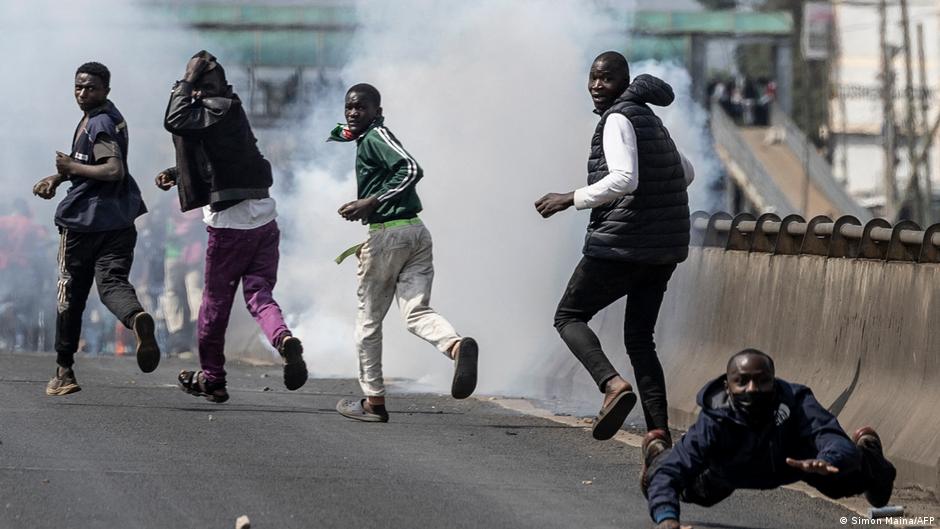
- Increasing restrictions on political opposition, media outlets, and civil society organizations.
- Constitutional amendments allowing leaders to extend their time in power.
While elections continue to be held in many states, questions about their fairness and credibility persist. Observers note that the integrity of these processes is often compromised, casting doubt on their legitimacy.
Signs of democratic resilience
Despite these setbacks, Africa’s democratic landscape is not defined solely by decline. Several nations stand out for their commitment to pluralism and peaceful transitions.
Countries such as Senegal, Cape Verde, Botswana, Seychelles, and Ghana are frequently cited as models of political openness and electoral integrity. Recent elections in these nations have shown that citizens still hold leaders accountable at the ballot box.
Afrobarometer surveys further reveal that Africans overwhelmingly value democratic principles and demand greater transparency, accountability, and civic participation. The findings underscore that citizen engagement remains a cornerstone of democratic governance, with populations continuing to advocate for their right to inclusive and responsive leadership.
The role of Africa’s youth
Africa’s young people are playing a pivotal role in shaping the continent’s democratic future. Across the region, youth movements are pushing for:
- Greater electoral transparency.
- Stronger anti-corruption measures.
- Enhanced governance and service delivery.
- Economic opportunities and social justice.
Key challenges ahead
- Restoring constitutional order in countries governed by military juntas.
- Ensuring the independence of electoral and judicial institutions.
- Enforcing presidential term limits and respecting constitutional norms.
- Protecting public freedoms, including press freedom, political opposition, and civil society.
- Addressing socio-economic expectations, particularly among young people.
To explore these critical issues, Éric Topona welcomes three distinguished guests:
- Tolojanahary Ndrasana from Transparency International
- Abdou Coly from CorpsAfrica Senegal
- Aissatou Ndeye Camara from the Friedrich-Ebert-Stiftung Foundation in Dakar