DRC’s shifting power dynamics: Kabila leads new armed coalition amid rising tensions
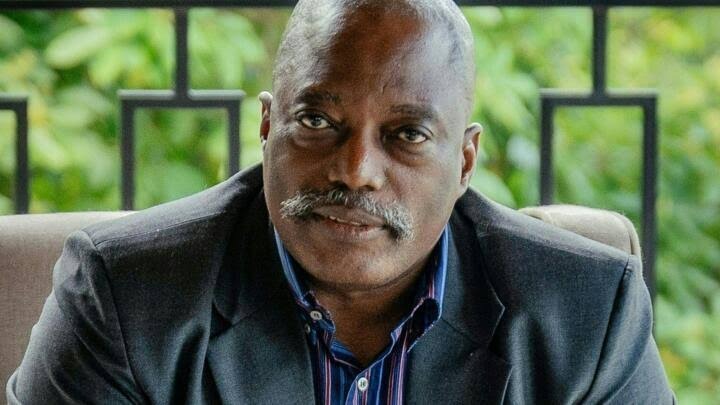
The Democratic Republic of Congo faces a new chapter in its prolonged political and military crisis as former President Joseph Kabila assumes leadership of the Front for the Refoundation of the Nation (FRN), a freshly announced politico-military coalition unveiled on October 12 in Goma. The initiative brings together prominent figures from the Alliance of the Congo River (AFC) and the March 23 Movement (M23), both of which have been locked in confrontation with President Félix Tshisekedi‘s administration.
Addressing the media, Claude Ibalanky, a senior advisor to the FRN, framed the alliance as a united front against what he described as an abusive and corrupt regime. The coalition’s rhetoric explicitly endorses resistance, including armed struggle, to challenge Kinshasa’s authority. However, critical details—such as operational timelines or military strategies—remain conspicuously absent, fueling uncertainty about the movement’s immediate next steps.
Who leads the new coalition?
The FRN’s leadership team has been strategically crafted to merge political influence with military command. Joseph Kabila steps into the role of chairman, while Corneille Nangaa, former head of the Independent National Electoral Commission and leader of the AFC, and Bertrand Bisimwa, political leader of the M23, have been appointed as vice presidents. Overseeing the armed wing of the coalition is General Sultani Makenga, longtime military commander of the M23, who now leads the Revolutionary Congolese Army’s general staff. Rounding out the executive team, Freddy Rukema Kaniki has been named secretary-general.
The coalition’s formation also signals a structural shift within the AFC and M23. According to the FRN’s founding charter, the alliance formally replaces the AFC, effectively dissolving the latter. However, the document offers no clarity on the future status or integration of the M23 within this new framework.
Mounting grievances against Kinshasa
The FRN’s manifesto is laced with accusations levelled at the government in Kinshasa, painting a picture of institutional decay, systemic corruption, and deepening social inequality. The coalition alleges that President Tshisekedi’s administration has weakened democratic governance, engaged in electoral fraud, and pursued discriminatory policies that marginalize key regions. Critically, the FRN questions the legitimacy of the 2023 electoral process, although these claims cannot be independently verified.
In their declaration, FRN leaders vow to dismantle what they view as a tyrannical government—using all available means to achieve their objectives. While the rhetoric is forceful, the absence of a clear operational roadmap raises concerns about the coalition’s cohesion and long-term viability.
Conflict in the east and diplomatic crosscurrents
The announcement arrives at a precarious moment in the DRC’s eastern provinces, where the M23 and allied armed groups continue to wage a deadly insurgency. Since 2025, rebel forces have seized control of large swaths of territory, including the strategic city of Goma. The United Nations and Western governments have repeatedly accused Rwanda of providing military and logistical support to the M23, a charge Kigali vehemently denies.
Diplomatic efforts to calm tensions have intensified, including high-level talks in Doha and ongoing negotiations between Kinshasa and Kigali. Yet the FRN’s statement accuses the government of failing to honor ceasefire agreements and release detainees—claims echoed by the coalition but not independently corroborated. This narrative underscores a widening chasm between rebel factions and state authorities, complicating efforts to restore peace.
A shadowy figure returns to the spotlight
The emergence of the FRN catapults Joseph Kabila back into the center of Congo’s political and military maelstrom. Once a dominant leader from 2001 to 2019, Kabila has long denied any formal connection to the M23. Yet Kinshasa has consistently accused him of clandestinely backing the rebel group, culminating in a 2025 in absentia conviction on charges including treason, war crimes, and rebellion. Kabila dismisses the proceedings as politically motivated and insists on his constitutional innocence.
As of now, the government has not issued an official response to the FRN’s formation. The creation of this alliance places Kabila in a pivotal—and potentially destabilizing—role, thrusting him to the forefront of a movement that openly endorses armed struggle. Yet key questions linger: How exactly does the M23 fit into this new structure? What is the coalition’s military strategy, and how will it impact peace negotiations? One thing is certain: the DR Congo’s political landscape has entered uncharted waters.