Financial Shortfalls Threaten UN’s Independent Probe into Eastern DRC Violence
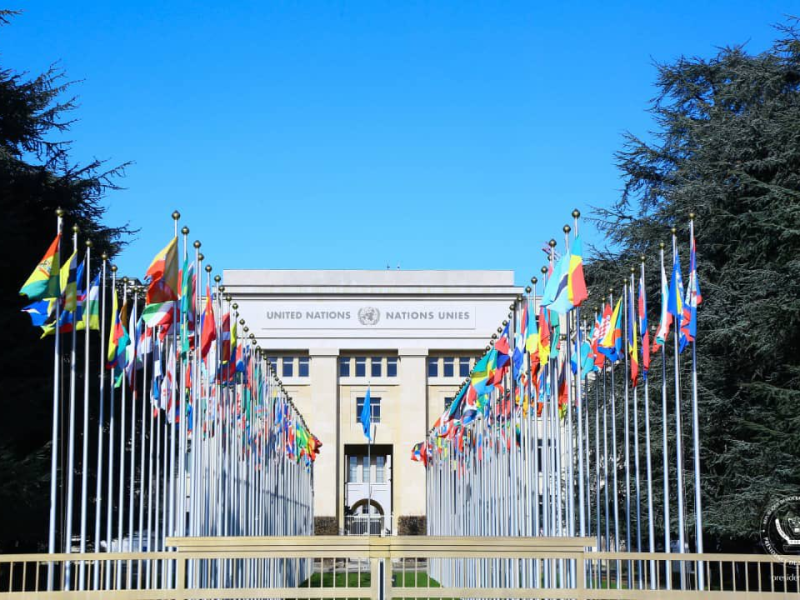
Geneva’s Human Rights Council witnessed a rare hearing this week as the UN’s Independent Commission of Inquiry on Human Rights Violations in the Democratic Republic of Congo’s eastern provinces presented its initial findings. The Commission, which recently completed its maiden mission to Kinshasa, outlined both its progress and the mounting challenges it faces in documenting atrocities in North Kivu and South Kivu.
During its first week-long assessment in the DRC capital, the Commission conducted extensive consultations with victims’ support groups, human rights defenders, civil society representatives, government officials, United Nations entities, diplomats and national human rights institutions. However, persistent security threats in eastern Congo prevented the team from reaching Goma, a critical hub for conflict monitoring.
The Commission has pledged to deploy to affected areas as soon as conditions permit, but its operational capacity is being severely compromised by financial constraints plaguing the United Nations system. These funding shortages have directly impacted the Commission’s ability to conduct thorough investigations, deploy mobile teams, provide essential interpretation services, conduct analytical work and maintain sustained field presence.
« The broader financial constraints facing the United Nations have directly undermined our operational capabilities, from investigative deployments to analytical support and mission funding. Yet despite these challenges, we remain unwavering in our commitment to fulfill our mandate with the independence, rigor and urgency that these grave situations demand. The suffering we’ve been entrusted to address requires nothing less than meticulous investigation and resolute international action. »
The Commission emphasized the critical importance of safe, unimpeded humanitarian access for all vulnerable populations—women, children, persons with disabilities, the elderly and other at-risk groups—particularly in light of the ongoing Ebola response operations in conflict zones.
« Humanitarian workers, medical personnel and protection actors must be able to reach affected communities safely to deliver life-saving assistance, » Akodjenou stressed. He cautioned that no victim, witness, human rights defender, journalist or community representative should face intimidation, retaliation or reprisals for cooperating with UN mechanisms, including the Commission of Inquiry.
The Council tasked the Commission with establishing facts, preserving evidence, identifying perpetrators for accountability and examining the root causes of recurring violence cycles in the region. « This work has already begun, » Akodjenou noted. « Protecting the safety, dignity and trust of victims and witnesses is paramount to ensuring justice and preventing further atrocities. »
The Independent Commission was established by the UN Human Rights Council on February 7, 2025, during a special session addressing the deteriorating human rights situation in eastern DRC. Its mandate includes investigating alleged violations of international human rights and humanitarian law, with particular attention to gender-based violence, crimes against displaced and refugee populations, and potential international crimes amid the escalation of hostilities that began in January 2025.