Controversy Surrounds Russian Language Curriculum as Geopolitical Tensions Rise
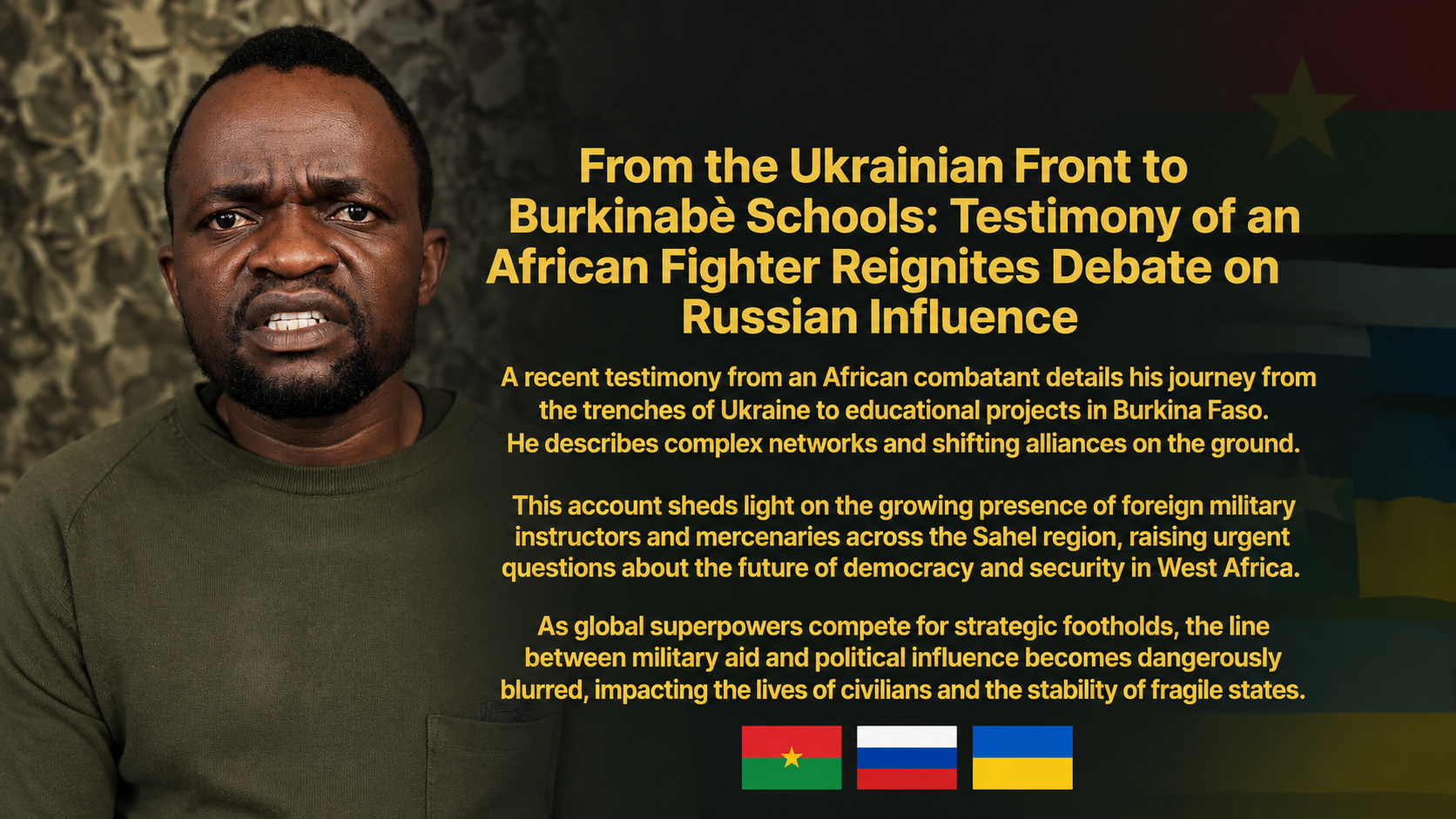
The recent arrest in Ukraine of a Zimbabwean fighter who served in Russian ranks has reignited discussions about foreign recruitment in the ongoing conflict. The individual, whose identity has drawn significant attention, described harrowing experiences, warning others about the deceptive promises made by certain Russian-linked recruiters. His account highlighted the brutal realities of combat, the staggering human cost, and the distress faced by families of deceased or missing soldiers due to lack of transparency.
While his testimony is deeply personal, it intersects with a broader pattern: Russia’s intensified efforts to expand its influence across Africa. Over the past years, Moscow has launched a concerted campaign involving diplomacy, military cooperation, economic initiatives, and cultural exchanges to strengthen ties with multiple African nations. This push occurs against the backdrop of a global landscape reshaped by the war in Ukraine.
Burkina Faso’s Educational Shift Raises Questions
In Burkina Faso, this geopolitical maneuvering is taking a tangible form. The government has announced plans to gradually integrate Russian language instruction into the national school curriculum starting in the upcoming academic year. Authorities frame the move as an opportunity to diversify international partnerships, provide students with new academic avenues, and foster exchanges with the Russian Federation.
Yet, the initiative has sparked division. Critics argue that the decision reflects a deeper strategic alignment between Ouagadougou and Moscow, one that warrants open and transparent public debate. Supporters, however, contend that sovereign nations have the right to expand their international alliances without facing accusations of political realignment.
Language itself is not the issue. Like English, Mandarin, Arabic, or Spanish, Russian serves as a gateway to scientific research, academic collaboration, and professional opportunities. The debate centers instead on the timing and context of this educational reform, particularly as Russia remains embroiled in a major conflict and pursues an aggressive influence campaign across multiple regions.
Human Costs of Foreign Recruitment Highlighted
The account from the Zimbabwean fighter underscores the dangers facing African nationals lured by promises of financial compensation, training, or overseas prospects. Reports of foreign fighters being recruited with limited understanding of the realities on the ground have emerged repeatedly. The human toll—both for the fighters and their families—often proves devastating.
In Burkina Faso, this context compels a more informed and balanced national conversation. Citizens deserve clarity on the precise objectives behind the Russian language initiative, the agreements that accompany it, the potential benefits for Burkinabè youth, and the safeguards in place to protect the autonomy of the national education system.
Education as a Foundation for Critical Thinking
Beyond the controversy, one truth remains clear: the future of Burkina Faso’s youth hinges on the quality of their education, the breadth of knowledge they acquire, and their ability to think critically about contemporary global challenges. Educational choices must be evaluated with honesty, transparency, and factual grounding, ensuring that today’s decisions serve the long-term interests of the nation and its people for generations to come.