The northern region of Togo is grappling with an escalating terrorist threat emanating from the Sahel, but the presence of foreign military and paramilitary forces in the country has sparked intense controversy in Lomé. A joint statement released by opposition coalitions and civil society groups on July 20, 2026, directly challenges the administration of President Faure Gnassingbé. Issues of institutional opacity, questions surrounding the Africa Corps’ Russian personnel, and security contracts with the Turkish firm SADAT have thrust national sovereignty and transparency into the spotlight of public discourse.
Opposition unites to demand government accountability
The political pressure in the Togolese capital is intensifying. An alliance of opposition groups, including the original Dynamique Monseigneur Kpodzro (DMK), the Dynamique pour la majorité du peuple (DMP), the Lumière pour le développement dans la paix (LDP) movement, and the Front « Touche pas à ma Constitution », has broken its silence with a collective statement. At the heart of their concerns is the deployment of foreign military and paramilitary personnel on Togolese soil, particularly in the Savanes region—a northern area bordering Burkina Faso that has long been affected by armed extremist incursions.
The signatories argue that while security challenges are real, they cannot justify the government’s complete lack of transparency. With official communication remaining absent, these political and civic organizations are demanding a transparent clarification of the legal status, precise missions, and regulatory framework governing the presence of these foreign operatives.
Controversial actors fuel suspicions and opacity
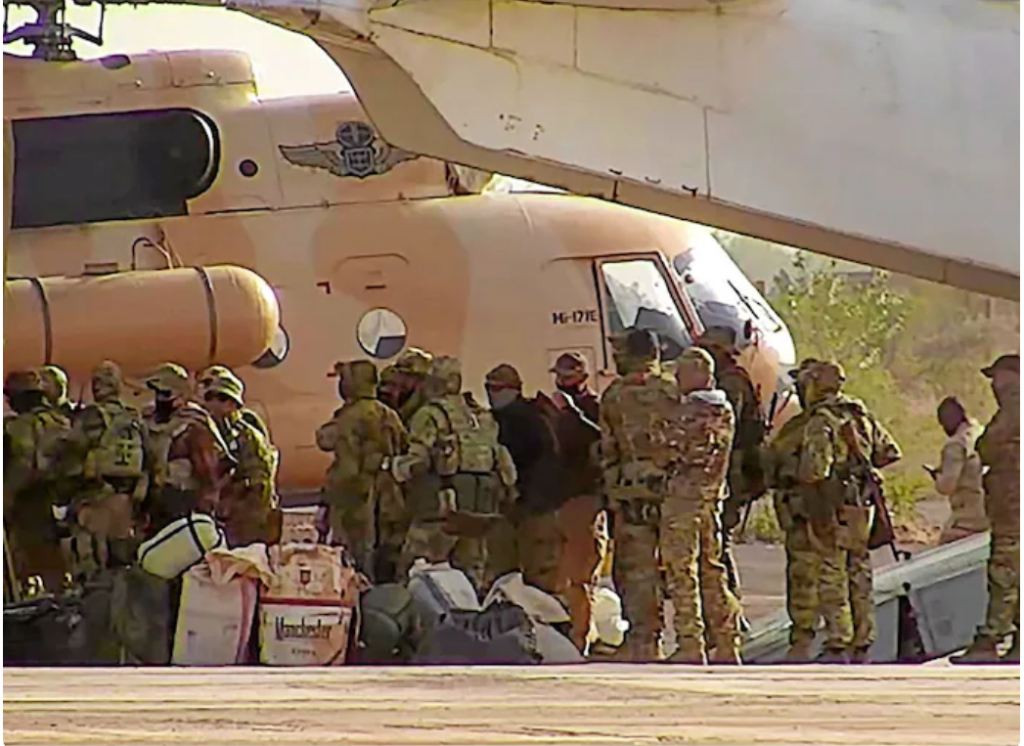
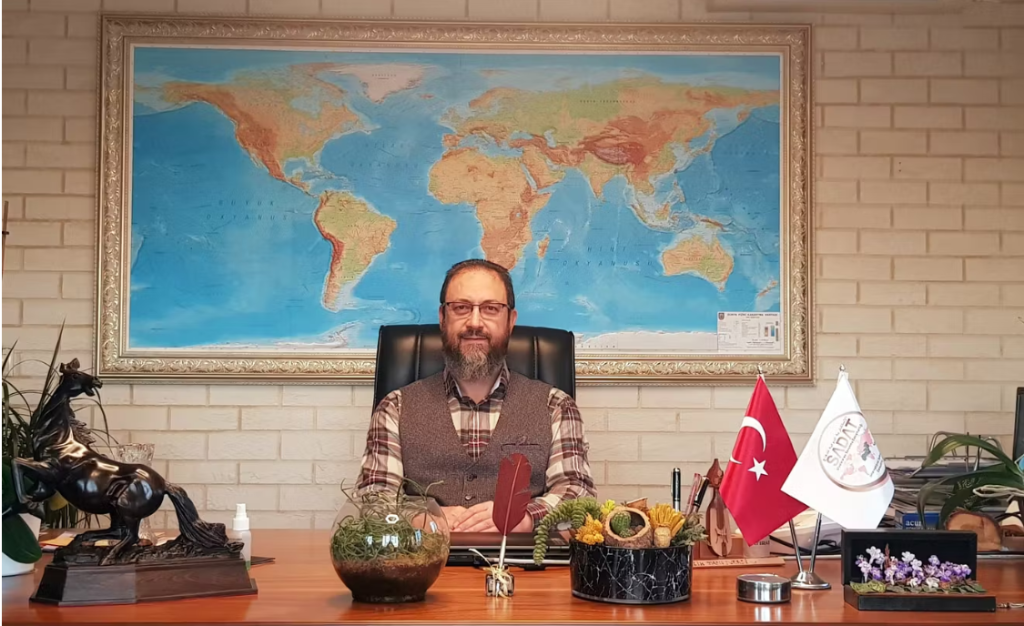
The coalition’s concerns center on two prominent state and private entities known for their operations across the Sahel and Gulf of Guinea. First, the opposition highlights the suspected presence of the Africa Corps, Moscow’s restructured security apparatus on the African continent. Citing reports from international media, signatories allege the potential deployment of around 350 Russian personnel in Togo. Second, the Turkish private military company SADAT, widely believed to maintain close ties with Ankara, is suspected of providing technical assistance, training, or operational guidance to local forces.
To date, neither Lomé, Moscow, nor Ankara has confirmed these claims or provided verified figures. This informational void has fueled speculation about the actual roles of these teams—are they merely technical instructors, intelligence experts, or combat units directly involved in tactical operations?
The sovereignty dilemma: legal frameworks and financial costs
While the opposition does not outright reject the principle of strategic partnerships to protect national territory, it underscores critical institutional and legal blind spots in governance. The command structure and adherence to the law emerge as pivotal issues. The groups insist that any foreign personnel must operate under the formal authority of the Togolese Armed Forces (FAT) and comply with national and international legal norms.
Another major concern is the potential infringement on civil liberties. The joint statement firmly demands that foreign operatives refrain from participating in public order maintenance, targeted arrests, surveillance, or intimidation of civilians and local political figures.
The financial burden on taxpayers also remains unresolved. What is the total cost incurred by the Togolese public treasury for these security services? Without parliamentary debate on these expenditures, the signatory parties are calling for greater citizen oversight of public funds.
Faure Gnassingbé’s strategic pivot
Though the Togolese government has yet to publicly address the coalition’s demands, this rapprochement with international partners aligns with a broader diplomatic realignment undertaken in recent years. President Gnassingbé has progressively diversified Togo’s defense alliances to offset the limitations of traditional Western partners in the region. This shift materialized as early as 2021 with a military cooperation framework agreement with Turkey, culminating in the acquisition of Bayraktar TB2 combat drones—now essential for border surveillance. Simultaneously, strengthened ties with Russia have led to agreements on military intelligence, officer training, joint exercises, and access to logistical infrastructure.
This strategy is now formally embedded in the Togo-Sahel 2026–2028 Strategy, a government roadmap focused on deepening security cooperation with foreign partners. The stated goal remains the safeguarding of national territory and curbing the jihadist advance toward the Atlantic coast.
Is national debate the next step?
The question of foreign troop deployment extends beyond technical military considerations. In a Sahelian context marked by political upheavals and shifting geopolitical alliances, the demand for clarity has become a necessity for political stability. For Togolese citizens and opposition groups, national security cannot be formulated behind closed doors. A parliamentary or public debate could help ease tensions, clarify the legal framework of these interventions, and prevent security matters from becoming a source of internal political friction. For now, all eyes remain on the government, whose clarifications are eagerly awaited by a significant portion of the public.