
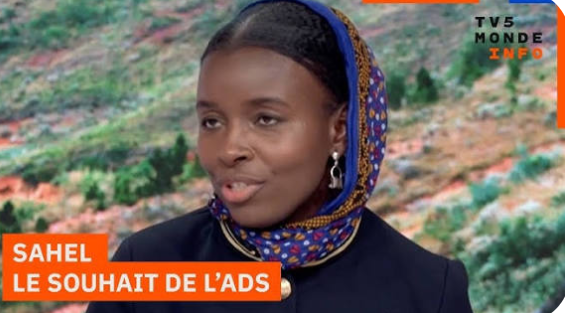
Niger’s transitional authorities have enacted an official decree to strip Dr. Mayra Djibrine, the prominent president of the Brussels-based Alliance des Démocrates du Sahel (ADS), of her Nigerien nationality. This decisive action, set against a backdrop of increasingly stringent regulations targeting dissenting voices abroad, has ignited fervent debate among the populace and civil society in Niamey. As citizens weigh the state’s assertion of authority against deep-seated concerns for individual liberties, the implications of this unprecedented measure resonate across the nation.
a significant official decision with far-reaching consequences
The political and legal landscape in Niger has undergone a notable shift. Through a formal decree, the transitional government has officially revoked the citizenship of Dr. Mayra Djibrine. An esteemed academic and a leading figure within the Alliance des Démocrates du Sahel (ADS), an organization actively operating from Belgium, Dr. Djibrine now finds herself divested of the civic and political rights intrinsically linked to her Nigerien heritage.
The stated reasons from the Niamey authorities cite actions that are “contrary to Niger’s strategic interests and sovereignty.” For several months, the ADS has consistently issued critical statements regarding the management of the transition, actively advocating to European bodies for a swift return to constitutional order. From the perspective of the current administration, these externally-driven activities are perceived as attempts at destabilization, thereby justifying recourse to an ordinance signed in late 2024 that permits the revocation of nationality for acts of treason or threats to national defense.
divided opinions: voices from Niamey
Across the capital’s streets, this news has become the focal point of every conversation, from informal discussion circles (grins) to the bustling popular markets. The profound impact of this measure is evident in the sharply divided reactions among ordinary citizens.
At the vibrant Grand Market of Niamey, amidst the daily commerce, political discourse is palpable. Amadou, a fabric merchant, openly voiced his support for the government’s decision. “Our country is navigating a pivotal moment in its history. We cannot tolerate compatriots comfortably settled in Europe advocating for sanctions against their own people. If you undermine Niger’s interests from abroad, it is only right that Niger disowns you. This is a matter of patriotism.” Many citizens echo his sentiment, believing that national sovereignty demands absolute loyalty, particularly during times of crisis.
However, just a few blocks away, in the academic and residential district surrounding Abdou Moumouni University, a starkly different perspective emerged. Fatouma, a public law student, expressed profound apprehension. “This establishes a dangerous precedent. Stripping someone of their nationality because of their political opinions, even if expressed from Brussels, presents a significant legal challenge. Nationality is a fundamental right, not a privilege that the state can withdraw at the whim of different regimes. Today it is Dr. Djibrine, but who will be next?” This pervasive fear of a continuous narrowing of the space for expression is shared by numerous local observers, who worry about the potential erosion of social cohesion in Niger.
legal and diplomatic ramifications of a bold move
Beyond the public’s reactions, legal experts in Niamey are meticulously examining the foundations of such a measure. The Nigerien nationality code, recently amended by the Conseil National pour la Sauvegarde de la Patrie (CNSP), has significantly broadened the criteria for denationalization. While jurists aligned with the government maintain that the procedure adheres to the exceptional legal texts currently in force, human rights defenders argue that it contravenes international conventions ratified by Niger, which prohibit rendering an individual stateless.
On the diplomatic front, this decision sends an unequivocal message to diaspora organizations and host countries, particularly within Europe. By specifically targeting the president of the ADS in Brussels, Niamey clearly demonstrates its intent to neutralize political dissent, even beyond its geographical borders, effectively employing the tool of civic death. This action is closely watched in the broader context of African politics and Africa news.
The revocation of Dr. Mayra Djibrine’s nationality signifies an escalation in the Nigerien authorities’ strategy for political control and national security. While this firm stance garners approval from a segment of the population who perceive it as an act of national defense, it simultaneously generates widespread unease among many citizens, who are deeply concerned about the future of freedoms and the fate of democratic opposition. As Niger continues to redefine its alliances and internal governance, the critical debate between state security and citizens’ rights remains more pertinent than ever.


More Stories
Mamadi Doumbouya de retour à Conakry après sa visite d’État en Côte d’Ivoire
Elversberg vs Bayern Munich: where to watch the Bundesliga clash
Mali: près de 80 soldats tués dans l’attaque de Dioura