France’s education reforms have ignited a nationwide outbreak of violence, with school protests spiraling into urban chaos within hours. Prime Minister Sébastien Lecornu has called an emergency interministerial crisis cell at the Interior Ministry to regain control as the situation spirals beyond containment.
Urban warfare erupts as school protests turn destructive
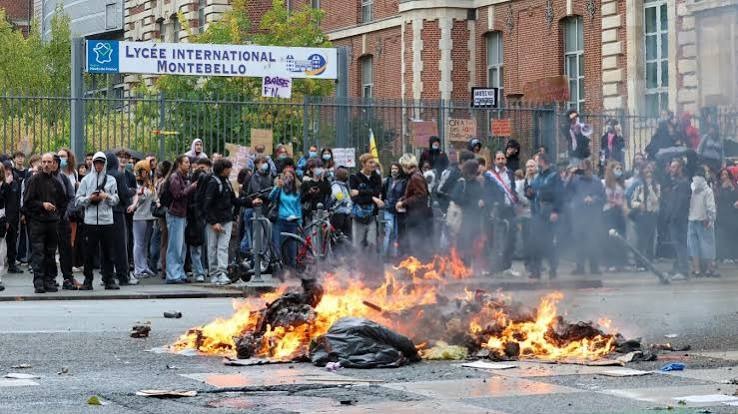
The movement that began as a peaceful demonstration against recent education reforms transformed within days into a wave of targeted destruction. From Paris to Marseille, over 50 secondary schools faced violent blockades, with fire and vandalism replacing dialogue as the primary language of protest.
At Paris’ Voltaire High School, barricades of burning trash bins and overturned street furniture blocked major arteries, while Lyon saw an educational facility’s main hall engulfed in flames after fireworks were launched inside. The damage extends beyond physical destruction: taggings with hostile slogans and smashed windows signal a deeper rejection of institutional authority.
Public order collapses in major cities
What started as organized demonstrations descended into coordinated urban conflict. Heavily armed security forces confronted rioters throwing projectiles, paving stones and even homemade mortars. Authorities responded with tear gas, water cannons and repeated baton charges, while hospitals treated dozens of injured participants and officers.
Transport networks became collateral victims. Marseille suspended all bus and tram services in the city center by midday, while Nantes and Bordeaux followed, stranding hundreds of thousands. The paralysis reflects both security concerns and the inability of transit systems to operate amid street warfare.
Government responds with highest-level intervention
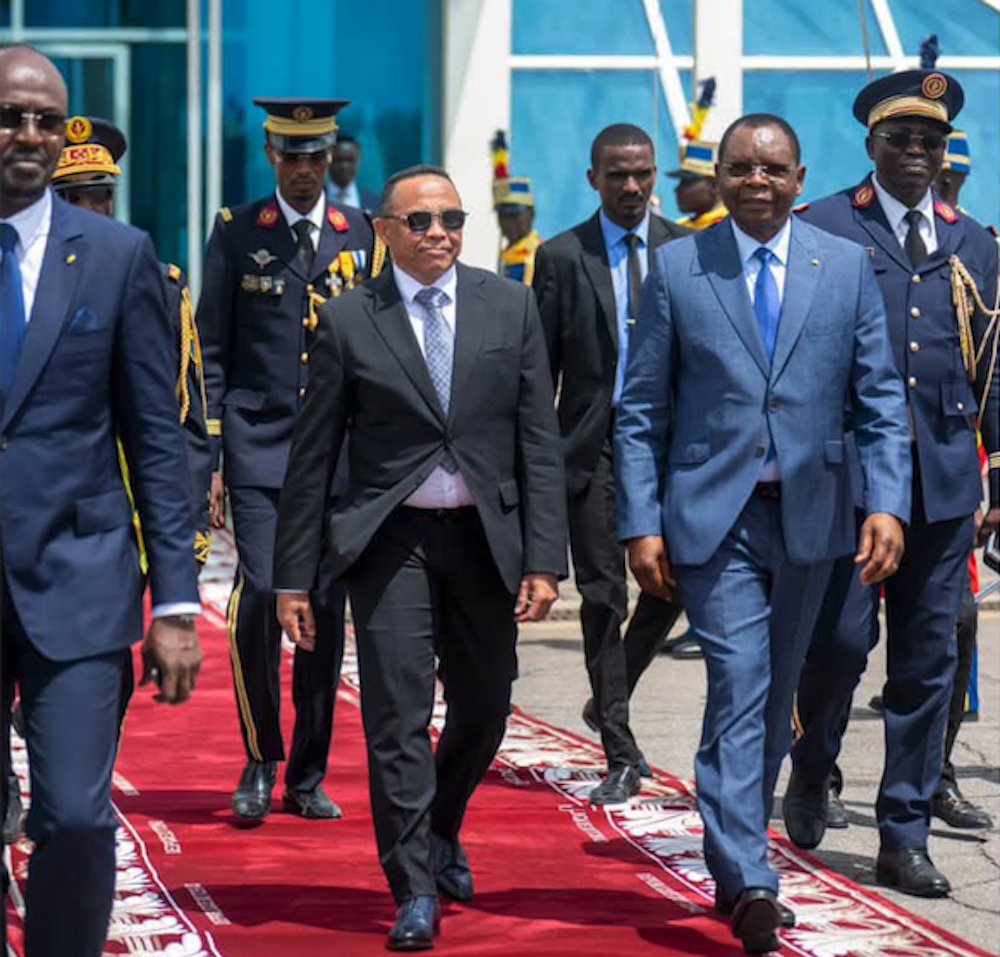
In an unprecedented move, Prime Minister Sébastien Lecornu personally took charge of an interministerial crisis cell at the Interior Ministry, convening education, transport and security officials. This emergency structure, typically reserved for national disasters, now coordinates real-time responses across police, gendarmerie and emergency services.
‘No cause justifies the destruction of educational institutions or endangering the lives of law enforcement,’ Lecornu stated from Matignon. ‘Protest is a democratic right, but violence and disorder are incompatible with the Republic. The state will respond with absolute firmness.’
Political fallout intensifies across the spectrum
Opposition leaders are rapidly politicizing the crisis. Right-wing figures demand curfews and bans on gatherings near schools, while left-wing voices criticize what they call ‘excessive force’ and accuse the government of failing to address youth discontent. Student unions, though distancing themselves from the violence, warn that the escalation risks overshadowing legitimate grievances over exam reforms and learning conditions.
A union spokesperson emphasized, ‘What we’re seeing is not our movement. Our fight concerns education policy, not the destruction of the very places where we learn.’ Yet with nightfall, tension remains palpable in working-class districts and university areas.
Security crackdown set to intensify despite calls for dialogue
Tomorrow, thousands of additional riot police will deploy across flashpoint zones as the government prepares sweeping security announcements. Officials fear Friday could see a repeat of today’s urban warfare without decisive intervention. Meanwhile, parents and educators struggle to reconcile support for student voices with horror at the destruction of public property.
The crisis cell’s decisions could determine whether France’s schools remain open or become battlegrounds, whether public transit resumes or paralyzes daily life, and whether the promise of democratic protest survives the flames of urban conflict.