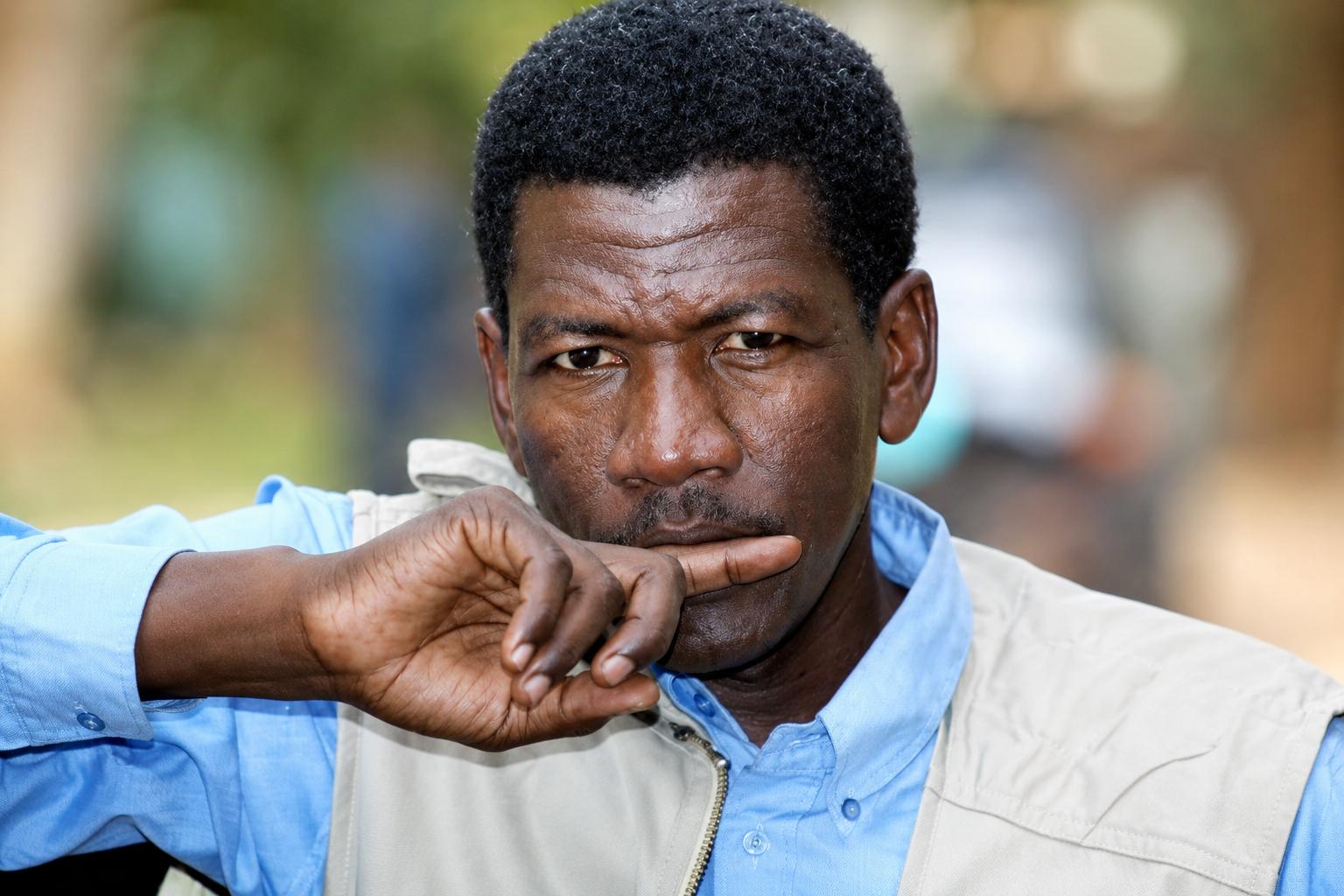
Niger’s media landscape faces a critical moment as the unannounced detention of Moussa Kaka, a respected journalist and long-time correspondent, approaches its fifth week. The absence of any official explanation for his whereabouts has triggered growing alarm across Niamey and beyond, raising serious questions about due process, detention conditions, and the future of press freedom in the country.
Arbitrary Detention Without Formal Charges
Moussa Kaka, a prominent voice in Nigerien journalism with decades of frontline reporting on political, social, and security affairs, has been held in undisclosed custody since late last month. Despite persistent demands from legal experts, rights groups, and media colleagues, authorities have issued no official statement, no formal charges, and no confirmation of his legal status. This prolonged silence violates fundamental judicial norms and fuels concerns over his safety and wellbeing.
Journalists and advocates describe the situation as a clear example of arbitrary detention—a tactic increasingly used in Niger since recent political shifts—to silence critical reporting and undermine public scrutiny.
Voices from the Field Demand Answers
Colleagues and local press freedom organizations have amplified calls for his immediate release, emphasizing Kaka’s long-standing professionalism and commitment to factual reporting amid a region plagued by instability. “There is absolutely no justification for holding him,” stated multiple signatories in joint statements echoing the sentiment across social and professional platforms.
International observers have joined the chorus, with repeated warnings that such actions contravene regional and international human rights commitments—especially as Niger navigates a delicate political transition under military leadership.
Press Freedom in the Sahel: A Deteriorating Landscape
The case of Moussa Kaka is not an isolated incident. It reflects a broader trend of shrinking civic space across the central Sahel, where independent journalism is increasingly under threat. Recent months have seen a rise in intimidation, legal harassment, and arbitrary arrests targeting reporters covering political transitions, security crises, and governance issues.
Prominent media personalities, including editors and bloggers, have faced similar pressures. Reports indicate rising restrictions on broadcast licenses, censorship of critical voices, and legal actions framed under national security laws—often deployed to curtail dissent and obstruct transparency.
With each passing day, the silence surrounding Kaka’s detention deepens public anxiety and underscores the urgent need for accountability within Niger’s judicial and military institutions.
Regional Implications Momentum Grows
As civil society and media networks renew their calls for action, the stakes extend beyond Niamey. Regional coalitions are mobilizing to address the escalating clampdown on press freedom in the Sahel, warning that unchecked restrictions risk destabilizing democratic norms across West Africa.
The outcome of Kaka’s case may well become a bellwether for the continent’s commitment to upholding fundamental freedoms—and for the survival of independent journalism in one of Africa’s most fragile democracies.