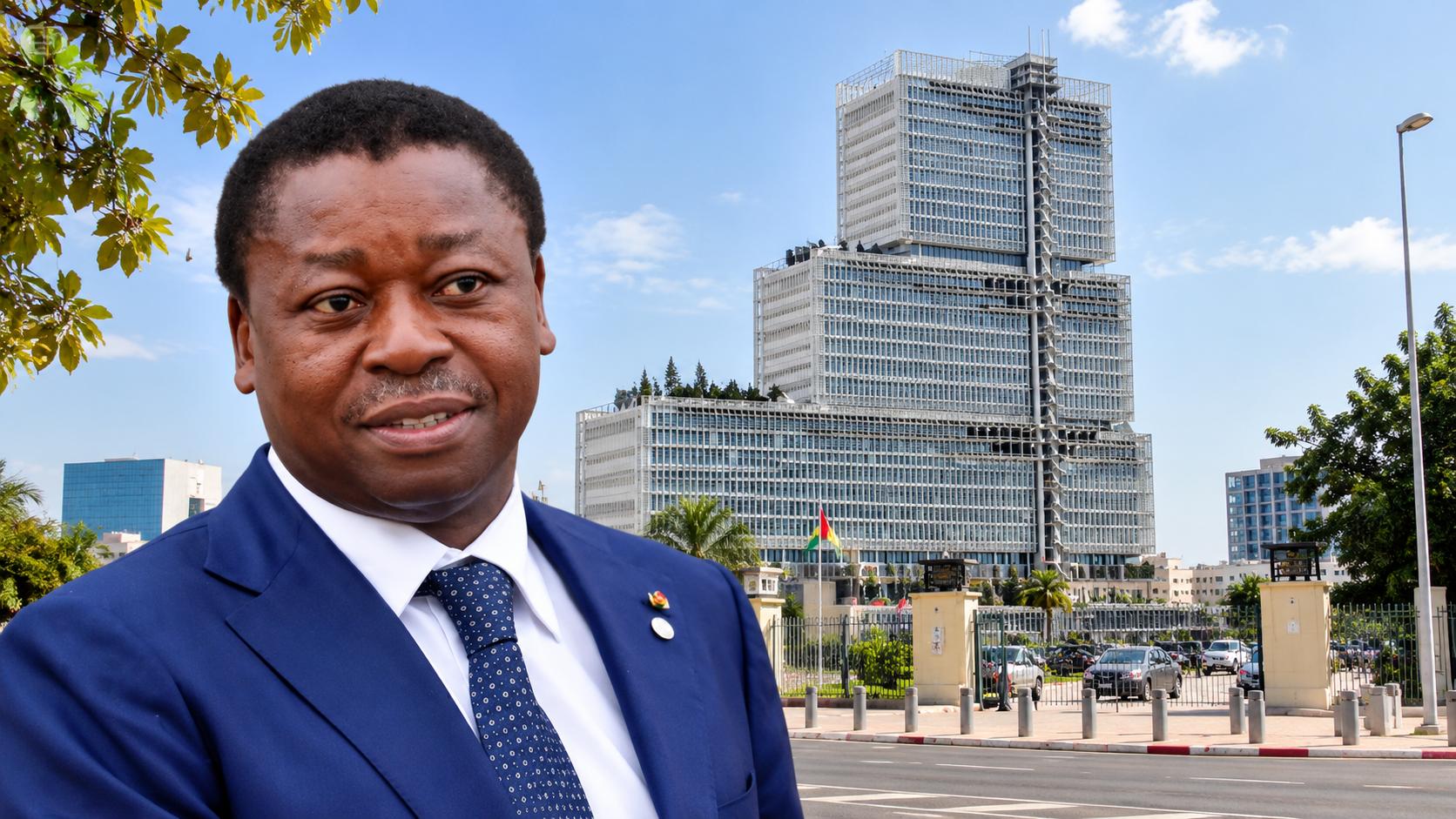
The French National Financial Prosecution Office (Parquet National Financier, PNF) is escalating its scrutiny of foreign officials’ assets in France, with a particular focus on the extensive real estate holdings linked to Togolese President Faure Gnassingbé and his associates. From opaque property management companies to luxury residences and allegations of money laundering, this financial saga intertwines legal investigations with Franco-Togolese diplomacy.
This case has resurfaced repeatedly in the exclusive districts of Paris’ 16th arrondissement as well as in the courtrooms of the Palais de Justice. Unlike the high-profile prosecutions of Central African leaders such as Teodorín Obiang or the Bongo family, President Gnassingbé now faces legal consequences tied to the accumulation of assets allegedly funded by embezzled public funds from his home country.
Core of the investigation: luxury properties under the microscope
The heart of the inquiry revolves around several prime real estate assets in Paris and the Île-de-France region, suspected to have been acquired through misappropriated state funds. The PNF, in collaboration with OCRGDF (Office Central pour la Répression de la Grande Délinquance Financière), is tracing the origins of these transactions, uncovering a web of financial maneuvers.
Key findings of the financial probe
- Complex real estate deals: Eight haussmannien apartments and five private mansions structured through Sociétés Civiles Immobilières (SCIs) and nominees to mask true ownership.
- Offshore financial engineering: The use of bank accounts in low-tax jurisdictions, including two identified in Fiji, and intermediaries based in financially opaque regions.
- Allegations of money laundering and corruption: The PNF is examining whether these multi-million-euro properties, held via SCIs, align with the official salary of the Togolese president (approximately €100,000–120,000 annually) or if they stem from embezzled state assets. Investigative journalism and independent probes estimate the president’s fortune at over €4.5 billion, raising serious questions about the legality of these acquisitions.
- Examination of financial flows: Special attention is given to transactions involving historical allies such as former Togolese Prime Minister Barry Moussa Barqué, as well as convoluted schemes linked to concession deals at the Port of Lomé, previously tied to the Bolloré Group.
A disputed inheritance and decades-old controversies
The Togolese presidential family’s real estate portfolio in France didn’t emerge overnight; it traces back to the era of the late Étienne Eyadéma Gnassingbé, father of the current president. Upon his passing in 2005, the management of these assets sparked intense family disputes, further complicated by seizure attempts and ownership contests.
Notable properties repeatedly highlighted by investigative outlets and anti-corruption NGOs include three buildings on Avenue du Maréchal-Maunoury, high-end residential units in the Hauts-de-Seine department, and additional apartments acquired during official visits to Paris.
France’s evolving stance on “ill-gotten gains”
For over a decade, France’s high-profile “ill-gotten gains” cases predominantly targeted leaders from Gabon, Congo-Brazzaville, and Equatorial Guinea. However, recent legal reforms—particularly mechanisms for restitution of seized assets to affected populations—have heightened judicial scrutiny of all foreign officials whose French holdings appear disproportionate to their declared incomes.