From classrooms to streets: a turning point for France’s youth
As France gears up for its 2027 presidential election, a groundswell of youth activism is putting the country’s education system under the microscope. What began as localized grievances in high schools has erupted into a nationwide movement, forcing both the government and the public to confront long-simmering issues that threaten the future of an entire generation.
The spark that ignited this latest wave of protests? A pervasive sense of uncertainty about what lies ahead. From overcrowded classrooms to crumbling infrastructure and the high-stakes uncertainty of university admissions through Parcoursup, the challenges facing students are seen as insurmountable barriers to success. For many, the very institution meant to empower them has become a source of frustration and disillusionment.

Breaking point: when systemic failures fuel mass mobilization
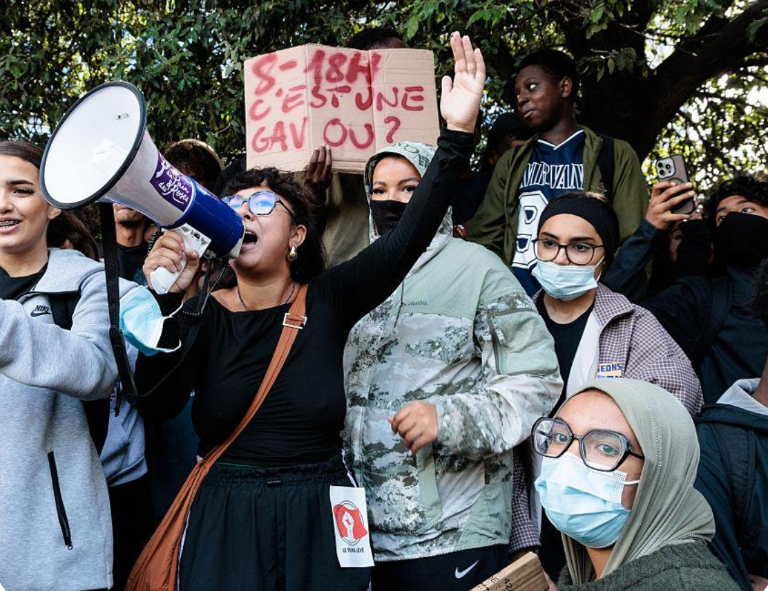
The tipping point arrived in September, when students in several cities began staging sit-ins and walkouts. What started as isolated actions quickly gained momentum, drawing in teachers, university students, and even parents. By mid-October, the movement had swelled into a full-blown crisis, with organizers estimating over 480,000 participants nationwide—though official figures placed the turnout closer to 161,500. The disparity only underscored the depth of public frustration with how the government measures success.
What fuels this anger? A laundry list of unmet needs:
- Chronic understaffing: Teacher shortages leave classrooms unattended, disrupting learning and disproportionately affecting disadvantaged areas.
- Decaying facilities: From leaky roofs to broken heating systems, many schools resemble neglected relics rather than places of growth and opportunity.
- Exhausting schedules: Long, back-to-back classes leave students drained, with little time for extracurricular enrichment or rest.
- Admissions chaos: The Parcoursup system, meant to streamline university applications, is viewed as a bureaucratic nightmare that adds unnecessary stress to an already high-pressure process.
Unequal access: the hidden divide in France’s education
Not all schools are created equal. While some institutions in affluent neighborhoods boast modern amenities and robust support systems, others grapple with persistent neglect. This disparity isn’t just academic—it’s a stark reminder of how geography and socioeconomic status dictate opportunity. Government consultations in early October confirmed this divide: rundown buildings and staffing shortages topped the list of complaints, overshadowing even concerns about academic rigor or curriculum relevance.
Beyond the classroom: a movement for systemic change
What began as a protest for better schools has evolved into something far broader—a clarion call for change that resonates across generations. On October 17, the movement took a dramatic turn as students joined forces with activists from other social movements, including former gilets jaunes protesters. The result? A convergence of voices demanding not just educational reform, but economic fairness, healthcare access, and housing stability.
Yet, this unity masked deep divisions. Not all participants shared the same goals—some protesters prioritized wages, others focused on curriculum reform, and a vocal minority clashed with authorities, resulting in localized violence in cities like Paris and Marseille. These incidents, though significant, risk overshadowing the movement’s core message: a generation demanding to be heard.
2027 Election looms: a turning point for France’s priorities
The timing of this uprising couldn’t be more critical. With the presidential election on the horizon, politicians are scrambling to address the growing discontent. Will the government double down on education spending, or will budget constraints force tough choices? The debate isn’t just about numbers—it’s about values. Can France afford to let its youth fall through the cracks? And if not, what concrete steps will leaders take to bridge the gap?
For President Emmanuel Macron, whose second term concludes in 2027, the stakes are personal. His administration’s response to these protests will shape his legacy, regardless of the election outcome. The protests serve as a referendum on his leadership—and on France’s ability to deliver on the promise of equal opportunity for all.
From protest to progress: the road ahead
The challenge now is transforming outrage into action. Sit-ins and slogans have amplified the voices of the youth, but lasting change requires more than visibility—it demands accountability. Dialogue between students, educators, families, and policymakers is essential, but trust is in short supply. Who will take the lead? Will the government’s promised increases in education funding be enough, or will deeper structural reforms be necessary?
The answer may well define France’s future. The youth of today aren’t just demanding better schools; they’re demanding a fairer society. Whether that demand translates into tangible progress remains to be seen. But one thing is clear: the ground is shifting. And in 2027, the decisions made today will echo through the halls of power—and the classrooms of tomorrow.