Gabon and Monaco unite to drive green diplomacy forward
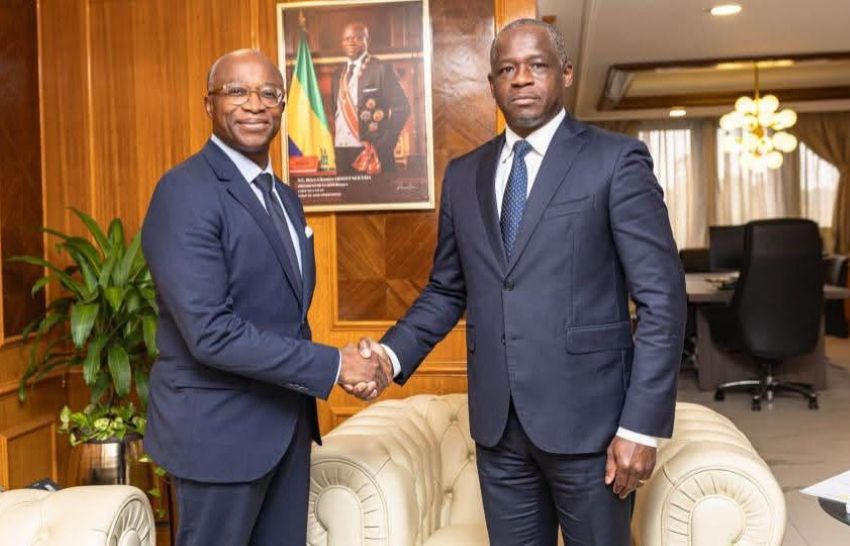
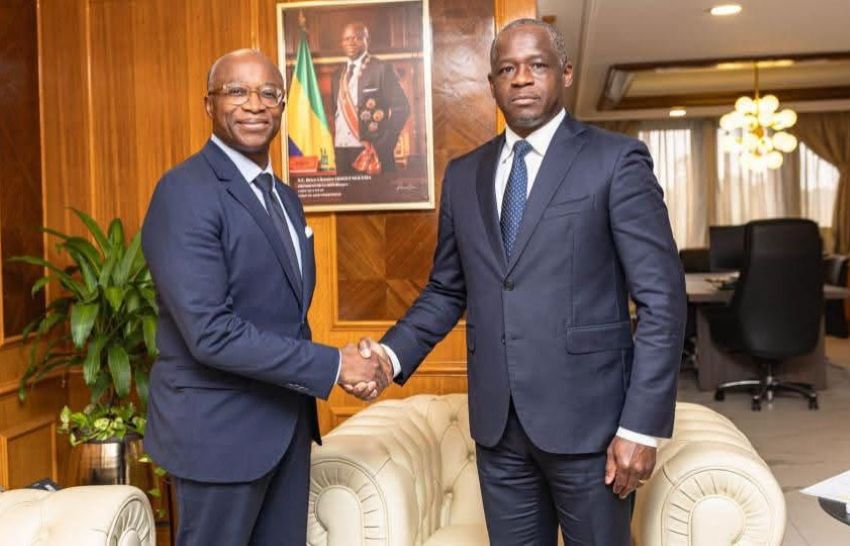
Libreville, August 9, 2026 – Gabon is turning its natural wealth into a diplomatic, climate, and economic asset. The August 5 meeting in Libreville between Vice-President Hermann Immongault and a delegation from Monaco’s Prince Albert II Foundation marks a pivotal moment in this strategy.
Beneath the discussions on environmental conservation lies a broader ambition for Libreville: to forge international partnerships that fund, safeguard, and sustainably enhance its forests, biodiversity, and marine zones.
The Monaco delegation, led by Charles Oula Siehe, Special Advisor for Africa at the Prince Albert II Foundation, engaged with Hermann Immongault alongside Maritime and Blue Economy Minister Aimé Martial Massamba. The talks explored strengthening Monaco’s footprint in Gabon and expanding areas of collaboration.
The Gabonese capital’s focus is deliberate. With vast forests, marine ecosystems, and unparalleled biodiversity, Gabon holds a natural heritage of global significance. In an era of rapid climate shifts and a growing global demand for nature-based solutions, this endowment positions Gabon not just as an environmental steward but as a strategic partner capable of drawing international investments.
Central Africa’s biodiversity hotspot
Monaco’s delegation arrived just weeks before the Foundation’s 20th anniversary in September, aiming to deepen its involvement in the Congo Basin—a critical carbon sink and biodiversity reservoir. Gabon, eager to align this momentum with its national priorities, sees potential in joint initiatives spanning forest conservation, biodiversity protection, carbon financing mechanisms, and blue economy development.
The latter deserves special attention. For a nation with extensive maritime resources, the blue economy represents an opportunity to create value—provided it balances sustainable exploitation, ecosystem preservation, and equitable benefits for communities.
The same principle applies to forests. Gabon’s goal is no longer just conservation but leveraging the environmental services it provides globally. Carbon financing mechanisms could unlock new revenue streams, but only if paired with transparent, credible systems that ensure fair compensation for conservation efforts.
From natural heritage to global influence
The Libreville meeting underscores Gabon’s evolving environmental diplomacy. The country is shifting from viewing nature protection as a mere ecological obligation to treating it as a cornerstone of development, international cooperation, and global influence.
Yet success hinges on more than declarations. Meaningful environmental partnerships must yield tangible outcomes: funded projects, skill transfers, job creation, scientific data, and durable ecosystem protection. The challenge lies in translating Libreville’s discussions into measurable, scalable initiatives.
For both Gabon and Monaco, this alliance is strategically sound. Monaco brings expertise, networks, and a track record of mobilizing action on environmental challenges. Gabon offers a prime testing ground in the Congo Basin, where ecosystems critical to global climate stability await protection.
The August 5 gathering was more than a diplomatic exchange—it was a statement of intent. In a world where forests, oceans, and biodiversity are increasingly strategic assets, Libreville must negotiate partnerships with the same rigor it applies to economic agreements. The goal isn’t merely securing support to protect nature but securing recognition for the value Gabon already safeguards.
If this collaboration succeeds in merging conservation, financing, expertise, and national benefits, it could redefine Gabonese diplomacy. The vision is clear: transform the preservation of natural heritage into a powerful lever for sovereignty and sustainable growth.