From June 29 to July 1, 2026, Gabon will host a critical international assessment mission in Libreville, marking the second review cycle of the United Nations Convention Against Corruption (UNCAC). This strategic event will see experts from the United Nations, Chad, and Libya meticulously evaluate the nation’s advancements in preventing corruption and recovering illicit assets.
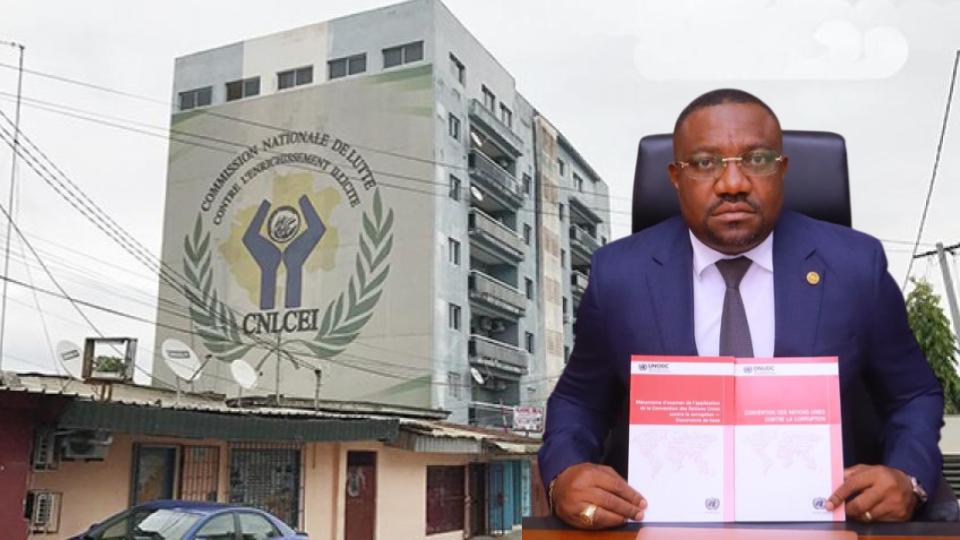
After years of dedicated institutional reforms and strengthening public oversight mechanisms, Gabon is poised to enter a new phase in its commitment to combating corruption. The National Commission for the Fight Against Corruption and Illicit Enrichment (CNLCEI) has announced that Libreville will host the ‘country visit’ phase of the second review cycle of the United Nations Convention Against Corruption’s implementation mechanism, scheduled from June 29 to July 1, 2026.
This international mission will bring together specialists from the United Nations Office on Drugs and Crime (UNODC), the Republic of Chad, and the State of Libya. These designated countries will be responsible for assessing Gabon’s adherence to the convention’s provisions concerning preventive measures and the recovery of assets.
A strategic international assessment
Having acceded to the United Nations Convention Against Corruption on October 1, 2007, Gabon actively participates in the review mechanism established by State Parties to gauge progress in the global fight against corruption. While the initial cycle concentrated on criminalizing offenses and fostering international cooperation, this second cycle primarily focuses on two sensitive areas: corruption prevention and the retrieval of property derived from illegal activities.
The proceedings, set to take place at the Hôtel Boulevard in Libreville, will enable international examiners to scrutinize Gabon’s national frameworks. These include public management transparency, public procurement processes, asset declarations, the engagement of civil society, anti-money laundering efforts, and the mechanisms in place for seizing and restituting diverted assets.
Numerous institutions mobilized
For this comprehensive evaluation, all relevant administrative bodies will contribute. Ministries, Parliament, the Court of Auditors, the State General Control, ANIF, Customs, ARMP, judicial authorities, security forces, employer organizations, and representatives from civil society are all slated to participate in the various working sessions.
National coordination of this vital process is overseen by the CNLCEI, with Séraphin Ondoumba, a commissioner-member of the institution and its focal point for UNODC, leading the efforts. According to the Commission, this mission presents a valuable opportunity to highlight Gabon’s achievements while also pinpointing necessary improvements to further strengthen its governance and transparency mechanisms.
A test for the governance of the Fifth Republic
Beyond its technical scope, this evaluation unfolds within a context where good governance, transparent public finances, and the fight against illicit enrichment are central to citizen expectations. The findings emerging from this review could serve as a roadmap for future institutional and administrative reforms. Furthermore, they will allow Gabon to benefit from enhanced technical support and a valuable exchange of experiences with other States party to the Convention.
Through this crucial stage, Libreville aims to demonstrate its unwavering commitment to consolidating principles of accountability, transparency, and rigorous management of public resources. These are now indispensable requirements for bolstering the confidence of citizens, international partners, and investors in the nation’s future, reinforcing Gabon’s standing in African politics and economy news.