Gabon reshapes military legacy with historic site renaming
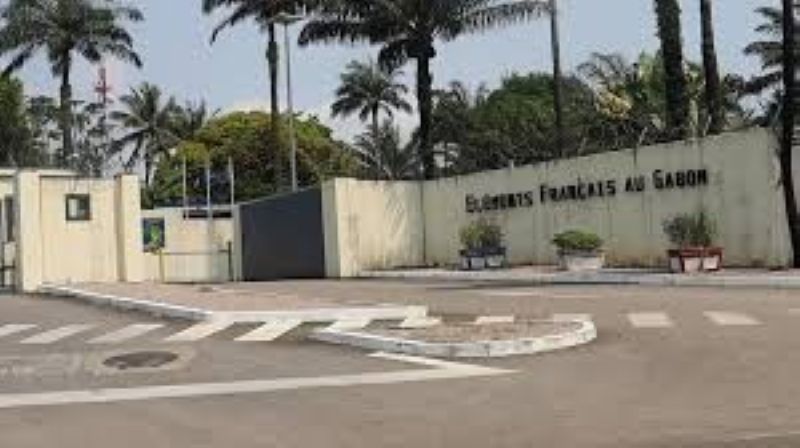
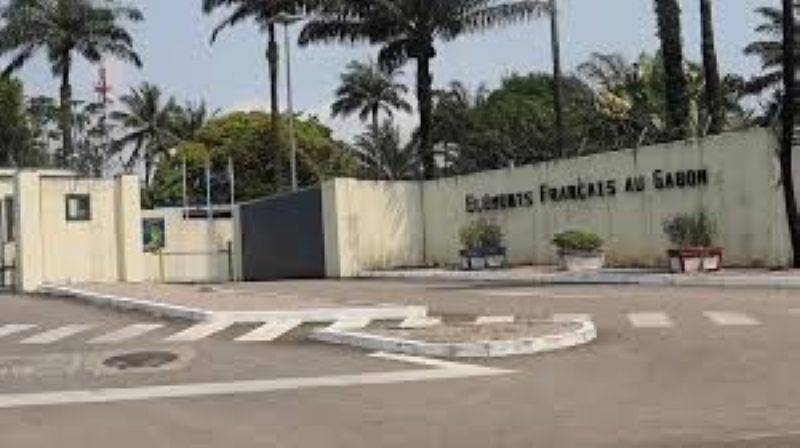
Libreville, June 3, 2026 — President Brice Clotaire Oligui Nguema’s decision to rename the Camp de Gaulle reflects more than a simple administrative adjustment. It signals a deliberate shift in Gabon’s strategic approach to its military heritage and future alliances.
What appears to be a routine official announcement carries deeper implications for the nation’s evolving identity. The transformation of this historic military site from a French emblem to a Gabonese symbol marks a pivotal moment in the country’s post-independence narrative.
The end of an era
For generations, the Camp de Gaulle stood as a testament to Gabon’s military cooperation with France. Established during the post-colonial era, the base was part of a broader security framework that saw Paris maintain strategic outposts across Africa. Yet the geopolitical landscape of 2026 differs markedly from that of the 1960s.
Across the continent, debates about national sovereignty, control of critical infrastructure, and historical reclamation have gained prominence. Gabon’s decision to reclaim and rebrand Camp de Gaulle aligns with this continental trend, though without the abrupt diplomatic ruptures seen elsewhere.
A model of cooperation amid regional shifts
The president emphasized that Gabon’s transition diverges from recent developments in neighboring countries. While forces have withdrawn from the Sahel, Gabon’s transformation has occurred through dialogue and cooperation. The military footprint has been scaled down, reducing permanent French troops to a specialized training cadre of about 100 personnel.
This evolution reflects a global shift in defense partnerships, prioritizing skill transfer over large-scale foreign troop presence. Gabon’s approach demonstrates how security cooperation can adapt without triggering instability.
Building Africa’s defense leaders
The repurposed site will serve as a regional training hub for Gabonese and African defense forces. In an era marked by transnational threats, organized crime, and security challenges in the Gulf of Guinea, the development of local expertise is paramount.
By positioning itself as a center of excellence, Gabon aims to contribute to the professionalization of African militaries. This initiative underscores the country’s ambition to play a more assertive role in continental security architecture.
A new name, a new narrative
The most symbolic change lies in the site’s renaming. Future references will honor a Gabonese national hero instead of a colonial figure, reinforcing the country’s commitment to reclaiming its historical narrative. Naming a place is an act of storytelling—it shapes the values passed to future generations.
This decision is not a rejection of France but an assertion of Gabon’s political maturity. It reflects a balanced approach to international partnerships while firmly grounding the nation’s identity in its own heroes and history.
The transformation of Camp de Gaulle is more than a rebranding exercise. It is the physical manifestation of Gabon’s evolving sovereignty—a quiet revolution in how the nation shapes its past, present, and future.