Behind the public bravado: a hidden power struggle in Burkina Faso’s military leadership
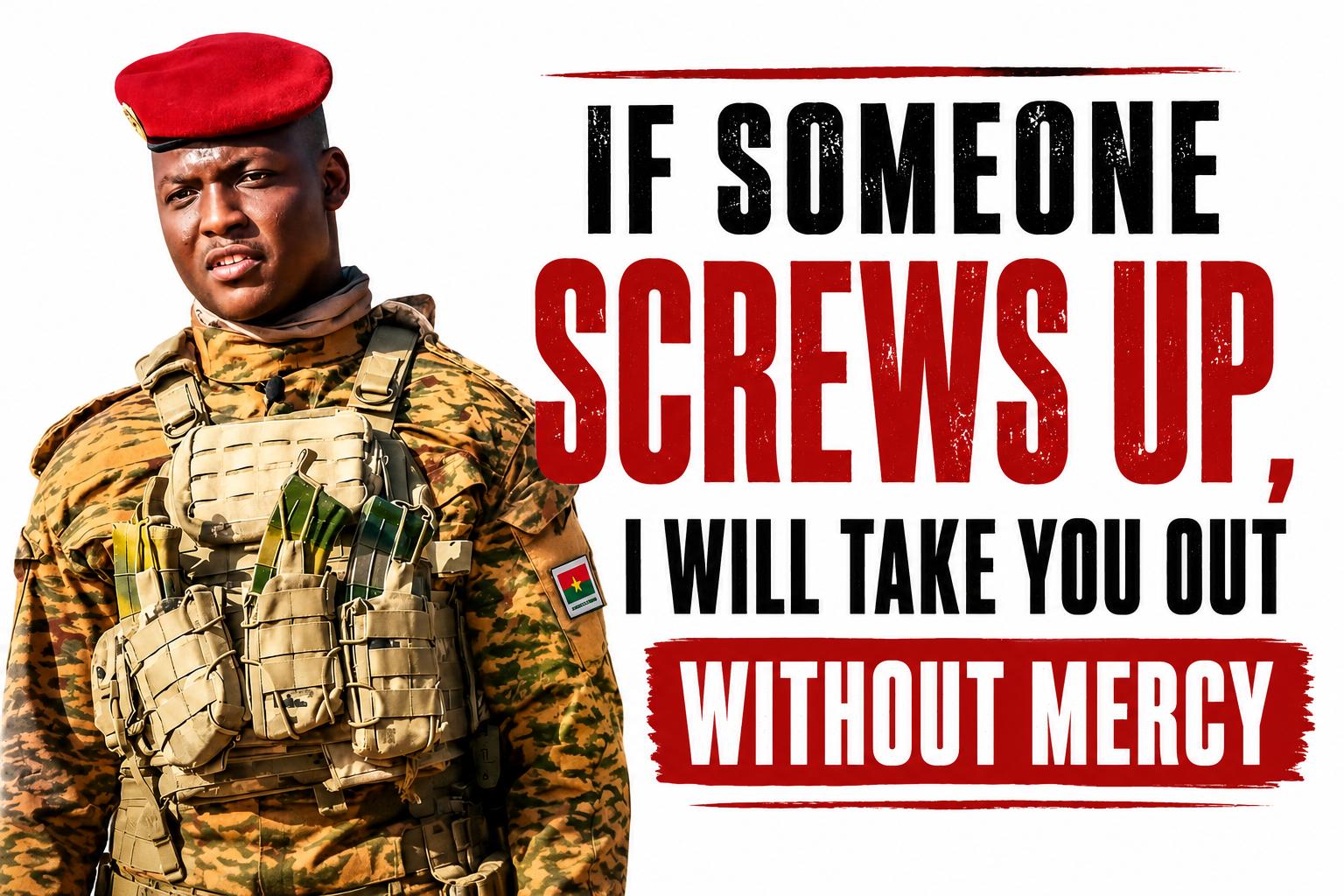
Captain Ibrahim Traoré’s uncompromising stance—”If anyone messes up, I’ll crush them without hesitation”—hints at a simmering, covert battle for dominance within Burkina Faso’s military and transitional government. While the captain projects strength, whispers of internal dissent and factional infighting reveal a fragile foundation beneath the regime’s bold facade.
Where the fractures lie in Burkina Faso’s armed forces
The cohesion of Burkina Faso’s military has been under relentless strain since the September 2022 coup. Key disagreements now center on territorial security operations and the allocation of command structures. As armed groups continue to challenge the state’s authority, the pressure on leadership has intensified, breeding resentment and deepening divides among officers and units.
These tensions manifest as growing distrust between critical units and even among high-ranking officers, with some openly questioning strategic decisions or the transition’s political direction. The military’s unity, once a cornerstone of stability, now appears increasingly fragile.
Security services tighten the screws amid rising paranoia
In response to persistent rumors of internal strife, the presidential intelligence services have escalated surveillance and crackdowns on officers deemed disloyal or hesitant. Recent months have seen a wave of arrests and forced retirements, as the leadership moves to preempt any potential rebellion before it gains traction.
This climate of suspicion has forced even loyal officers to adopt a performative loyalty, while behind closed doors, barracks remain abuzz with debates about the transition’s future and the junta’s legitimacy.
Uniting the ranks: a desperate bid to avert collapse
For Captain Traoré, quelling internal divisions is not just a priority—it’s a necessity to prevent wider destabilization. With every crack in the junta’s unity representing a potential opening for adversaries, the leadership is doubling down on cohesion, wielding harsh rhetoric to deter dissent. Yet the question lingers: can forceful suppression alone preserve stability, or will the pressure of unaddressed fractures ultimately fracture the regime?