Gabon has officially unveiled its 2026 National Human Development Report (RNDH 2026), marking its first edition in two decades. The launch, held on Friday, July 3 in Libreville, centers on the theme ‘Youth, employability, entrepreneurship, and human development’. Prepared by the Ministry of Planning and Prospective in partnership with the United Nations Development Programme (UNDP), the report provides a structural overview of the country as transition authorities work to establish a new inclusive growth trajectory.
A striking contrast emerges from its findings. While Gabon’s Human Development Index (HDI) reportedly surged by 46%—driven by gains in education enrollment, life expectancy, and access to essential services—the country’s gross national income per capita dropped by 31%. This disparity highlights a stark disconnect between aggregated social progress and the economic realities faced by households.
Development model under scrutiny amid stark contrasts
This statistical divergence is not trivial for a nation classified as an upper-middle-income country, historically seen as an outlier in Central Africa due to its low population density and reliance on oil revenues. The RNDH suggests that past growth dividends have not been distributed equitably, leaving the economy vulnerable to shocks and struggling to generate sustainable incomes for a growing population. The issue of value-sharing has resurfaced as a critical concern.
A deeper analysis of these trends reveals the limitations of a rentier-based economic model that has reached maturity. Years of public investment in health and education have yielded tangible social progress, yet productivity, economic diversification, and private wealth creation remain stagnant. The result? Declining purchasing power despite steady improvements in human development indicators.
Youth employment takes center stage in national strategy
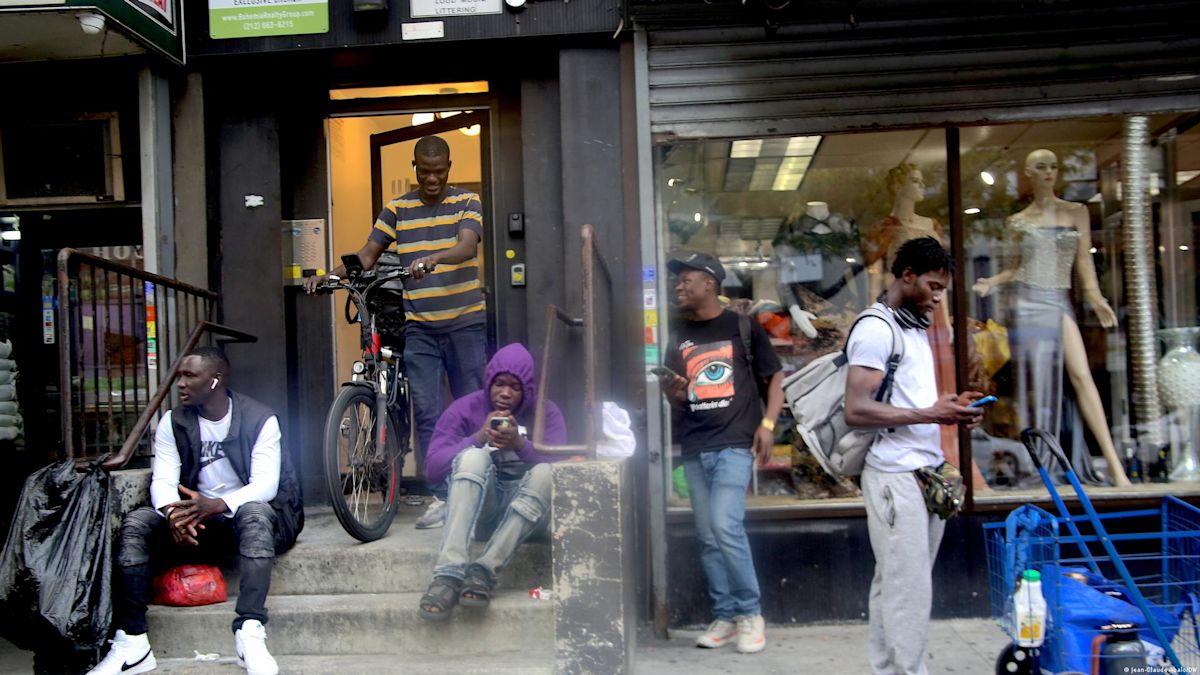
The report’s emphasis on youth and employability is deliberate. Gabon’s young population, predominantly urban and educated, continues to grapple with structural unemployment, a challenge that prior development plans have failed to address. The RNDH 2026 calls for a fundamental rethink of the relationship between education systems, labor markets, and the entrepreneurial ecosystem. Key recommendations include fostering emerging industries, enhancing technical training, and strengthening support for startups. For transition leaders, employability is no longer just an economic challenge—it is a pillar of social stability.
The report also underscores the urgent need to bolster financing mechanisms for small and medium-sized enterprises (SMEs) and improve coordination among public entrepreneurship support programs. Digital infrastructure deficits and a shortage of technical skills are identified as major obstacles to youth integration into the workforce. For policymakers, these insights provide a data-driven foundation for shaping upcoming budgetary decisions.
From diagnosis to action: a roadmap for transition
The revival of the National Human Development Report after a 20-year hiatus signals a methodological shift. The UNDP, which provided technical guidance, views this as an opportunity to anchor public policies in a holistic development vision—one that transcends traditional macroeconomic metrics. For Libreville, the report serves as a shared reference for government ministries, technical partners, and civil society actors.
The true test lies in implementation. A robust diagnostic holds little value without concrete reforms. Transition authorities must now translate the RNDH 2026’s recommendations into tangible actions across education, economic financing, and natural resource governance. The credibility of the political transition itself hangs in the balance, especially as public expectations for job creation and improved purchasing power remain high.