The dust has barely settled from Gabon’s latest economic pact with China, and the fallout is already shaping public discourse. While officials in Libreville tout new mining and digital cooperation agreements, critics are questioning long-term sustainability, local job creation, and the environmental toll of accelerated industrialization.
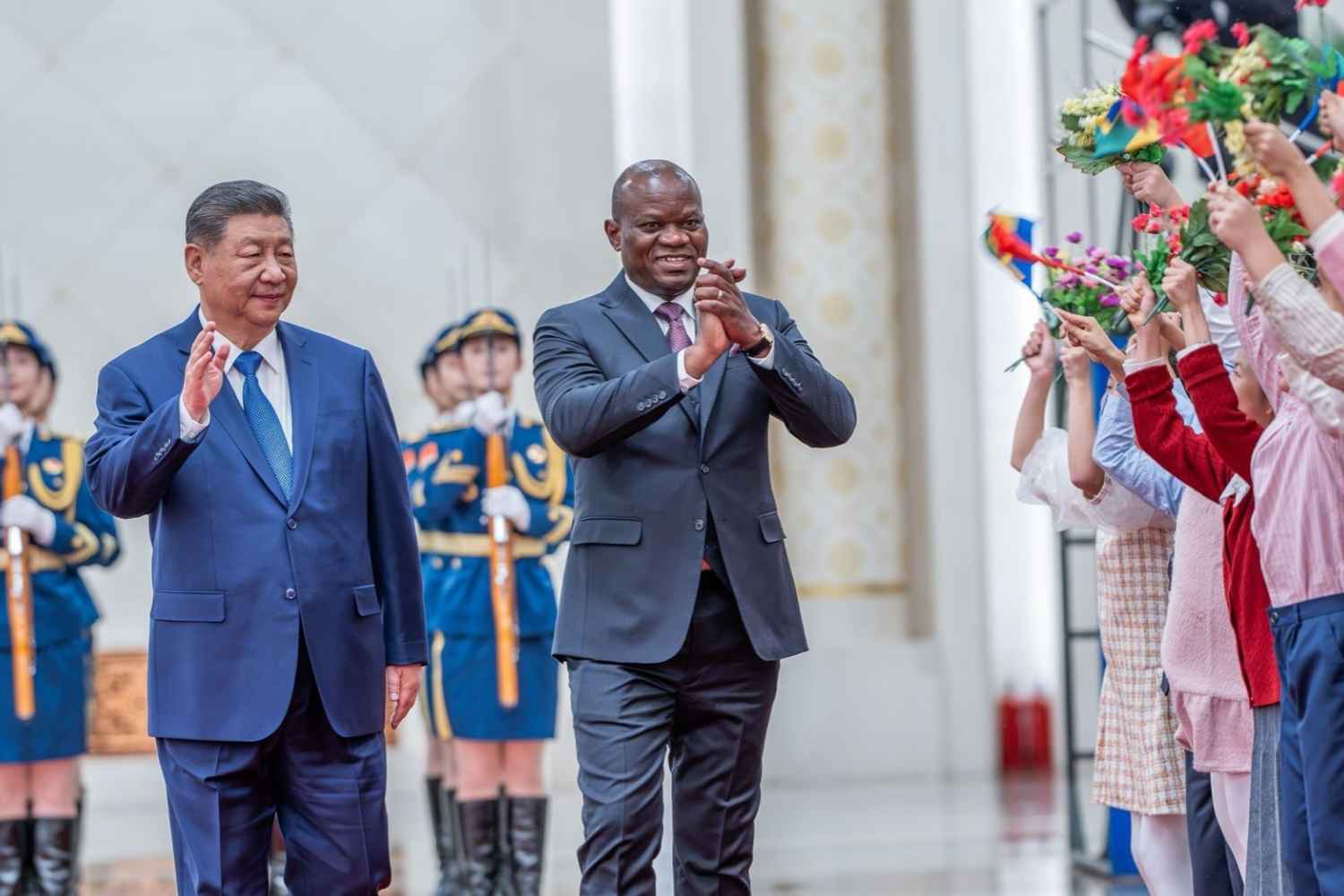
At the center of the controversy is a $198 million deal signed during President Brice Clotaire Oligui Nguema’s visit to Beijing, involving a Chinese consortium and a manganese processing plant in M’Bembélé. The project, valued at 116.7 billion CFA francs, promises an initial output of 180,000 tons per year, with ambitions to scale to one million tons by 2030. But environmental groups warn of ecological damage, while labor advocates demand guarantees over local employment and technology transfer.
Mining expansion fuels debate over sovereignty and development
The manganese deal is only the latest in a string of Chinese-backed mining initiatives in Gabon, drawing both praise and criticism. Earlier, Zhongning Mining Company secured a $260 million iron ore agreement for the Mbilan Mountain project in September 2024, while Shanghai Milestone Technology committed $100 million to low-grade iron and manganese ventures. With the Belinga iron ore deposit—estimated at over one billion tons—also on the table, analysts question whether these partnerships will translate into equitable economic growth or deepen foreign control over key sectors.
Infrastructure pledges: progress or dependency risk?
Beyond raw material extraction, the agreements include railway and energy infrastructure upgrades linked to Belinga. Senior officials have proposed a joint venture to produce steel locally, a move supporters call a strategic industrial leap. Opponents, however, warn of rising debt dependency and limited local value retention. “We need to see concrete plans for skills development and sustainable resource management,” said an independent economist based in Libreville. “Otherwise, these projects could leave us with short-term gains and long-term liabilities.”
Digital cooperation raises surveillance and capability questions
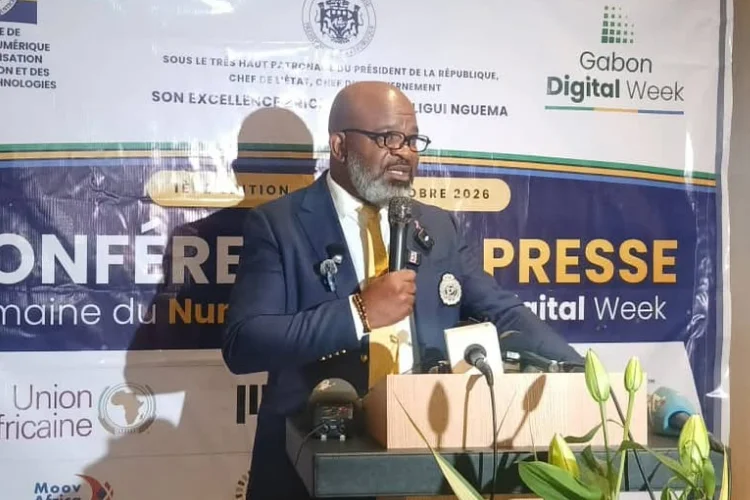
The partnership extends into technology, with three agreements inked with Huawei. They include the deployment of AI for public safety, the digital modernization of public universities, and the tech-equipping of the Brice Clotaire Oligui Nguema International University. While officials cite improved connectivity and educational access, privacy advocates raise alarms about data sovereignty and surveillance risks, echoing global concerns about Chinese tech influence in Africa.
What’s next? Calls for transparency and accountability
As public debate intensifies, civil society organizations are demanding full disclosure of contract terms, environmental impact assessments, and independent audits. Analysts point to the need for stronger regulatory frameworks to ensure that Gabonese citizens—not just foreign investors—benefit from these transformative deals. With the economy at a crossroads between rapid industrialization and sustainable development, the coming months will reveal whether this partnership leads to lasting prosperity or merely sets the stage for deeper foreign influence.