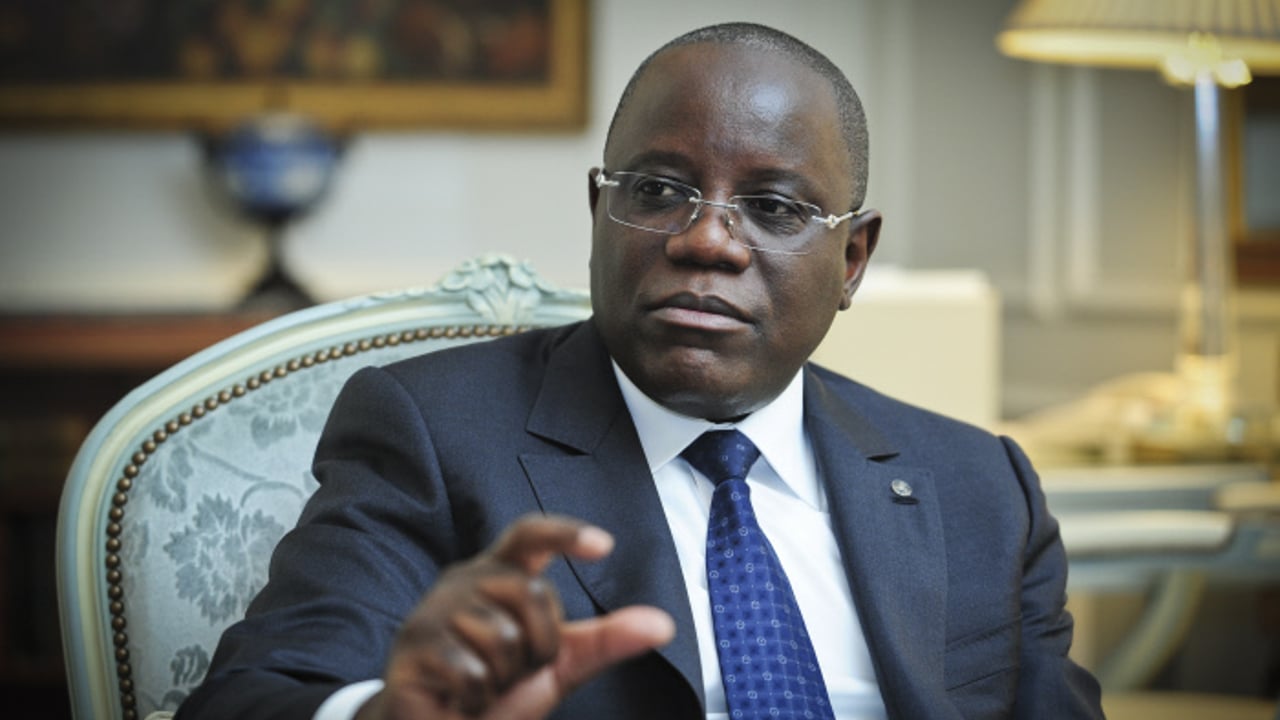
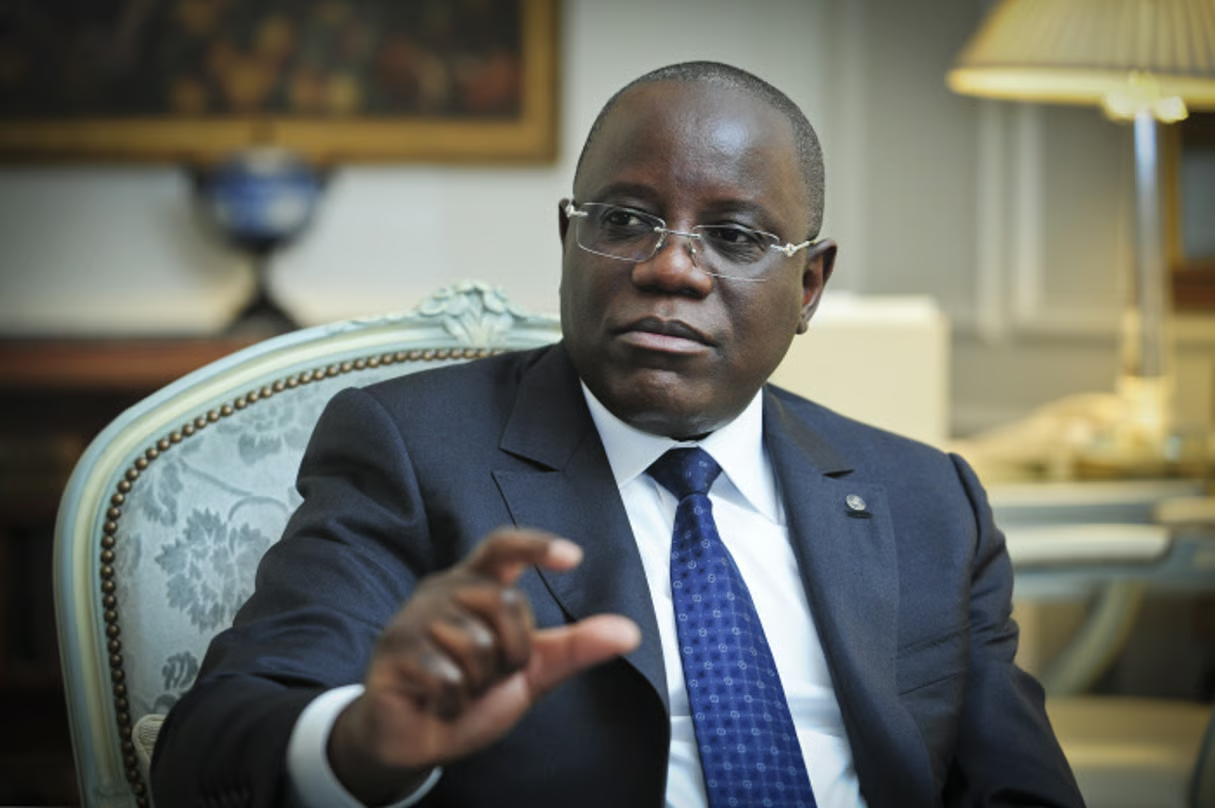
The enforced confinement of Aubin Minaku, Democratic Republic of Congo’s former PPRD heavyweight, has ignited a fierce debate in Kinshasa’s political circles. The unexpected move has sent shockwaves through the capital, raising urgent questions about the next steps for the country’s most influential power brokers.
From power player to restricted resident: Minaku’s controversial shift
Once a key architect of the PPRD’s strategies, Aubin Minaku now faces an unprecedented restriction on his freedom. His placement under monitored residence in Kinshasa marks a dramatic reversal of fortune for a figure who once held sway over national politics. The decision reveals deepening fissures within the ruling elite, signaling potential realignments in the Democratic Republic of Congo’s political landscape.
Observers describe the move as a strategic disruption rather than a mere administrative formality. The circumstances surrounding his confinement suggest broader implications for Kinshasa’s power dynamics, with whispers of internal power struggles growing louder by the hour.
Public reaction: support, skepticism, and the unanswered questions
The announcement of Minaku’s house arrest has triggered a wave of reactions across social platforms, with citizens and analysts dissecting every detail. Supporters argue that his confinement reflects a commitment to accountability, while critics view it as a targeted strike against a vocal opposition voice.
Key points emerging from the debate include:
- Accountability vs. persecution: Some believe the move aligns with efforts to curb corruption, while others see it as politically motivated.
- Impact on PPRD unity: The confinement raises concerns about fractures within the party, which has long dominated Congolese politics.
- Public sentiment: Mixed reactions highlight the polarized views on governance and authority in the Democratic Republic of Congo.
What’s next? The road ahead for Kinshasa’s elite
Minaku’s situation is reshaping the calculus for Kinshasa’s political players. The enforced calm of house arrest does little to quell the anticipation of what comes next—will this be a turning point for the PPRD, or a sign of deeper instability?
With eyes fixed on Kinshasa, the following scenarios are under scrutiny:
- Legal proceedings: Will formal charges emerge, or is this a prelude to broader purges within the party?
- Power vacuums: Could Minaku’s absence create opportunities for new alliances or rival factions?
- Public trust: How will this move affect perceptions of fairness and transparency in the Democratic Republic of Congo’s governance?
The coming days will be critical in determining whether Minaku’s confinement serves as a catalyst for change or a harbinger of prolonged uncertainty in one of Africa’s most complex political arenas.
Inside Kinshasa: voices from the capital
Residents and political insiders are grappling with the implications of Minaku’s situation. In cafes and corridors of power, conversations are dominated by speculation over the motives behind his confinement and its potential ripple effects.
One analyst noted, “This isn’t just about one man—it’s about the future of governance in the Democratic Republic of Congo. The next moves will reveal whether institutions are strong enough to withstand these pressures.”
Meanwhile, ordinary citizens express a mix of frustration and hope. “We need leaders who are held to account, but we also fear that this could be another distraction from the real issues our country faces,” shared a local resident.