The passing of a Camerounese political icon sparks national debate on legacy and leadership
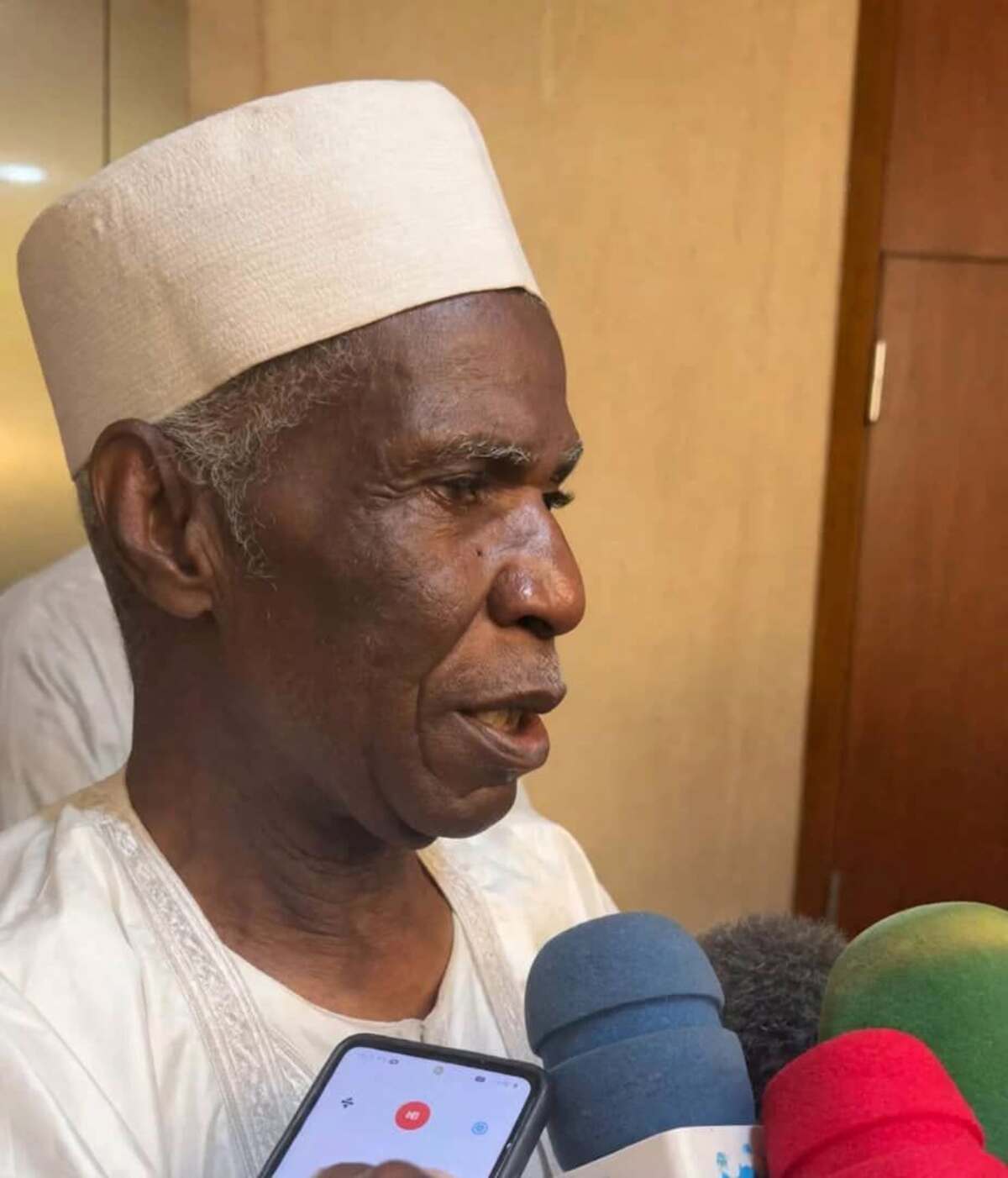
Cameroon is grappling with the loss of one of its most influential political figures, Hamadou Moustapha, who passed away on November 11, 2026, at the age of 81 in Yaoundé. His death has ignited discussions about the evolution of the country’s political landscape and the enduring impact of leaders who navigated Cameroon’s complex transitions.
A career spanning decades of Camerounese history
Born on May 11, 1945, in Maroua, within the Diamaré region, Moustapha’s professional journey began in public administration during the presidency of Ahmadou Ahidjo. His career trajectory reflects the shifting tides of Cameroonian governance, from serving as a vice-minister of Finance in 1975 to assuming the Urban Planning and Housing portfolio in 1979. During the pivotal presidential transition of November 6, 1982, he remained a key figure in the executive branch, though his tenure was interrupted in 1983 amid political realignments.
Following a decade-long hiatus from government, Moustapha re-emerged in the political arena during Cameroon’s transition to multiparty democracy. His role as vice-president of the National Union for Democracy and Progress (UNDP) and subsequent election as a deputy in the March 1992 legislative elections positioned him as a prominent opposition voice against the Cameroon People’s Democratic Movement (CPDM).
The controversial shift from opposition to government ally
The most defining—and contentious—chapter of Moustapha’s career unfolded on November 27, 1992, when he accepted the position of Vice Prime Minister in charge of Urban Planning and Housing. His alignment with the government sparked a rift within the UNDP, leading to his expulsion in January 1995. He later formed the National Alliance for Democracy and Progress (ANDP), aligning himself with President Paul Biya’s administration—a move that drew criticism from former allies but underscored the political system’s adaptability to co-opt influential figures.
Moustapha’s return to government in December 2004 as a minister charged with special missions further cemented his reputation as a survivor within Cameroon’s shifting political sands. His legacy, however, remains a subject of debate: Was he a strategic pragmatist who adapted to the times, or a symbol of a system that prioritized loyalty over ideological consistency?
Reflecting on a leader who shaped Cameroon’s political DNA
Moustapha’s career offers a microcosm of Cameroon’s political evolution—from the centralized rule of Ahidjo to the prolonged presidency of Biya. His ability to transition from opposition leader to government ally highlights the fluid nature of Camerounese politics, where allegiances are often secondary to institutional survival. While his public visibility waned in later years, his influence persisted behind the scenes, leaving an indelible mark on the nation’s governance.
As Cameroon prepares to move forward without Moustapha, the questions linger: How will his departure reshape the alliances that defined his era? And what lessons does his career hold for a new generation of political leaders in a country still navigating its democratic journey?